Kirjojen hintavertailu. Mukana 11 699 587 kirjaa ja 12 kauppaa.

Kirjahaku

Etsi kirjoja tekijän nimen, kirjan nimen tai ISBN:n perusteella.

4 kirjaa tekijältä Emran El-Badawi

The Qur'an and the Aramaic Gospel Traditions
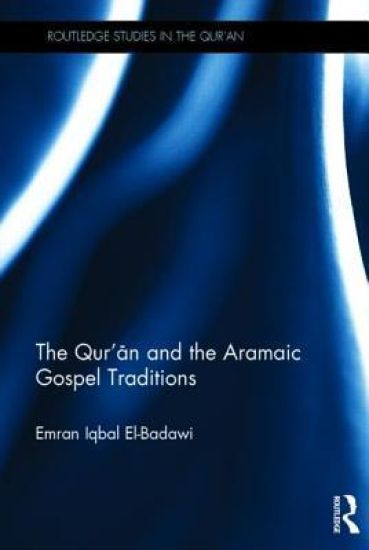
This book is a study of related passages found in the Arabic Qur’an and the Aramaic Gospels, i.e. the Gospels preserved in the Syriac and Christian Palestinian Aramaic dialects. It builds upon the work of traditional Muslim scholars, including al-Biqa‘i (d. ca. 808/1460) and al-Suyu?i (d. 911/1505), who wrote books examining connections between the Qur’an on the one hand, and Biblical passages and Aramaic terminology on the other, as well as modern western scholars, including Sidney Griffith who argue that pre-Islamic Arabs accessed the Bible in Aramaic.The Qur’an and the Aramaic Gospel Traditions examines the history of religious movements in the Middle East from 180-632 CE, explaining Islam as a response to the disunity of the Aramaic speaking churches. It then compares the Arabic text of the Qur’an and the Aramaic text of the Gospels under four main themes: the prophets; the clergy; the divine; and the apocalypse. Among the findings of this book are that the articulator as well as audience of the Qur’an were monotheistic in origin, probably bilingual, culturally sophisticated and accustomed to the theological debates that raged between the Aramaic speaking churches. Arguing that the Qur’an’s teachings and ethics echo Jewish-Christian conservatism, this book will be of interest to students and scholars of Religion, History, and Literature.
The Qur'an and the Aramaic Gospel Traditions
This book is a study of related passages found in the Arabic Qur’an and the Aramaic Gospels, i.e. the Gospels preserved in the Syriac and Christian Palestinian Aramaic dialects. It builds upon the work of traditional Muslim scholars, including al-Biqa‘i (d. ca. 808/1460) and al-Suyu?i (d. 911/1505), who wrote books examining connections between the Qur’an on the one hand, and Biblical passages and Aramaic terminology on the other, as well as modern western scholars, including Sidney Griffith who argue that pre-Islamic Arabs accessed the Bible in Aramaic.The Qur’an and the Aramaic Gospel Traditions examines the history of religious movements in the Middle East from 180-632 CE, explaining Islam as a response to the disunity of the Aramaic speaking churches. It then compares the Arabic text of the Qur’an and the Aramaic text of the Gospels under four main themes: the prophets; the clergy; the divine; and the apocalypse. Among the findings of this book are that the articulator as well as audience of the Qur’an were monotheistic in origin, probably bilingual, culturally sophisticated and accustomed to the theological debates that raged between the Aramaic speaking churches. Arguing that the Qur’an’s teachings and ethics echo Jewish-Christian conservatism, this book will be of interest to students and scholars of Religion, History, and Literature.
Female Divinity in the Qur’an

Female Divinity in the Qur’an

Emran El-Badawi

Springer International Publishing AG
2024
sidottu
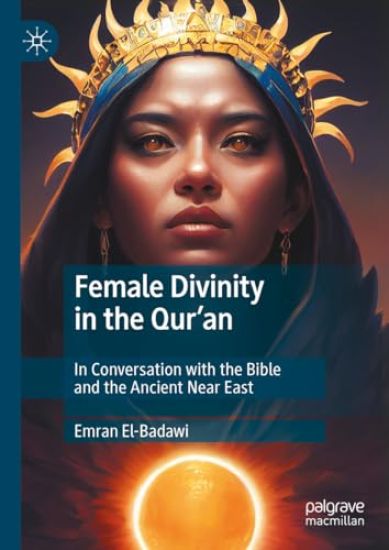
This is the first book to examine how pre-Islamic/Late Antique goddesses shaped the Qur’an, including its basic theology and cosmology. Exploring the traces found in the text of cultic veneration to goddesses of Arabia and the Ancient Near East, this book analyses what these traces tell us about female power in late antique Arabia, and how this power changed on the advent of Islam. While recent studies on the Qur’anic God have typically considered the question of divinity separately from gender, this book bridges the gap between these two questions, and is therefore an essential constructive mission. This mission adduces literary and documentary evidence—including recent scholarly revolutions in Syriac literature and Arabian epigraphy—and builds upon the critical insights of preceding studies in conversation with post-biblical and Near Eastern traditions.
Female Divinity in the Qur’an

Female Divinity in the Qur’an

Emran El-Badawi

Springer International Publishing AG
2025
nidottu
This is the first book to examine how pre-Islamic/Late Antique goddesses shaped the Qur'an, including its basic theology and cosmology. Exploring the traces found in the text of cultic veneration to goddesses of Arabia and the Ancient Near East, this book analyses what these traces tell us about female power in late antique Arabia, and how this power changed on the advent of Islam. While recent studies on the Qur'anic God have typically considered the question of divinity separately from gender, this book bridges the gap between these two questions, and is therefore an essential constructive mission. This mission adduces literary and documentary evidence--including recent scholarly revolutions in Syriac literature and Arabian epigraphy--and builds upon the critical insights of preceding studies in conversation with post-biblical and Near Eastern traditions.