Kirjojen hintavertailu. Mukana 11 244 527 kirjaa ja 12 kauppaa.

Kirjahaku

Etsi kirjoja tekijän nimen, kirjan nimen tai ISBN:n perusteella.

3 kirjaa tekijältä Eric A. Seibert

Enjoying the Old Testament – A Creative Guide to Encountering Scripture
ECPA Top Shelf Award Winner Is it really possible to enjoy the Old Testament? Christians know they are supposed to read the Old Testament. Yet many struggle to do so. They often find it confusing, theologically troubling, or just uninteresting. Eric Seibert understands this dilemma and provides a solution. His goal is to help people learn to love the Old Testament and actually want to read it. Seibert demonstrates how this part of the Bible is extremely valuable for Christians and offers dozens of practical suggestions and creative activities for hands-on interaction with the biblical text. Equipped with a variety of tools and approaches, readers discover how even the most seemingly dry passages can come to life. With Enjoying the Old Testament, readers of all ages will be inspired to pick up the Old Testament over and over again.
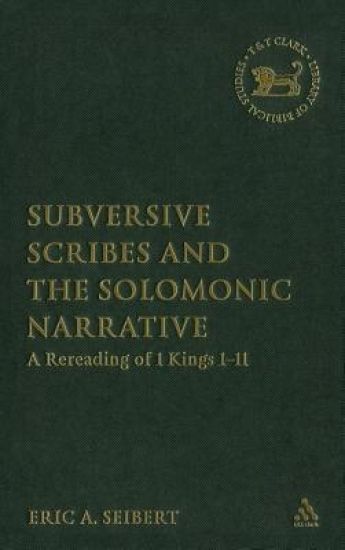
Subversive Scribes and the Solomonic Narrative
Subversive Scribes and the Solomonic Narrative considers 1 Kgs 1-11 through the optics of propaganda and subversion with primary attention given to subversive readings of portions of the Solomonic narrative. Seibert explores the social context in which scribal subversion was not only possible but perhaps even necessary and examines texts that covertly undermine the legitimacy or the legacy of Solomon. The book is divided into two parts. In the first, Seibert develops definitions of propaganda and subversion and notes other studies which have understood certain biblical texts to function in these ways. Primary consideration is given to developing a theory of subversive scribal activity in this section of the book. An important distinction is made between "submissive scribes," individuals who wrote what they were told, and "subversive scribes," individuals who did otherwise. Since many scribes were writing for the very people who paid them, those wanting to engage in subversive literary activity had to do so carefully, and to a certain extent covertly, lest they be detected and exposed. Yet their critique could not be so obscure that none could detect it. There needed to be enough clues to allow like-minded scribes to read the text and appreciate the critique, but not so many that opponents could charge such scribes with sedition. In the second part of the book, Seibert applies this theory of scribal subversion to various passages in 1 Kgs 1-11. An extended discussion is given to 1 Kgs 1-2 with the remainder of the Solomonic narrative being treated more episodically. The focus is on passages which look suspiciously like the work of a subversive scribe and/or which have subversive potential. It is argued that scribes could-and sometimes did-intentionally encode a critique of the king/kingship in the text and that one of the most effective ways they accomplished this was by cloaking scribal subversion in the guise of propaganda.
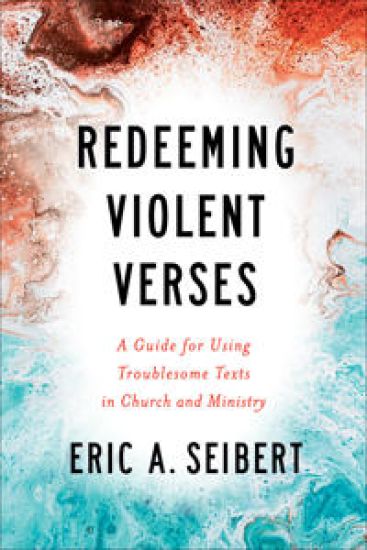
Redeeming Violent Verses

Redeeming Violent Verses

Eric A. Seibert

WESTMINSTER/JOHN KNOX PRESS,U.S.
2023
pokkari
“One the greatest challenges the church faces today,” writes Jerome F. D. Creach, “is to interpret and explain passages in the Bible that seem to promote or encourage violence” (Violence in Scripture, 1). In the past fifteen years, a number of books have been published to help people make sense of God’s violent behavior in the Bible. Yet very little has been written about how to use these (and other) violent texts constructively in church. This leaves religious practitioners—pastors, priests, Sunday school teachers, worship ministers, lay leaders, and others—at a real disadvantage. What should they do with stories that sanction genocide or praise individuals for killing others? How can they use these violent texts in sermons, liturgies, Christian educations classes, and elsewhere without promoting the violent ideologies they contain? In Redeeming Violent Verses, Eric Seibert addresses these questions by focusing on a wide range of practical ways to use violent biblical texts responsibly in the church and beyond. With chapters devoted to using violent verses when preaching sermons, teaching Sunday school, and leading worship, this book is filled with guidelines and specific practices designed to help ministers use violent verses responsibly. Seibert includes numerous examples to illustrate specific ways these verses could be used in ministry settings and pays special attention to dealing with passages that portray God behaving violently. Rather than ignoring these passages or being intimidated by them, Redeeming Violent Verses tackles troublesome texts head-on. It charts a bold path forward, one that opens up new possibilities for ministers by equipping them to use these texts in life-giving and spiritually edifying ways. Religious practitioners of all stripes will find this book immensely helpful, and readers will benefit greatly from the many strategies and suggestions offered here.