Kirjojen hintavertailu. Mukana 12 373 085 kirjaa ja 12 kauppaa.

Kirjahaku

Etsi kirjoja tekijän nimen, kirjan nimen tai ISBN:n perusteella.

15 kirjaa tekijältä Eric J. Evans

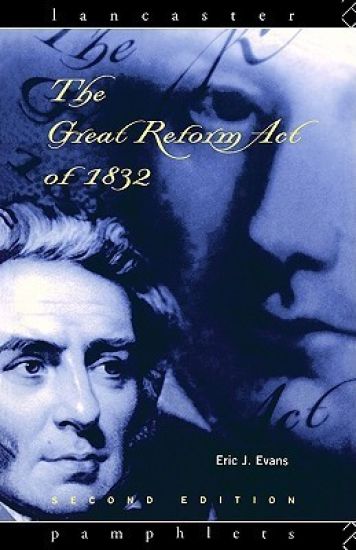
The Great Reform Act of 1832

The Great Reform Act of 1832

Eric J. Evans

Routledge
1994
nidottu
The 1832 Reform Act was a watershed in the history of modern Britain, profoundly affecting the composition of parliament and the course of all subsequent legislation.This new edition of The Great Reform Act of 1832 extends and updates Eric J. Evans's classic account of the crucial political and economic issues and:* highlights the travails of Toryism at the end of the 1820s* clarifies complex questions of policy* shows the connections between the Reform Act of 1832 and subsequent radical activity and reform legislation* presents revised electoral statistics.An accessible and stimulating guide to the student of modern political history, students of history and political history will find this invaluable to their studies.
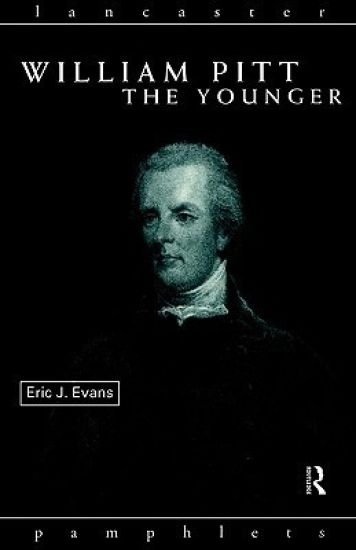
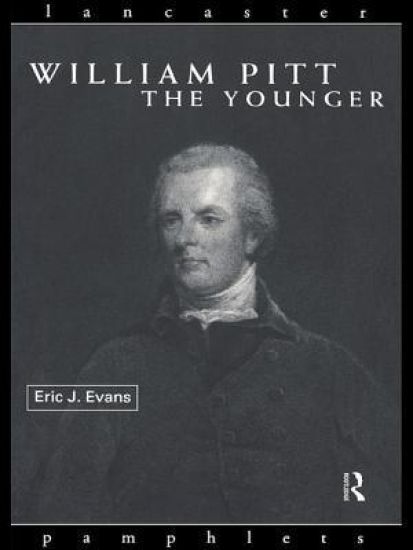
William Pitt the Younger

William Pitt the Younger

Eric J. Evans

Routledge
1999
nidottu
William Pitt the Younger re-examines Pitt's career in the light of recent research and emphasizes that it should not be stereotyped as having a `reformist' phase in the years to 1793 and a `reactionary' phase thereafter.His treatment includes explanation of:* Pitt's rapid rise to power* the importance of his relations with George III* contemporary party politics, including his own description of himself as an `independent Whig'* his administrative and financial reforms in the 1780s* his foreign policy and war strategy* his plans for assuring a satisfactory political union with Ireland and why they were frustrated.This volume by Eric J. Evans, includes a complete historical background to the leader's political career and analyses his achievements. The author outlines Pitt's economic, domestic and foreign policy as well as detailing the changes in party politics and monarchy during the period.
Sir Robert Peel

Sir Robert Peel

Eric J. Evans

Routledge
2006
nidottu
Sir Robert Peel provides an accessible and concise introduction to the life and career of one of the most political leaders of the nineteenth century. Perhaps best known for seeing through the Repeal of the Corn Laws, Peel had an enormous impact on political life of his age and beyond. Eric J. Evans reassesses Peel's career, arguing that although Peel's executive and administrative strengths were great, his arrogance, lack of empathy with the development of political parties and his inflexible commitment to economic liberalism presented political problems which he was incapable of solving.This expanded and fully revised second edition:fully engages with the extensive new historical work on Sir Robert Peel published since the first edition appeared fifteen years agoincludes a glossary of key terms plus an updated and expanded bibliography, including listing useful websites. Sir Robert Peel is the perfect introduction for all students of nineteenth-century history.
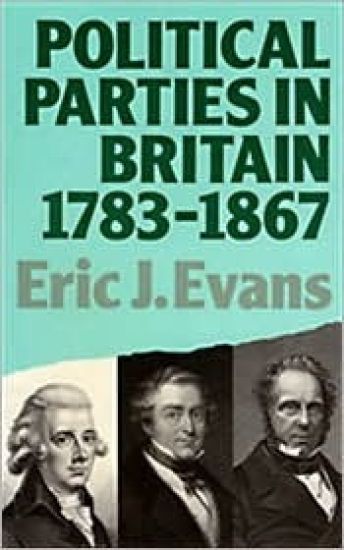
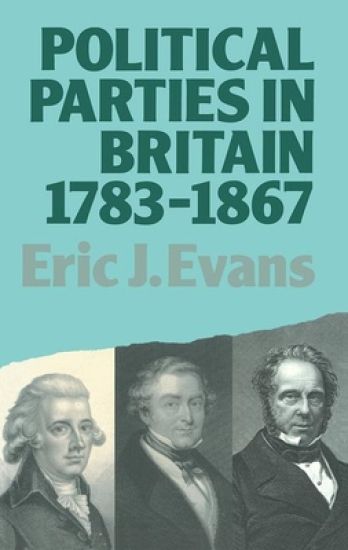
Political Parties in Britain 1783-1867
The theme of Professor Evan's book is the growth of a recognizable modern party system from the much looser and often family-based attachments of the eighteenth century. He examines the significance of the terms 'Whig' and 'Tory' in the later eighteenth century and the growth of a party aligment between 1788 and 1812 - a period in which war was a major factor in polarization. He discusses the years of Tory hegemony under Liverpool and the decline of the independent member, and then takes as his main themes the transition from Whigs to Liberals and from Tories to Conservatives in the period of 1830-46 which saw so much concern both with political reform and with social questions. He also examines the substantial growth of political organizations. Professor Evans goes on to deal with the paradox that though the Tory party was shattered by the corn law crisis, the subsequent period to 1867 saw an increasing importance being attached to party allegiance. He also discusses the waning power of the Crown, the growing importance of general elections, and various areas of divergence between parties. Although the emphasis of this book is necessarily thematic, a firm sense of chronology is always maintained.
Thatcher and Thatcherism

Thatcher and Thatcherism

Eric J. Evans

CRC Press Inc
2018
nidottu
This revised, expanded and updated fourth edition of Thatcher and Thatcherism examines the origins and impact of ‘Thatcherism’ both as a cultural construct and an economic creed from the 1970s to the formation of a coalition government in 2010. New to this edition is an extended exploration of Thatcher’s impact outside of the UK, as well as an examination of the assessments published following her death in 2013, providing students with a greater understanding of the legacy of Thatcherism within the modern political landscape.Focusing on the career of Margaret Thatcher, Eric J. Evans questions both the originality and the ideological coherence of what came to be called ‘Thatcherism’ and considers to what extent it met, or failed to meet, its main objectives. Key topics discussed within the book include: Privatisation policies and the attack on trade union power and influence; How Thatcher changed and controlled the late twentieth-century Conservative Party; The legacy of the Falklands War; Thatcher’s relations with Europe – East and West; Thatcher’s approach to the professional ethic; The influence of Thatcherism on succeeding governments: Major and ‘New Labour’; Neo-liberalism and its influence on, and under, Thatcher.With comprehensive suggestions for further reading and explanation of the economic, social and historical context of Britain in the late 1970s and 1980s, Thatcher and Thatcherism is an invaluable guide to the complexities and paradoxes of Britain from the late 1970s to the second decade of the twenty-first century.
Thatcher and Thatcherism

Thatcher and Thatcherism

Eric J. Evans

CRC Press Inc
2018
sidottu
This revised, expanded and updated fourth edition of Thatcher and Thatcherism examines the origins and impact of ‘Thatcherism’ both as a cultural construct and an economic creed from the 1970s to the formation of a coalition government in 2010. New to this edition is an extended exploration of Thatcher’s impact outside of the UK, as well as an examination of the assessments published following her death in 2013, providing students with a greater understanding of the legacy of Thatcherism within the modern political landscape.Focusing on the career of Margaret Thatcher, Eric J. Evans questions both the originality and the ideological coherence of what came to be called ‘Thatcherism’ and considers to what extent it met, or failed to meet, its main objectives. Key topics discussed within the book include: Privatisation policies and the attack on trade union power and influence; How Thatcher changed and controlled the late twentieth-century Conservative Party; The legacy of the Falklands War; Thatcher’s relations with Europe – East and West; Thatcher’s approach to the professional ethic; The influence of Thatcherism on succeeding governments: Major and ‘New Labour’; Neo-liberalism and its influence on, and under, Thatcher.With comprehensive suggestions for further reading and explanation of the economic, social and historical context of Britain in the late 1970s and 1980s, Thatcher and Thatcherism is an invaluable guide to the complexities and paradoxes of Britain from the late 1970s to the second decade of the twenty-first century.
The Great Reform Act of 1832

The Great Reform Act of 1832

Eric J. Evans

Routledge
2016
sidottu
The 1832 Reform Act was a watershed in the history of modern Britain, profoundly affecting the composition of parliament and the course of all subsequent legislation.This new edition of The Great Reform Act of 1832 extends and updates Eric J. Evans's classic account of the crucial political and economic issues and:* highlights the travails of Toryism at the end of the 1820s* clarifies complex questions of policy* shows the connections between the Reform Act of 1832 and subsequent radical activity and reform legislation* presents revised electoral statistics.An accessible and stimulating guide to the student of modern political history, students of history and political history will find this invaluable to their studies.
William Pitt the Younger

William Pitt the Younger

Eric J. Evans

Routledge
2015
sidottu
William Pitt the Younger re-examines Pitt's career in the light of recent research and emphasizes that it should not be stereotyped as having a `reformist' phase in the years to 1793 and a `reactionary' phase thereafter.His treatment includes explanation of:* Pitt's rapid rise to power* the importance of his relations with George III* contemporary party politics, including his own description of himself as an `independent Whig'* his administrative and financial reforms in the 1780s* his foreign policy and war strategy* his plans for assuring a satisfactory political union with Ireland and why they were frustrated.This volume by Eric J. Evans, includes a complete historical background to the leader's political career and analyses his achievements. The author outlines Pitt's economic, domestic and foreign policy as well as detailing the changes in party politics and monarchy during the period.
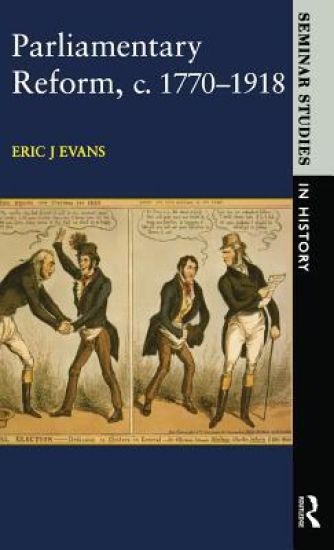
Parliamentary Reform in Britain, c. 1770-1918
Covers the momentous reforms in the British electoral system during the period from the Great Reform Act of 1832 to 1918 when women were given the vote. The study charts the series of Reform Acts right through the period, involving rather more attention to those important changes in the 1880s which are often underplayed.
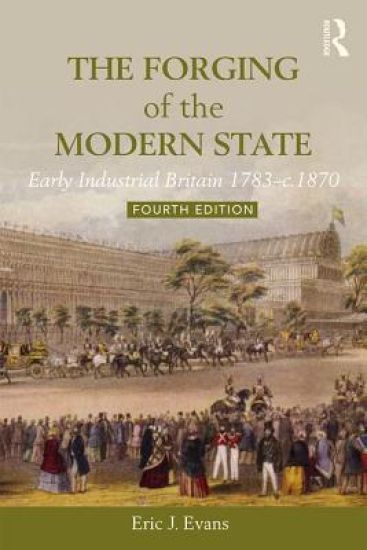
The Forging of the Modern State

The Forging of the Modern State

Eric J. Evans

Routledge
2018
nidottu
In what has established itself as a classic study of Britain from the late eighteenth century to the mid-Victorian period, Eric J. Evans explains how the country became the world’s first industrial nation. His book also explains how, and why, Britain was able to lay the foundations for what became the world’s largest empire. Over the period covered by this book, Britain became the world’s most powerful nation and arguably its first super-power.Economic opportunity and imperial expansion were accompanied by numerous domestic political crises which stopped short of revolution. The book ranges widely: across key political, diplomatic, social, cultural, economic and religious themes in order to convey the drama involved in a century of hectic, but generally constructive, change. Britain was still ruled by wealthy landowners in 1870 as it had been in 1783, yet the society over which they presided was unrecognisable. Victorian Britain had become an urban, industrial and commercial powerhouse.This fourth edition, coming more than fifteen years after its predecessor, has been completely revised and updated in the light of recent research. It engages more extensively with key themes, including gender, national identities and Britain’s relationship with its burgeoning empire. Containing illustrations, maps, an expanded ‘Framework of Events’ and an extensive ‘Compendium of Information’ on topics such as population change, cabinet membership and significant legislation, the book is essential reading for all students of this crucial period in British history.
The Forging of the Modern State

The Forging of the Modern State

Eric J. Evans

Routledge
2018
sidottu
In what has established itself as a classic study of Britain from the late eighteenth century to the mid-Victorian period, Eric J. Evans explains how the country became the world’s first industrial nation. His book also explains how, and why, Britain was able to lay the foundations for what became the world’s largest empire. Over the period covered by this book, Britain became the world’s most powerful nation and arguably its first super-power.Economic opportunity and imperial expansion were accompanied by numerous domestic political crises which stopped short of revolution. The book ranges widely: across key political, diplomatic, social, cultural, economic and religious themes in order to convey the drama involved in a century of hectic, but generally constructive, change. Britain was still ruled by wealthy landowners in 1870 as it had been in 1783, yet the society over which they presided was unrecognisable. Victorian Britain had become an urban, industrial and commercial powerhouse.This fourth edition, coming more than fifteen years after its predecessor, has been completely revised and updated in the light of recent research. It engages more extensively with key themes, including gender, national identities and Britain’s relationship with its burgeoning empire. Containing illustrations, maps, an expanded ‘Framework of Events’ and an extensive ‘Compendium of Information’ on topics such as population change, cabinet membership and significant legislation, the book is essential reading for all students of this crucial period in British history.
Political Parties in Britain 1783-1867
The theme of Professor Evan's book is the growth of a recognizable modern party system from the much looser and often family-based attachments of the eighteenth century. He examines the significance of the terms 'Whig' and 'Tory' in the later eighteenth century and the growth of a party aligment between 1788 and 1812 - a period in which war was a major factor in polarization. He discusses the years of Tory hegemony under Liverpool and the decline of the independent member, and then takes as his main themes the transition from Whigs to Liberals and from Tories to Conservatives in the period of 1830-46 which saw so much concern both with political reform and with social questions. He also examines the substantial growth of political organizations. Professor Evans goes on to deal with the paradox that though the Tory party was shattered by the corn law crisis, the subsequent period to 1867 saw an increasing importance being attached to party allegiance. He also discusses the waning power of the Crown, the growing importance of general elections, and various areas of divergence between parties. Although the emphasis of this book is necessarily thematic, a firm sense of chronology is always maintained.
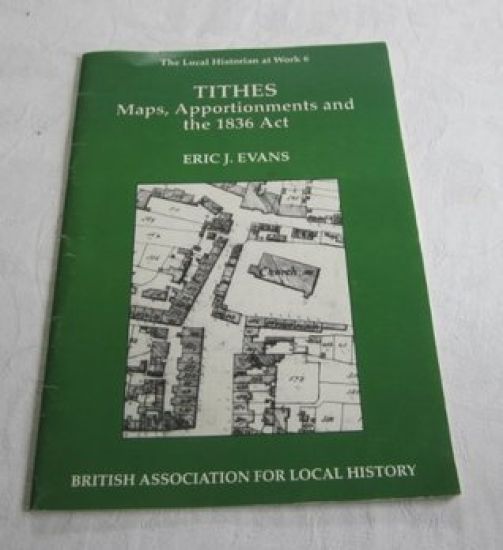
Routledge Revivals: The Contentious Tithe (1976)
First published in 1976, this book studies the impact of a uniquely unpopular tax on English rural communities. It examines the tithe system during a period when it was subject to mounting attack from political economists, agricultural improvers and radicals alike. Professor Evans has made extensive use of ecclesiastical and estate records to explain why the tithe issue became so unpopular at this time. He also studies in detail the work of the tithe commission, offering new evidence on the important question of how much the tithe system hindered agricultural improvement. This was in a period of considerable strain for the old village community, when tithe disputes significantly added to existing tensions and, particularly in the south of England, helped bring relations to crisis point.
Routledge Revivals: The Contentious Tithe (1976)
First published in 1976, this book studies the impact of a uniquely unpopular tax on English rural communities. It examines the tithe system during a period when it was subject to mounting attack from political economists, agricultural improvers and radicals alike. Professor Evans has made extensive use of ecclesiastical and estate records to explain why the tithe issue became so unpopular at this time. He also studies in detail the work of the tithe commission, offering new evidence on the important question of how much the tithe system hindered agricultural improvement. This was in a period of considerable strain for the old village community, when tithe disputes significantly added to existing tensions and, particularly in the south of England, helped bring relations to crisis point.