Kirjojen hintavertailu. Mukana 11 699 587 kirjaa ja 12 kauppaa.

Kirjahaku

Etsi kirjoja tekijän nimen, kirjan nimen tai ISBN:n perusteella.

12 kirjaa tekijältä Eric J. Wittenberg

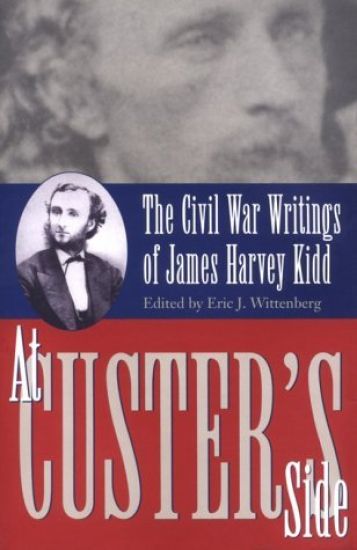
At Custer's Side

At Custer's Side

Eric J. Wittenberg

Kent State University Press
2001
sidottu
During the Civil War, James Harvey Kidd fought along side the General George Armstrong Custer as a member of the 6th Michigan Cavalry, the Wolverines. A student at the University of Michigan at the outbreak of the ear, Kidd enlisted in 1862 and was elected captain, commanding a company of Wolverines. Within two years he was promoted to colonel and took command of the regiment. In the fall of 1864, he succeeded Custer as commander of the Michigan Cavalry Brigade and eventually received a brevet to brigadier general of volunteers. After the war, Kidd served as brigadier general in the Michigan National Guard and, upon returning to his civilian career as a newspaperman, published two newspapers in his hometown of Ionia, Michigan. He also wrote a memoir of his service Personal Reminiscences of a Cavalryman in Custer's Michigan Brigade, a classic of Civil War literature. Eric J. Wittenberg presents many of this newspaperman?s captivating writings in their original form in At Custer's Side: The Civil War Writings of James Harvey Kidd, Kidd wrote eloquently about his Civil War experiences, especially his service with Customer. His speech given at the dedication of the Customer monument in Monroe, Michigan, is particularly important, as it provides readers with one of the first revisionist views of the tragedy that befell Custer at Little Big Horn. Much like Wittenberg's first book of Kidd's writings, One of Custer's Wolverines: The Civil War Letters of Brevet Brigadier General James H. Kidd, 6th Michigan Cavalry (Kent State University Press, 2000), this latest collection offers insightful, articulate, and entertaining commentary on what it ws like to serve in the Civil War and with "the boy general".
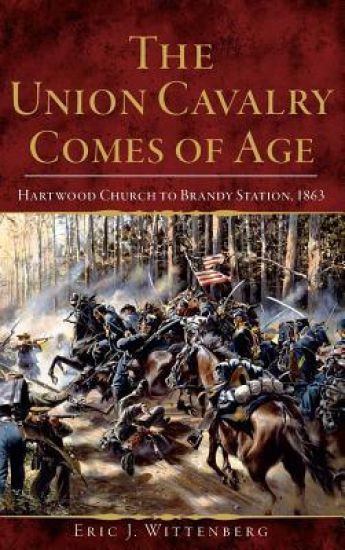
The Union Cavalry Comes of Age: Hartwood Church to Brandy Station, 1863

The Union Cavalry Comes of Age: Hartwood Church to Brandy Station, 1863

Eric J. Wittenberg

History Press Library Editions
2017
sidottu
The Army of the Potomac s mounted units suffered early in the Civil War at the hands of the horsemen of the South. However, by 1863, the Federal cavalry had evolved into a fighting machine. Despite the numerous challenges occupying officers and politicians, as well as the harrowing existence of troopers in the field, the Northern cavalry helped turn the tide of war much earlier than is generally acknowledged. It became the largest, best-mounted, and best-equipped force of horse soldiers the world had ever seen. Further, the 1863 consolidation of numerous scattered Federal units created a force to be reckoned with a single corps ten thousand strong. Award-winning cavalry historian Eric J. Wittenberg chronicles this story, debunking persistent myths that have elevated the Confederate cavaliers over their Union counterparts."
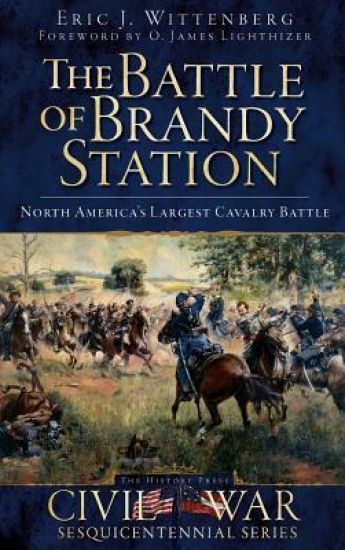
The Battle of Brandy Station: North America's Largest Cavalry Battle

The Battle of Brandy Station: North America's Largest Cavalry Battle

Eric J. Wittenberg

History Press Library Editions
2010
sidottu
Just before dawn on June 9, 1863, Union soldiers materialized from a thick fog near the banks of Virginia's Rappahannock River to ambush sleeping Confederates. The ensuing struggle, which lasted throughout the day, was to be known as the Battle of Brandy Station--the largest cavalry battle ever fought on North American soil. Meticulously captured by historian Eric J. Wittenberg, these events marked a major turning point in the Civil War: the waning era of Confederate cavalry dominance in the East gave way to a confident and powerful Union mounted arm. This fascinating volume features a GPS guided tour of the battlefield with illustrations and maps by master cartographer Steven Stanley.
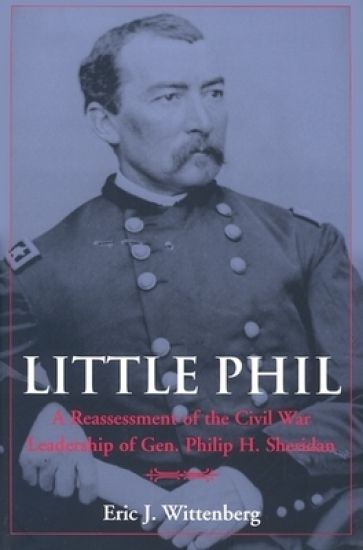
Little Phil

Little Phil

Eric J. Wittenberg

Potomac Books Inc
2002
sidottu
Unlike Gen. Ulysses S. Grant and Gen. William T. Sherman, whose controversial Civil War-era reputations persist today, Maj. Gen. Philip H. Sheridan has been largely untouched by controversy. In Little Phil, historian Eric J. Wittenberg reassesses the war record of a man long considered one of the Union Army's greatest generals. From his earliest days at West Point, Phil Sheridan refused to play by the rules. He was fortunate to receive merely a suspension, rather than expulsion, when as a cadet he charged a superior officer with a bayonet. Although he achieved fame as a cavalryman late in the Civil War, Sheridan actually began the conflict as an infantry commander and initially knew little of the mounted service. In his first effort as a cavalry commander with the Army of the Potomac in the spring of 1864, he gave a performance that Wittenberg argues has long been overrated. Later that year in the Shenandoah Valley, where Sheridan secured his legendary reputation, he benefited greatly from the tactical ability of his subordinates and from his huge manpower advantage against the beleaguered Confederate troops of Lt. Gen. Jubal Early. Sheridan was ultimately rewarded for numerous acts of insubordination against his superiors throughout the war, while he punished similar traits in his own officers. Further, in his combat reports and postwar writings, he often manipulated facts to show himself in the best possible light, ensuring an exalted place in history. Thus, Sheridan successfully foisted his own version of history on the American public. This controversial new study challenges the existing literature on Phil Sheridan and adds valuable insight to our understanding of this famous, but altogether fallible, warrior.
Little Phil

Little Phil

Eric J. Wittenberg

Potomac Books Inc
2005
pokkari
Unlike Gen. Ulysses S. Grant and Gen. William T. Sherman, whose controversial Civil War-era reputations persist today, Maj. Gen. Philip H. Sheridan has been largely untouched by controversy. In Little Phil, historian Eric J. Wittenberg reassesses the war record of a man long considered one of the Union Army's greatest generals. From his earliest days at West Point, Phil Sheridan refused to play by the rules. He was fortunate to receive merely a suspension, rather than expulsion, when as a cadet he charged a superior officer with a bayonet. Although he achieved fame as a cavalryman late in the Civil War, Sheridan actually began the conflict as an infantry commander and initially knew little of the mounted service. In his first effort as a cavalry commander with the Army of the Potomac in the spring of 1864, he gave a performance that Wittenberg argues has long been overrated. Later that year in the Shenandoah Valley, where Sheridan secured his legendary reputation, he benefited greatly from the tactical ability of his subordinates and from his huge manpower advantage against the beleaguered Confederate troops of Lt. Gen. Jubal Early. Sheridan was ultimately rewarded for numerous acts of insubordination against his superiors throughout the war, while he punished similar traits in his own officers. Further, in his combat reports and postwar writings, he often manipulated facts to show himself in the best possible light, ensuring an exalted place in history. Thus, Sheridan successfully foisted his own version of history on the American public. This controversial new study challenges the existing literature on Phil Sheridan and adds valuable insight to our understanding of this famous, but altogether fallible, warrior.
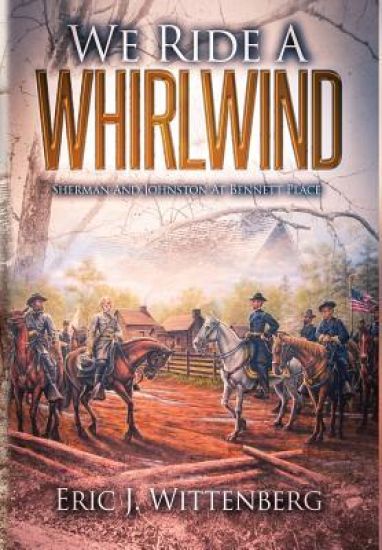
We Ride a Whirlwind: Sherman and Johnston at Bennett Place
The events at Appomattox Court House in Virginia on April 9, 1865 have long been considered the end of the Civil War. However, there were still Confederate armies in the field. Maj. Gen. William T. Sherman, commander of the Union armies operating in North Carolina, still faced a 31,000 man Confederate army commanded by Gen. Joseph E. Johnston. In addition, another 60,000 Confederate soldiers remained under arms east of the Mississippi River. Johnston's army inflicted heavy losses on Sherman's forces at the Battle of Bentonville in March 1865, but was nearly captured when its escape route was nearly blocked by Sherman's much larger army. Instead of pursuing Johnston, whose troops escaped to Smithfield, North Carolina, Sherman instead marched to Goldsboro, where his army was reinforced and spent two weeks resting and refitting. Unlike Lee's army, which was surrounded at Appomattox and compelled to surrender, Johnston's army was not surrounded and had a substantial head start on Sherman, who would face hard marches and possibly another bloody battle before he could compel Johnston to surrender. When Sherman learned that the Army of the Potomac had captured Richmond and caused Lee's army to flee toward Danville, on the Virginia/North Carolina state line, he set his army in motion. By the time it reached Smithfield on April 12, Johnston had fallen back to Raleigh. Sherman pursued, prompting Johnston to evacuate Raleigh. But then word arrived of Lee's surrender--an event that changed everything. Johnston, realizing that there was no further reason to flee in an attempt to link up with Lee's army, asked Sherman to meet with him to discuss terms of surrender. Then came word of the assassination of Abraham Lincoln, an event that prompted Johnston to say that with the death of the President of the United States, the South had lost its best friend. This set the stage for the dramatic events that occurred at James Bennett's farm in modern-day Durham. In three remarkable meetings, Sherman and Johnston tried to not only set the terms for the surrender of the 91,000 Confederate troops east of the Mississippi River, but to make peace, once and for all. The new administration of President Andrew Johnson, eager for vengeance for the assassination of Lincoln, rejected the terms negotiated by Sherman and Johnston, excoriated Sherman in the press, and forced him to threaten Johnston with the renewal of hostilities if he did not surrender upon the same terms offered to Lee at Appomattox. Johnston wisely accepted those terms, leading to the surrender of his command and those other Confederates east of the Mississippi. This is the story of those events, told in detail, and often in the words of the participants themselves. Author Eric J. Wittenberg has masterfully told this compelling story. Numerous photographs and maps accompany the narrative describing the end of the great American tragedy of the Civil War.
We Ride a Whirlwind: Sherman and Johnston at Bennett Place
The events at Appomattox Court House in Virginia on April 9, 1865 have long been considered the end of the Civil War. However, there were still Confederate armies in the field. Maj. Gen. William T. Sherman, commander of the Union armies operating in North Carolina, still faced a 31,000 man Confederate army commanded by Gen. Joseph E. Johnston. In addition, another 60,000 Confederate soldiers remained under arms east of the Mississippi River. Johnston's army inflicted heavy losses on Sherman's forces at the Battle of Bentonville in March 1865, but was nearly captured when its escape route was nearly blocked by Sherman's much larger army. Instead of pursuing Johnston, whose troops escaped to Smithfield, North Carolina, Sherman instead marched to Goldsboro, where his army was reinforced and spent two weeks resting and refitting. Unlike Lee's army, which was surrounded at Appomattox and compelled to surrender, Johnston's army was not surrounded and had a substantial head start on Sherman, who would face hard marches and possibly another bloody battle before he could compel Johnston to surrender. When Sherman learned that the Army of the Potomac had captured Richmond and caused Lee's army to flee toward Danville, on the Virginia/North Carolina state line, he set his army in motion. By the time it reached Smithfield on April 12, Johnston had fallen back to Raleigh. Sherman pursued, prompting Johnston to evacuate Raleigh. But then word arrived of Lee's surrender--an event that changed everything. Johnston, realizing that there was no further reason to flee in an attempt to link up with Lee's army, asked Sherman to meet with him to discuss terms of surrender. Then came word of the assassination of Abraham Lincoln, an event that prompted Johnston to say that with the death of the President of the United States, the South had lost its best friend. This set the stage for the dramatic events that occurred at James Bennett's farm in modern-day Durham. In three remarkable meetings, Sherman and Johnston tried to not only set the terms for the surrender of the 91,000 Confederate troops east of the Mississippi River, but to make peace, once and for all. The new administration of President Andrew Johnson, eager for vengeance for the assassination of Lincoln, rejected the terms negotiated by Sherman and Johnston, excoriated Sherman in the press, and forced him to threaten Johnston with the renewal of hostilities if he did not surrender upon the same terms offered to Lee at Appomattox. Johnston wisely accepted those terms, leading to the surrender of his command and those other Confederates east of the Mississippi. This is the story of those events, told in detail, and often in the words of the participants themselves. Author Eric J. Wittenberg has masterfully told this compelling story. Numerous photographs and maps accompany the narrative describing the end of the great American tragedy of the Civil War.
Five or Ten Minutes of Blind Confusion: The Battle of Aiken, South Carolina, February 11, 1865
One of the few Confederate battlefield victories in the dark days of 1865 occurred at Aiken, South Carolina, on February 11, 1865. Aiken itself had little strategic significance to either side; Union Maj. Gen. William T. Sherman had intended to by-pass the small resort town. Sherman intended that his cavalry commander, Maj. Gen. Judson Kilpatrick head off in the direction of Augusta, Georgia to confuse the Confederates of his true target, Columbia, the capital of South Carolina. Since the Civil War began in South Carolina, both Sherman and the men of his army were eager to punish its population. Maj. Gen. Joseph Wheeler, the commander of the Confederate cavalry forces, had another idea. Aiken is approximately 13 miles from Augusta, Georgia and the largest gunpowder works in the Confederacy. Wheeler feared that Kilpatrick intended to destroy the powder works, which were critical to the continued military viability of the Confederate armies. On February 11, 1865, Wheeler set an ambush and drew the Union cavalry into his trap at Aiken, then pounced with nearly 3,000 Confederate horse soldiers. The urban street fighting was short and brutal. Kilpatrick himself was nearly captured, and only hard fighting by his troopers saved his command, which was able to extract itself from Wheeler's trap. Wheeler followed, and a full day of combat ended with one of the final Confederate battlefield victories of the Civil War. It was a tactical victory for Wheeler, but a strategic disaster for the Confederacy. Wheeler's stand made the defense of Columbia untenable, and just six days later, Columbia fell. Nearly the entire downtown was burned in a great conflagration, and the Palmetto State suffered. In Five or Ten Minutes of Blind Confusion: The Battle of Aiken, South Carolina, February 11, 1865, award-winning Civil War cavalry historian Eric J. Wittenberg tells the story of the Battle of Aiken in both tactical and strategic detail for the first time. Readers will learn of the near disaster that befell the Union troopers, and how Wheeler's move was actually a strategic debacle. Featuring five fine maps by a master cartographer and approximately 50 illustrations, this book fills an important gap in the body of literature addressing Sherman's 1865 Carolinas Campaign. It marks Wittenberg's third book on aspects of the Civil War in the Carolinas in 1865.
Five or Ten Minutes of Blind Confusion: The Battle of Aiken, South Carolina, February 11, 1865
One of the few Confederate battlefield victories in the dark days of 1865 occurred at Aiken, South Carolina, on February 11, 1865. Aiken itself had little strategic significance to either side; Union Maj. Gen. William T. Sherman had intended to by-pass the small resort town. Sherman intended that his cavalry commander, Maj. Gen. Judson Kilpatrick head off in the direction of Augusta, Georgia to confuse the Confederates of his true target, Columbia, the capital of South Carolina. Since the Civil War began in South Carolina, both Sherman and the men of his army were eager to punish its population. Maj. Gen. Joseph Wheeler, the commander of the Confederate cavalry forces, had another idea. Aiken is approximately 13 miles from Augusta, Georgia and the largest gunpowder works in the Confederacy. Wheeler feared that Kilpatrick intended to destroy the powder works, which were critical to the continued military viability of the Confederate armies. On February 11, 1865, Wheeler set an ambush and drew the Union cavalry into his trap at Aiken, then pounced with nearly 3,000 Confederate horse soldiers. The urban street fighting was short and brutal. Kilpatrick himself was nearly captured, and only hard fighting by his troopers saved his command, which was able to extract itself from Wheeler's trap. Wheeler followed, and a full day of combat ended with one of the final Confederate battlefield victories of the Civil War. It was a tactical victory for Wheeler, but a strategic disaster for the Confederacy. Wheeler's stand made the defense of Columbia untenable, and just six days later, Columbia fell. Nearly the entire downtown was burned in a great conflagration, and the Palmetto State suffered. In Five or Ten Minutes of Blind Confusion: The Battle of Aiken, South Carolina, February 11, 1865, award-winning Civil War cavalry historian Eric J. Wittenberg tells the story of the Battle of Aiken in both tactical and strategic detail for the first time. Readers will learn of the near disaster that befell the Union troopers, and how Wheeler's move was actually a strategic debacle. Featuring five fine maps by a master cartographer and approximately 50 illustrations, this book fills an important gap in the body of literature addressing Sherman's 1865 Carolinas Campaign. It marks Wittenberg's third book on aspects of the Civil War in the Carolinas in 1865.
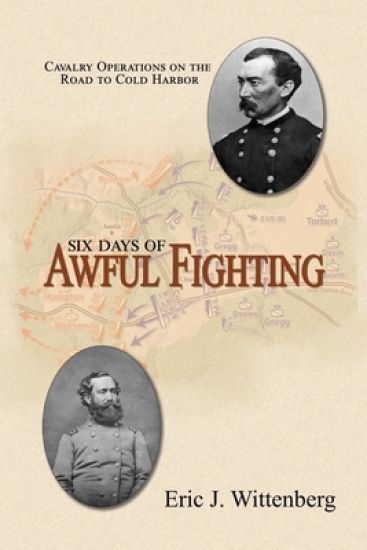
Six Days of Awful Fighting: Cavalry Operations on the Road to Cold Harbor
Most students of the American Civil War know about the terrible fighting that occurred at Cold Harbor in Hanover County, Virginia, from June 1-3, 1864. However, few know about the severe cavalry fighting leading up to the battle of Cold Harbor. From May 27 to June 1, the Cavalry Corps of the Army of the Potomac and the Cavalry Corps of the Army of Northern Virginia slugged it out at places like Hanovertown, Haw's Shop, Matadequin Creek, Hanover Court House, Ashland, and, finally, Cold Harbor itself, setting the stage for the well-known infantry battle that broke out on the afternoon of June 1, 1864.One cannot truly understand how the battle of Cold Harbor played out unless one also understands how the armies got there. This book brings the armies to the battle of Cold Harbor. The May 28, 1864, battle of Haw's Shop was considered the harshest cavalry battle of the war to date; but, it was eclipsed two weeks later by the battle of Trevilian Station. Haw's Shop marked Maj. Gen. Wade Hampton's emergence as the new commander of the Army of Northern Virginia's Cavalry Corps in the wake of the death of the lamented cavalry chief, Maj. Gen. J. E. B. Stuart, 16 days earlier.This is the first monograph dedicated to telling the story of these largely overlooked cavalry battles. Familiar characters such as Philip H. Sheridan, Fitzhugh Lee, George A. Custer, and David M. Gregg play significant roles in these battles. So, too, do lesser-known participants. Approximately 70 photographs and 25 maps grace this book's pages.
Six Days of Awful Fighting: Cavalry Operations on the Road to Cold Harbor
Most students of the American Civil War know about the terrible fighting that occurred at Cold Harbor in Hanover County, Virginia, from June 1-3, 1864. However, few know about the severe cavalry fighting leading up to the battle of Cold Harbor. From May 27 to June 1, the Cavalry Corps of the Army of the Potomac and the Cavalry Corps of the Army of Northern Virginia slugged it out at places like Hanovertown, Haw's Shop, Matadequin Creek, Hanover Court House, Ashland, and, finally, Cold Harbor itself, setting the stage for the well-known infantry battle that broke out on the afternoon of June 1, 1864.One cannot truly understand how the battle of Cold Harbor played out unless one also understands how the armies got there. This book brings the armies to the battle of Cold Harbor. The May 28, 1864, battle of Haw's Shop was considered the harshest cavalry battle of the war to date; but, it was eclipsed two weeks later by the battle of Trevilian Station. Haw's Shop marked Maj. Gen. Wade Hampton's emergence as the new commander of the Army of Northern Virginia's Cavalry Corps in the wake of the death of the lamented cavalry chief, Maj. Gen. J. E. B. Stuart, 16 days earlier.This is the first monograph dedicated to telling the story of these largely overlooked cavalry battles. Familiar characters such as Philip H. Sheridan, Fitzhugh Lee, George A. Custer, and David M. Gregg play significant roles in these battles. So, too, do lesser-known participants. Approximately 70 photographs and 25 maps grace this book's pages.
A Michigan Cavalryman: The Life and Untimely Death of Major Noah Henry Ferry, Fifth Michigan Cavalry
Noah Ferry was one of the wealthiest and most influential men in Michigan. Major Ferry and his men were only in their second major combat on July 3, 1863, where his life ended abruptly. In this well-crafted, well-researched biography of Maj. Noah H. Ferry, multi-talented and prolific military author Eric J. Wittenberg presents the compelling tale of Ferry's life, legacy, and military experience. We learn about Ferry's family legacy, uncanny business and leadership abilities, and finally his rise in rank from captain of a company of cavalry to a charismatic major destined to sacrifice his life in a heretofore obscure farm field in Gettysburg.