Kirjojen hintavertailu. Mukana 11 873 987 kirjaa ja 12 kauppaa.

Kirjahaku

Etsi kirjoja tekijän nimen, kirjan nimen tai ISBN:n perusteella.

2 kirjaa tekijältä Erica Moretti

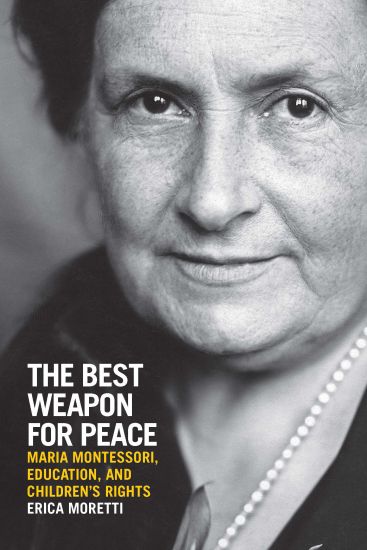
The Best Weapon for Peace

The Best Weapon for Peace

Erica Moretti

University of Wisconsin Press
2021
sidottu
The Italian educator and physician Maria Montessori (1870-1952) is best known for the teaching method that bears her name. She was also a lifelong pacifist, although historians tend to consider her writings on this topic as secondary to her pedagogy. In The Best Weapon for Peace, Erica Moretti reframes Montessori's pacifism as the foundation for her educational activism, emphasizing her vision of the classroom as a gateway to reshaping society. Montessori education offers a child-centered learning environment that cultivates students' development as peaceful, curious, and resilient adults opposed to war and invested in societal reform. Using newly discovered primary sources, Moretti examines Montessori's lifelong pacifist work, including her ultimately unsuccessful push for the creation of the White Cross, a humanitarian organization for war-affected children. Moretti shows that Montessori's educational theories and practices would come to define chilren's rights once adopted by influential international organizations, including the United Nations. She uncovers the significance of Montessori's evolving philosophy of peace and early childhood education within broader conversations about internationalism and humanitarianism.
The Best Weapon for Peace

The Best Weapon for Peace

Erica Moretti

UNIVERSITY OF WISCONSIN PRESS
2022
nidottu
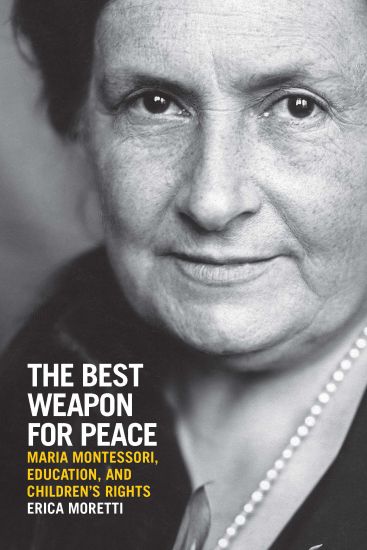
The Italian educator and physician Maria Montessori (1870–1952) is best known for the teaching method that bears her name. She was also a lifelong pacifist, although historians tend to consider her writings on this topic as secondary to her pedagogy. In The Best Weapon for Peace, Erica Moretti reframes Montessori’s pacifism as the foundation for her educational activism, emphasizing her vision of the classroom as a gateway to reshaping society. Montessori education offers a child-centered learning environment that cultivates students’ development as peaceful, curious, and resilient adults opposed to war and invested in societal reform. Using newly discovered primary sources, Moretti examines Montessori’s lifelong pacifist work, including her ultimately unsuccessful push for the creation of the White Cross, a humanitarian organization for war-affected children. Moretti shows that Montessori’s educational theories and practices would come to define children’s rights once adopted by influential international organizations, including the United Nations. She uncovers the significance of Montessori’s evolving philosophy of peace and early childhood education within broader conversations about internationalism and humanitarianism.