Kirjojen hintavertailu. Mukana 11 504 075 kirjaa ja 12 kauppaa.

Kirjahaku

Etsi kirjoja tekijän nimen, kirjan nimen tai ISBN:n perusteella.

3 kirjaa tekijältä Erinn Gilson

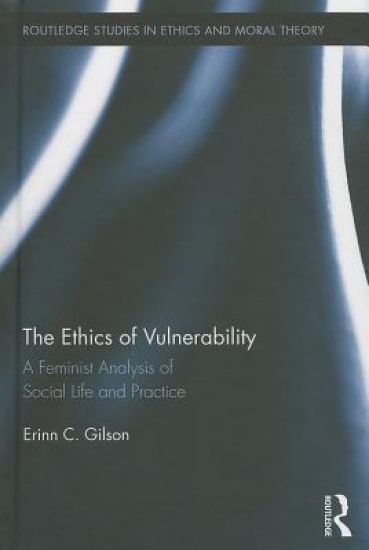
The Ethics of Vulnerability

The Ethics of Vulnerability

Erinn Gilson

Routledge
2014
sidottu
As concerns about violence, war, terrorism, sexuality, and embodiment have garnered attention in philosophy, the concept of vulnerability has become a shared reference point in these discussions. As a fundamental part of the human condition, vulnerability has significant ethical import: how one responds to vulnerability matters, whom one conceives as vulnerable and which criteria are used to make such demarcations matters, how one deals with one’s own vulnerability matters, and how one understands the meaning of vulnerability matters. Yet, the meaning of vulnerability is commonly taken for granted and it is assumed that vulnerability is almost exclusively negative, equated with weakness, dependency, powerlessness, deficiency, and passivity. This reductively negative view leads to problematic implications, imperiling ethical responsiveness to vulnerability, and so prevents the concept from possessing the normative value many theorists wish it to have. When vulnerability is regarded as weakness and, concomitantly, invulnerability is prized, attentiveness to one’s own vulnerability and ethical response to vulnerable others remain out of reach goals. Thus, this book critiques the ideal of invulnerability, analyzes the problems that arise from a negative view of vulnerability, and articulates in its stead a non-dualistic concept of vulnerability that can remedy these problems.
The Ethics of Vulnerability

The Ethics of Vulnerability

Erinn Gilson

Routledge
2016
nidottu
As concerns about violence, war, terrorism, sexuality, and embodiment have garnered attention in philosophy, the concept of vulnerability has become a shared reference point in these discussions. As a fundamental part of the human condition, vulnerability has significant ethical import: how one responds to vulnerability matters, whom one conceives as vulnerable and which criteria are used to make such demarcations matters, how one deals with one’s own vulnerability matters, and how one understands the meaning of vulnerability matters. Yet, the meaning of vulnerability is commonly taken for granted and it is assumed that vulnerability is almost exclusively negative, equated with weakness, dependency, powerlessness, deficiency, and passivity. This reductively negative view leads to problematic implications, imperiling ethical responsiveness to vulnerability, and so prevents the concept from possessing the normative value many theorists wish it to have. When vulnerability is regarded as weakness and, concomitantly, invulnerability is prized, attentiveness to one’s own vulnerability and ethical response to vulnerable others remain out of reach goals. Thus, this book critiques the ideal of invulnerability, analyzes the problems that arise from a negative view of vulnerability, and articulates in its stead a non-dualistic concept of vulnerability that can remedy these problems.

Vulnerability

Vulnerability

Erinn Gilson

AGENDA PUBLISHING
2026
nidottu
Vulnerability has become a focal point in myriad scholarly and applied fields as well as a touchstone in popular culture and discourse. Vulnerability defines our condition as human beings – our openness to being affected by others, our susceptibility to injury, our mortality, our uncertainty. Vulnerability underlies how we think, feel, and exist. To be alive is simply to be vulnerable. Negotiations with our own vulnerability and that of others shape our ways of life, both individual and sociopolitical. And we live at a time when a sense of vulnerability to harm is omnipresent, not just from physical conflict, but from misogynist and racist violence, environmental catastrophe, global pandemics, and unabated climate change. Vulnerability is also a precondition for caring about and for others. Categorizing people as “vulnerable” or "at risk" determines much of our social welfare and healthcare policies, as well as society's conception of what it is to be a mature, capable adult human. Erinn Gilson takes a philosophical lens to vulnerability and explores its meaning and significance, seeking to illuminate some of its complexity as an experience and condition. In particular, she considers how we might approach situations of significant vulnerability to harm differently by holding onto a more expansive sense of what vulnerability is and means.