
Kirjahaku
Etsi kirjoja tekijän nimen, kirjan nimen tai ISBN:n perusteella.
22 kirjaa tekijältä Ernst Wolff

Emmanuel Lévinas est le philosophe de la non-indifférence; il n’est en aucune sorte un philosophe indifférent. Son inquiétude personnelle et engagement politique ont trouvé une expression philosophique dans une quête à deux versants. Dans le versant ontologique, il cherche à montrer que même si l’homme est l’événement de compréhension de l’être, tout l’homme et toute signification ne se réduisent pas à la compréhension de l’être seul. Dans le versant politique, il s’interroge sur la possibilité de soumettre la tendance totalitaire de toute politique à une recherche de justice qui ne dépend pas finalement de la politique même. Mais ces deux versants n’en font qu’un. La découverte d’une signification qui excède la compréhension de l’être – l’éthique – fournit en même temps la source de renouvellement de la justice. Ainsi, par cette double question, Lévinas nous présente les fils conducteurs de notre enquête: une signification au-delà de la compréhension de l’être et sa portée éthique, que nous appelons «langage» et que nous explorons dans la perspective de son importance politique. Les études analytiques dans lesquelles les notions de politique et de langage fonctionnent comme clef d’interprétation mutuelle débouchent sur une critique centrée sur deux problèmes: l’impossibilité d’interpréter la signifiance de l’autre et le danger inhérent à la conception d’une justice dépassant l’Etat.
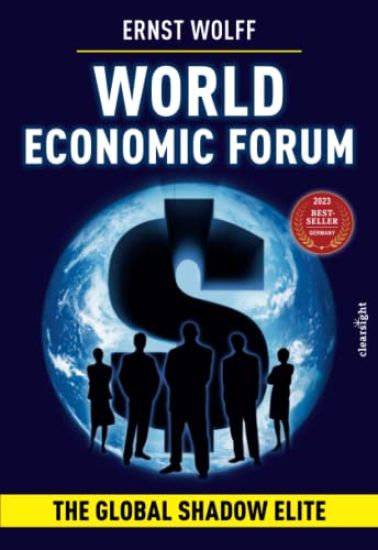
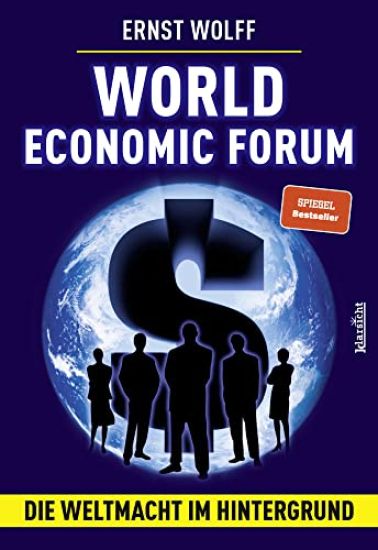
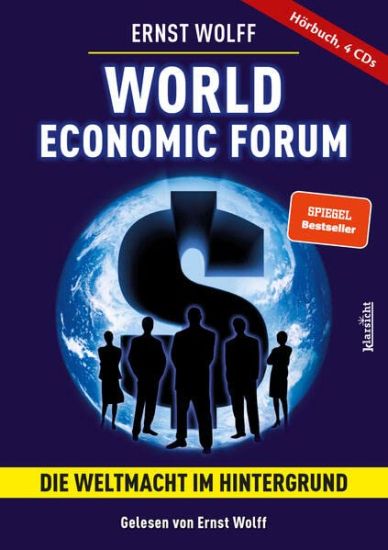
Since its founding in 1971, the World Economic Forum, based in the Swiss canton of Geneva, has managed to become a control center of global power. For more than 50 years, it has brought together the top leaders of politics, business, academia, the media, trade unions, NGOs, culture and churches, networking them with each other and bringing them together with the worldIt has also been training the world's corporate and political elite for more than 30 years. Whether it is Bill Gates, Jeff Bezos, Jack Ma from the world of business or Angela Merkel, Emmanuel Macron, Viktor Orban or Vladimir Putin from the world of politics - they have all passed through the school of the WEF as "Global Leaders for Tomorrow" or as "Young Global Leaders".No wonder, then, that the founder of the Forum, German professor Klaus Schwab, is considered one of the most influential personalities of our time. But how far does his influence go? Could it be that the WEF is now so powerful that Schwab even wrote the script for the current world crisis with his book "Covid 19 - The Great Reset", published in July 2020?In his new book, journalist Ernst Wolff gets to the bottom of this and many other questions surrounding the origins and history of one of the most enigmatic organizations in contemporary history.
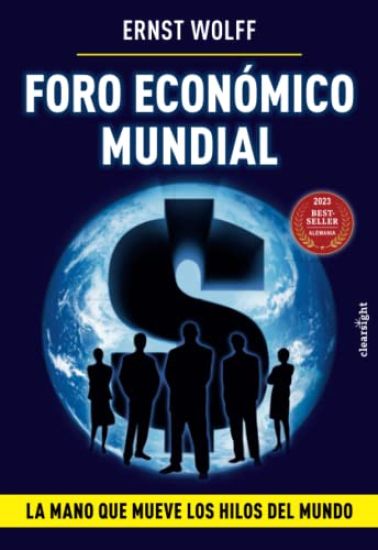
Desde su fundaci n en 1971, el Foro Econ mico Mundial, con sede en el cant n suizo de Ginebra, ha conseguido convertirse en un centro de control del poder global. Lleva m s de 50 a os reuniendo a los m ximos dirigentes del mundo pol tico, econ mico y acad mico, de los medios de comunicaci n, los sindicatos, las ONG, la cultura y las iglesias, conect ndolos entre s y reuni ndolos con las personas m s ricas del mundo.Tambi n lleva m s de 30 a os formando a la lite empresarial y pol tica mundial. Ya se trate de Bill Gates, Jeff Bezos o Jack Ma del mundo de los negocios o de Angela Merkel, Emmanuel Macron, Viktor Orban o Vladimir Putin del mundo de la pol tica: Todos ellos han pasado por la escuela del FEM como L deres Globales del Ma ana o como J venes L deres Globales.No resulta sorprendente que el fundador del Foro, el profesor alem n Klaus Schwab, sea considerado una de las personalidades m s influyentes de nuestro tiempo. Pero hasta d nde llega su influencia? Podr a ser que el FEM sea ahora tan poderoso que Schwab incluso escribiera el guion de la actual crisis mundial con su libro COVID 19 - El Gran Reinicio, publicado en julio de 2020?En su nuevo libro, el periodista Ernst Wolff llega al fondo de sta y otras muchas cuestiones en torno a los or genes y la historia de una de las organizaciones m s enigm ticas de la historia contempor nea.

Most human action has a technical dimension. This book examines four components of this technical dimension. First, in all actions, various individual, organizational or institutional agents combine actional capabilities with tools, institutions, infrastructure and other elements by means of which they act. Second, the deployment of capabilities and means is permeated by ethical aspirations and hesitancies. Third, all domains of action are affected by these ethical dilemmas. Fourth, the dimensions of the technicity of action are typical of human life in general, and not just a regional or culturally specific phenomenon. In this study, an interdisciplinary approach is adopted to encompass the broad anthropological scope of this study and combine this bigger picture with detailed attention to the socio-historical particularities of action as it plays out in different contexts. Hermeneutics (the philosophical inquiry into the human phenomena of meaning, understanding and interpretation) and social science (as the study of all human affairs) are the two main disciplinary orientations of this book. This study clarifies the technical dimension of the entire spectrum of human action ranging from daily routine to the extreme of violent protest.


Most human action has a technical dimension. This book examines four components of this technical dimension. First, in all actions, various individual, organizational or institutional agents combine actional capabilities with tools, institutions, infrastructure and other elements by means of which they act. Second, the deployment of capabilities and means is permeated by ethical aspirations and hesitancies. Third, all domains of action are affected by these ethical dilemmas. Fourth, the dimensions of the technicity of action are typical of human life in general, and not just a regional or culturally specific phenomenon. In this study, an interdisciplinary approach is adopted to encompass the broad anthropological scope of this study and combine this bigger picture with detailed attention to the socio-historical particularities of action as it plays out in different contexts. Hermeneutics (the philosophical inquiry into the human phenomena of meaning, understanding and interpretation) and social science (as the study of all human affairs) are the two main disciplinary orientations of this book. This study clarifies the technical dimension of the entire spectrum of human action ranging from daily routine to the extreme of violent protest.
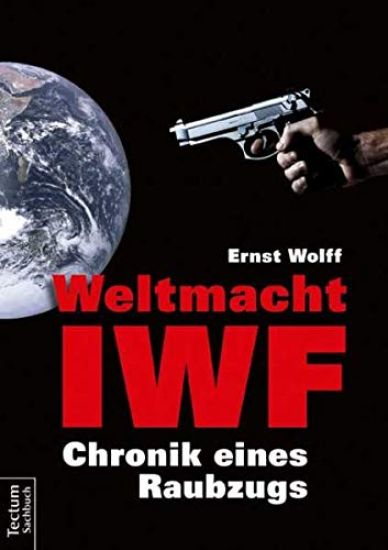
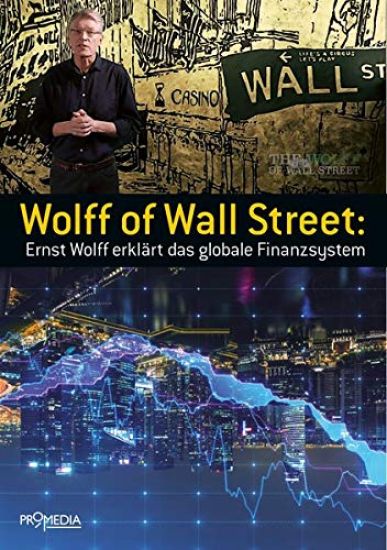
Er erpresst Staaten. Er plundert Kontinente. Er hat Generationen von Menschen die Hoffnung auf eine bessere Zukunft genommen und ist dabei zur machtigsten Finanzorganisation der Welt aufgestiegen: Die Geschichte des Internationalen Wahrungsfonds gleicht einem modernen Kreuzzug gegen die arbeitende Bevolkerung auf funf Kontinenten. In seinem bis zur letzten Seite fesselnden Buch schildert der Journalist Ernst Wolff, welche dramatischen Folgen die Politik des IWF fur die globale Gesellschaft und seit Eintreten der Eurokrise auch fur Europa und Deutschland hat. Denn die Vergabe von Krediten durch den IWF hat die Erzwingung neoliberaler Reformen zur Folge: Auf der einen Seite fordert diese Praxis Hunger, Armut, Seuchen und Kriege, auf der anderen begunstigt sie eine winzige Gruppe von Ultrareichen, deren Vermogen derzeit ins Unermessliche wachst - alles im Namen der Stabilisierung des Finanzsystems.
Political Responsibility for a Globalised World – After Levinas' Humanism
Ernst Wolff
Transcript Verlag
2021
nidottu
The aim of this book is to reflect on the complex practice of responsibility within the context of a globalised world and contemporary means of action. Levinas' exploration of the ethical serves as point of entry and is shown to be seeking inter-cultural political relevance through engagement with the issues of postcoloniality and humanism. Yet, Levinas fails to realise the ethical implications of the inevitable instrumental mediation between ethical meaning and political practice. With recourse to Weber, Apel and Ricoeur, Ernst Wolff proposes a theory of strategic co-responsibility for the uncertain global context of practice.
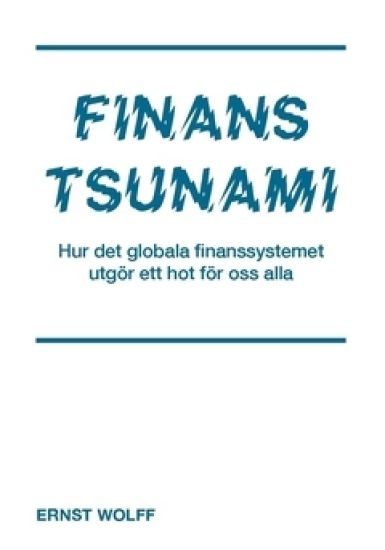
Finanstsunami : hur det globala finanssystemet utgör ett hot för oss alla
Ernst Wolff
pewi.pop.agri.ch
2020
nidottu
Boken är en översättning av den tyska boken "Finanztsunami" av Ernst Wolff och beskriver tillkomsten och utvecklingen av vårt nuvarande finanssystem. Det som nu håller på att äga rum, kan liknas vid en tsunami. Kriserna under 80- och 90 talen, från den latinamerikanska skuldkrisen till den nästan inträffade kraschen av systemet efter hedgefonden LTCM, var de första tektoniska förskjutningarna. Till dessa har lagts krisen med sub-prime hypotek 2006, sammanbrottet av Lehman Brothers 2008 och utbredningen av Eurokrisen från och med 2010. Inte ett enda av de problem som ledde till dessa kriser har lösts. De har bara skjutits vidare på framtiden. Därför har stora spänningar byggts upp under ytan. Spänningar som med matematisk säkerhet kommer att laddas ur – och det plötsligt, utan varning – med en kraft som bara ökar så länge urladdningen skjuts upp.

Den diskreta världsmakten : så blev World Economic Forum världens mäktigaste lobbyorganisation
Ernst Wolff
Karneval förlag
2023
sidottu
Under några dagar i januari varje år står den schweiziska vinterorten Davos i centrum för världens blickar. Då samlas på inbjudan av World Economic Forum (WEF) tusentals företagsledare, ministrar och andra makthavare för att diskutera globala politiska och ekonomiska frågor.Fastän stiftelsen har funnits i över femtio år har dess verksamhet förblivit märkvärdigt förborgad för en allmänhet. I medierna framställs den mestadels som ett vanligt konferenscenter eller en tankesmedja bland andra. Själv anser man sig vara en opartisk organisation i det globala allmänintressets tjänst.I sin bok Den diskreta världsmakten gör den tyske journalisten Ernst Wolff en genomlysning av World Economic Forums historia och inflytande. Han beskriver hur forumet successivt har byggts upp och idag är den globala elitens lobbyorganisation nummer ett.I styrelsen sitter representanter från såväl världens största företag och världens mäktigaste organisationer som centralbanker och Europeiska kommissionen. Många av de bolag som är WEF:s stöttepelare, »strategiska partner«, hör till de rikaste i världen.Under decennierna har World Economic Forum vid sidan av det nationellt baserade demokratiska systemet formulerat politiska idéer och utformat politiska kampanjer som förändrat våra samhällen. WEF har spelat en nyckelroll i den internationella diskussionen om ämnen som digitalisering, klimatförändringar, massvaccinationer och transhumanism.Två reformförslag som forumet för närvarande arbetar på att förverkliga är universell basinkomst och digitala centralbanksvalutor. De sistnämnda ses som själva kärnan i projektet »The Great Reset«, Den stora återställningen, som lanserades under covidpandemin 2020.I särskilda kaderskolor har WEF utbildat generationer av ledare från politik och näringsliv. Enligt stiftelsens ordförande Klaus Schwab har denna skolning varit mycket framgångsrik i sitt syfte att »penetrera världens regeringar«. Här har skolats politiker som Jacinda Ardern, Annalena Baerbock, Emmanuel Macron, Sanna Marin, Angela Merkel och Justin Trudeau. BONUSKAPITEL 1: WEF:s 117 strategiska partner BONUSKAPITEL 2: WEF:s 2518 Young Global Leaders OM ERNST WOLFFErnst Wolff är en tysk författare och journalist. Han har tidigare utgivit flera böcker om vad han anser vara det viktigaste området i det globala samhället, den finansiella sektorn. År 2020 utgav han Wolff of Wall Street: Ernst Wolff erklärt das globale Finanzsystem, år 2017 Finanz-Tsunami: Wie das globale Finanzsystem uns alle bedroht (på svenska 2020) och år 2014 Weltmacht IWF [IMF]: Chronik eines Raubzugs. ERNST WOLFF OM SIN BOKHur kunde World Economic Forum få sådan stor makt?Därför att de allra flesta människor inte ägnat någon uppmärksamhet åt stiftelsen. Till detta finns två tänkbara förklaringar: antingen har inte känt till att det handlar om världens största och mäktigaste lobbyorganisation för den globala eliten, eller så trodde de på hur forumet har framställt sig självt: som en organisation som bryr sig om mänsklighetens framtid och handlar utifrån renodlat etiska motiv.Men år 2020 var det slut med detta. Klaus Schwab gjorde sig själv och World Economic Forum en björntjänst när han publicerade sin bok COVID-19: The Great Reset, eftersom den riktade allmänhetens blickar mot forumet på ett sätt som inte hade skett tidigare och ledde till en kritikstorm.Den auktoritära attityd som många av World Economic Forums skolade »Young Global Leaders« uppvisade under covidkrisen, och de uteblivna fredssträvandena i Ukraina, har bidragit ytterligare till detta. Nedtrappningen av stiftelsens offentliga aktiviteter visar att den befinner sig på defensiven.Eftersom World Economic Forum är sammanflätad med det rådande systemet finns det emellertid ingen annan väg för forumet än att fortsätta att driva »The Great Reset«, Den stora återställningen, vidare framåt. Men det kommer med nödvändighet att leda till en alltmer omfattande konflikt med större delen av mänskligheten.Detta i sin tur skapar en grogrund för en upplysningskampanj som kan beröva World Economic Forum dess allra viktigaste trumfkort: massornas okunnighet.
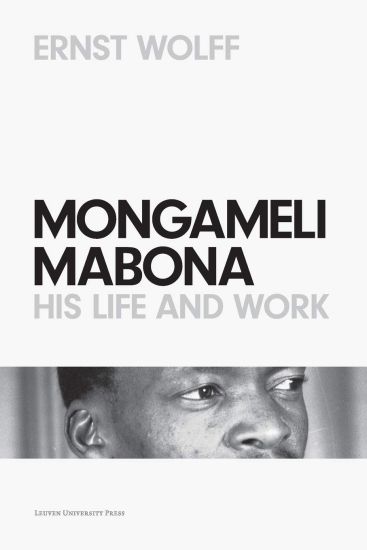
Mongameli Anthony Mabona (1929-) is a singular South African scholar with an exceptional life path. The history of British imperialism and apartheid shaped the world into which he was born. To a large extent, these powers had his destiny carved out for him. Nevertheless, a curious set of coincidences enabled him to obtain a tertiary education as a priest, to pursue his doctoral studies in Italy and to befriend Alioune Diop. He is one of the first published philosophers of Anglophone Africa and holds doctorates in theology and anthropology. His opposition to institutionalised racism--including co-authoring the 1970 "Black Priests' Manifesto--"eventually led to his exile. This book documents his life and offers a synoptic reading of his scholarly and poetic work. Free ebook available at OAPEN Library, JSTOR and Project Muse
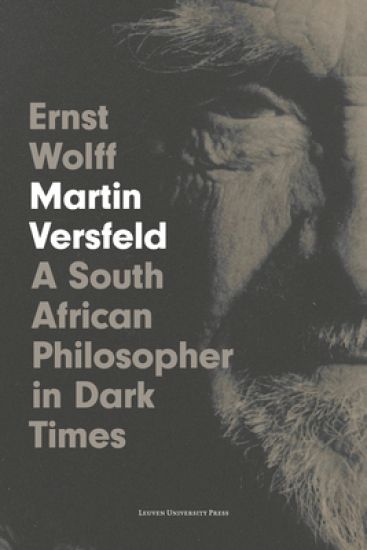
Martin Versfeld (1909-1995) is one of South Africa's greatest philosophers, appreciated by academics and activists, poets and the broader public. His masterful prose spans the tension between disquiet and joy. Detractor of the violent trends of modernity, a critic of apartheid from the first hour, he was among the first philosophers of ecology. At the same time he celebrated the generosity of the world and advocated an ethics of simplicity, drawing on mediaeval theology and Eastern wisdom. His philosophy offered food for thought in dark times of the 20th century, as it still does for us in the 21st century. This first book-length study on Versfeld is an invitation to think with him on justice and exploitation, cultural difference and human nature, religion and the environment, time and connectedness. Free ebook available at OAPEN Library, JSTOR and Project Muse
Introductory and critical overview of African philosophical hermeneuticsAfrican philosophical hermeneutics has emerged in response to the predicaments of post-colonial African societies. Its central premise is that practical responses have a lot to gain from interpreting people’s experience of meaning and the disruption of it. But where does understanding originate from? And what are the possibilities and limitations of interpretation as support for practice?Suspended in the tension between Africa’s traumatic past and people’s continuing quest for autonomy, African hermeneutics draws on old traditions, adopted ideas and creative reflection. This results in intense intellectual engagement with history and conflict, translation and human nature, epistemic domination and liberation.This book explores the role of hermeneutics in African philosophy. By examining its leading thinkers, it offers stimulating perspectives for any reader grappling with interpretation, critique, pluralism, decolonization and politics – in Africa and elsewhere.