Kirjojen hintavertailu. Mukana 12 016 292 kirjaa ja 12 kauppaa.

Kirjahaku

Etsi kirjoja tekijän nimen, kirjan nimen tai ISBN:n perusteella.

5 kirjaa tekijältä Ernst van Alphen

Art in Mind

Art in Mind

Ernst van Alphen

University of Chicago Press
2005
sidottu
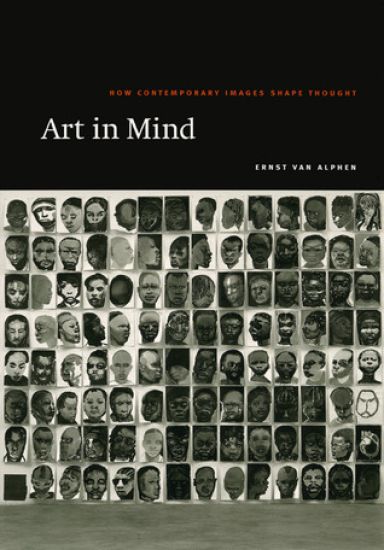
Art has the power to affect our thinking, changing not only the way we view and interact with the world but also how we create it. In Art in Mind, Ernst van Alphen probes this idea of art as a commanding force with the capacity to shape our intellect and intervene in our lives. Rather than interpreting art as merely a reflection of our social experience or a product of history, van Alphen here argues that art is a historical agent, or a cultural creator, that propels thought and experience forward. Examining a broad range of works, van Alphen - a renowned art historian and cultural theorist - demonstrates how art serves a socially constructive function by actually experimenting with the parameters of thought. Employing work from artists as diverse as Picasso, Watteau, Francis Bacon, Marlene Dumas, and Matthew Barney, he shows how art confronts its viewers with the "pain points" of cultural experience - genocide, sexuality, diaspora, and transcultural identity - and thereby transforms the ways in which human existence is conceived. Van Alphen analyzes how art visually "thinks" about these difficult cultural issues, tapping into an understudied interpretation of art as the realm where ideas and values are actively created, given form, and mobilized. In this way, van Alphen's book is a work of art in itself as it educates us in a new mode of thought that will forge equally new approaches and responses to the world.
Art in Mind

Art in Mind

Ernst van Alphen

University of Chicago Press
2005
nidottu
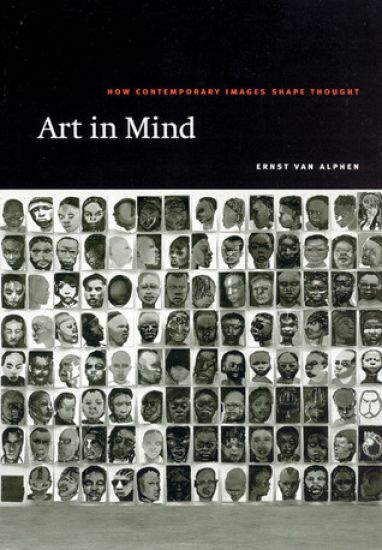
Art has the power to affect our thinking, changing not only the way we view and interact with the world but also how we create it. In Art in Mind, Ernst van Alphen probes this idea of art as a commanding force with the capacity to shape our intellect and intervene in our lives. Rather than interpreting art as merely a reflection of our social experience or a product of history, van Alphen here argues that art is a historical agent, or a cultural creator, that propels thought and experience forward. Examining a broad range of works, van Alphen - a renowned art historian and cultural theorist - demonstrates how art serves a socially constructive function by actually experimenting with the parameters of thought. Employing work from artists as diverse as Picasso, Watteau, Francis Bacon, Marlene Dumas, and Matthew Barney, he shows how art confronts its viewers with the "pain points" of cultural experience - genocide, sexuality, diaspora, and transcultural identity - and thereby transforms the ways in which human existence is conceived. Van Alphen analyzes how art visually "thinks" about these difficult cultural issues, tapping into an understudied interpretation of art as the realm where ideas and values are actively created, given form, and mobilized. In this way, van Alphen's book is a work of art in itself as it educates us in a new mode of thought that will forge equally new approaches and responses to the world.
Caught by History

Caught by History

Ernst van Alphen

Stanford University Press
1998
sidottu
In the face of strong moral and aesthetic pressure to deal with the Holocaust in strictly historical and documentary modes, this book discusses why and how reenactment of the Holocaust in art and imaginative literature can be successful in simultaneously presenting, analyzing, and working through this apocalyptic moment in human history. In pursuing his argument, the author explores such diverse materials and themes as: the testimonies of Holocaust survivors; the works of such artists and writers as Charlotte Salomon, Christian Boltanski, and Armando; and the question of what it means to live in a house built by a jew who was later transported to the death camps. He shows that reenactment, as an artistic project, also functions as a critical strategy, one that, unlike historical methods requiring a mediator, speaks directly to us and lures us into the Holocaust. We are then placed in the position of experiencing and being the subjects of that history. We are there, and history is present—but not quite. A confrontation with Nazism or with the Holocaust by means of a re-enactment takes place within the representational realm of art. Our access to this past is no longer mediated by the account of a witness, by a narrator, by the eye of a photographer. We do not respond to a re-presentation of the historical event, but to a presentation or performance of it, and our response is direct or firsthand in a different way. That different way of "keeping in touch" is the subject of inquiry that propels this study.
Staging the Archive

Staging the Archive

Ernst van Alphen

Reaktion Books
2014
nidottu
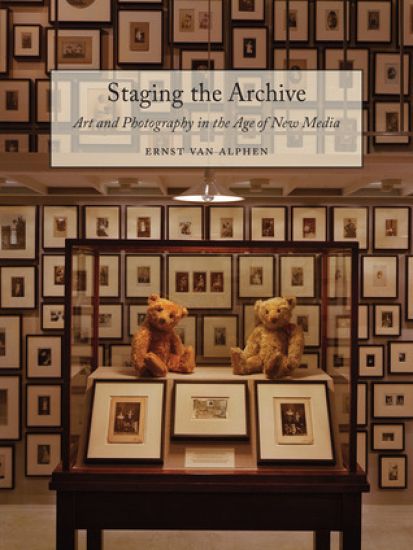
Dedicated to art practices that mobilize the model of the archive, this book demonstrates the ways in which such ‘archival artworks’ probe the possibilities of what art is and what it can do. Through a variety of media, methodologies and perspectives, the artists surveyed here also challenge the principles on which the notions of organization, evidence and documentation are built.The earliest examples of the modern archival artwork were made in the 1930s, but it is since the 1960s that archival principles have increasingly been used by artists to inform, structure and shape their works. This includes practices that consist of archive construction, archaeological investigation, record keeping or the use of archived materials; however, they also interrogate the principles, claims and effects of the archive. Staging the Archive shows how artists read the concept of the archive against the grain, questioning not only what the archive is and can be but what materials, images or ideas can be archived.In this book Ernst van Alphen examines these archival artists and artworks in detail, setting them within their social, political and aesthetic contexts. Exploring the work of Marcel Duchamp, Marcel Broodthaers, Christian Boltanski, Annette Messager, Fiona Tan and Sophie Calle, among others, this book reveals how modern and contemporary artists have used and contested the notion of the archive to establish new relationships to history, information and data.
Shame! and Masculinity

Shame! and Masculinity

Ernst van Alphen

Valiz
2020
nidottu
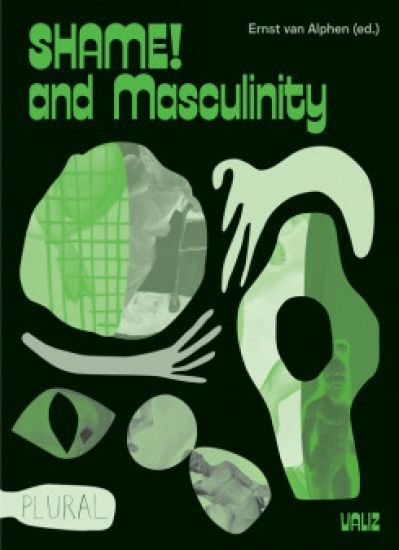
Multigenre perspectives on shame and male self-esteem post-MeTooSince the ascent of the MeToo movement, male sexual abuse and abuse of power has come under necessary scrutiny, thereby impacting perceptions of male sexuality and the self-esteem of many men. While plenty of male abusers seem to experience no shame, some do, as do men who have not transgressed, but who may now be negotiating shame in relation to their gender and sexuality. Hybrid in genre, combining scholarly essays with short stories, personal testimonies and provocative and intimate artist's contributions, Shame and Masculinity looks at the representation of male sexuality, fatherhood, violence, rape, fascism and virility, men and war. It shows works of art that deal with the intricacies and contradictions of these socio-cultural constructs and realities, and stimulates reflection on shame in collusion with masculinity, from male as well as female perspectives, with visual contributions by Jeanette Christensen, Marlene Dumas, Arnoud Holleman, Hans Hovy, Natasja Kensmil, Nalini Malani, Lotte Schr der, Artur Zmijjewski and Ina van Zyl.