Kirjojen hintavertailu. Mukana 11 342 296 kirjaa ja 12 kauppaa.

Kirjahaku

Etsi kirjoja tekijän nimen, kirjan nimen tai ISBN:n perusteella.

4 kirjaa tekijältä Estella Tincknell

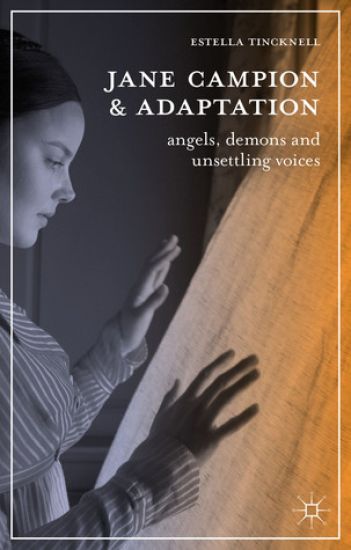
Jane Campion and Adaptation

Jane Campion and Adaptation

Estella Tincknell

Red Globe Press
2013
sidottu
Best known for The Piano, Jane Campion is an author/director whose films explore the relationship between literature and cinema. This book examines Campion's films as adaptations, mixing cultural and textual analysis, and exploring context, pastiche and genre. It is a must-read for anyone interested in Campion or adaptation studies.
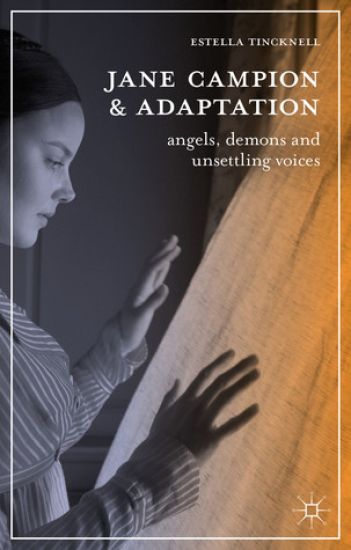
Jane Campion and Adaptation

Jane Campion and Adaptation

Estella Tincknell

Red Globe Press
2013
nidottu
Best known for The Piano, Jane Campion is an author/director whose films explore the relationship between literature and cinema. This book examines Campion's films as adaptations, mixing cultural and textual analysis, and exploring context, pastiche and genre. It is a must-read for anyone interested in Campion or adaptation studies.
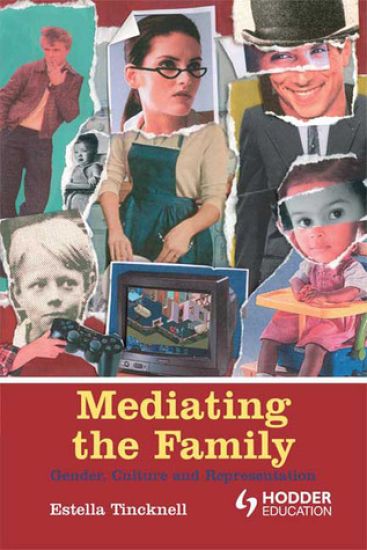
Mediating the Family

Mediating the Family

Estella Tincknell

Hodder Arnold
2005
nidottu
Taking as its starting point the 'problem' of how the family has been mediated in popular film, television, literature and social policy over the last 50 years, Mediating the Family: Gender, Culture and Representation explores the ways in which struggles over sexuality, identity, gender and power have informed the conceptualisation and representation of the family as an institution and as a site of discursive complexity. Mediating the Family: Gender, Culture and Representation 'unpacks the family', looking in detail at the different generational and identificatory components: motherhood, fatherhood, adolescence and childhood. Using theoretical and critical frameworks from cultural studies, sociology, textual analysis and cultural history, and drawing on original research, case studies and critical analysis from a range of sources from around the world, the book examines the relationship between the intersecting discourses of youth; childhood innocence; post-war companionate marriage; 'bad' families; and entrepreneurial femininity in the 1980s in order to interrogate the representation - and - reinvention of the family. Mediating the Family: Gender, Culture and Representation is an important intervention in debates about family relationships and will be essential reading for scholars and students of cultural, film and media studies, sociology and cultural history.
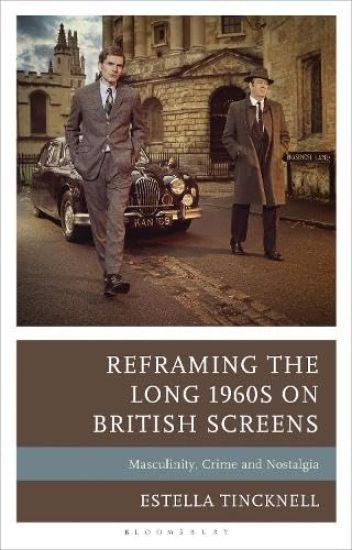
Reframing the Long 1960s on British Screens

Reframing the Long 1960s on British Screens

Estella Tincknell

BLOOMSBURY PUBLISHING PLC
2026
sidottu
In this book, Estella Tincknell explores representations of gender, violence, race, and desire in a range of significant British crime films and television series made between 1960 and 1973, comparing those to more recent examples set during “the long 1960s.” Tincknell contends that our understanding of the period is marked by tensions around modernity and tradition, with nostalgic myths of masculinity, power and whiteness set against the shock of the new. Both are present in the earlier texts and reimagined in the contemporary narratives, but, she posits, in ways that often ultimately recuperate attempts to critique such myths. This dynamically written book explores key films and television shows made during this period, from police procedurals and heist films to gangster narratives and thrillers, comparing their approach with period-set drama which reimagines that era for a twenty-first century audience. Exploring texts as varied as Dixon of Dock Green, The Sweeney, Frenzy, The Trial of Christine Keeler, Endeavour, Legend, The Great Train Robbery and Life on Mars, Tincknell examines changing representations of the police and the criminal, highlighting the centrality and sometimes absence of sexual violence to the discursive regime of the crime story. Blending cultural analysis and original research with close reading, the book unpacks the intersections between text, genre, nostalgia and popular memory in the recirculation of myths about crime in the long 1960s, including the desire for “hard men” villains and detectives, and the suppression of feminist politics in favour of benign patriarchs.