Kirjojen hintavertailu. Mukana 11 627 220 kirjaa ja 12 kauppaa.

Kirjahaku

Etsi kirjoja tekijän nimen, kirjan nimen tai ISBN:n perusteella.

14 kirjaa tekijältä Euclid Seeram

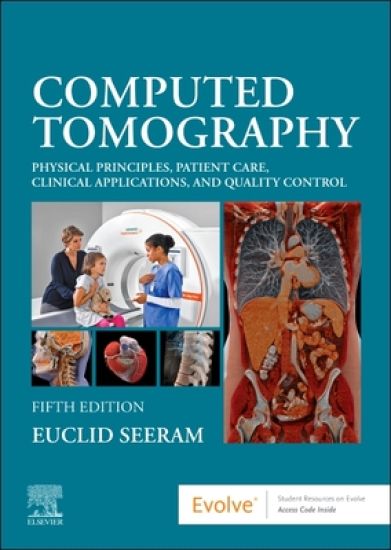
Computed Tomography

Computed Tomography

Euclid Seeram

Elsevier - Health Sciences Division
2022
nidottu
Build the foundation necessary for the practice of CT scanning with Computed Tomography: Physical Principles, Patient Care, Clinical Applications, and Quality Control, 5th Edition. Written to meet the varied requirements of radiography students and practitioners, this two-color text provides comprehensive coverage of the physical principles of computed tomography and its clinical applications. The clear, straightforward approach is designed to improve your understanding of sectional anatomic images as they relate to computed tomography and facilitate communication between CT technologists and other medical personnel. Chapter outlines and chapter review questions help you focus your study time and master content. NEW! Three additional chapters reflect the latest industry CT standards in imaging: Radiation Awareness and Safety Campaigns in Computed Tomography, Patient Care Considerations, and Artificial Intelligence: An Overview of Applications in Health and Medical Imaging. UPDATED! More than 509 photos and line drawings visually clarify key concepts. UPDATED! The latest information keeps you up to date on advances in volume CT scanning; CT fluoroscopy; and multislice applications like 3-D imaging, CT angiography, and virtual reality imaging (endoscopy).

Rad Tech's Guide to Equipment Operation and Maintenance
To meet the demands of practicing radiologic technologist and students in training, Blackwell introduces the latest volume of the Rad Tech's Guide Series. Rad Tech's Guide to Equipment Operation and Maintenance promises a clinically-relevant introductory review of radiographic imaging systems. This condensed handbook is both a concise review for board preparation exams, as well as handy reference guide for the busy rad tech. This on the spot reference features: *Content based on material found on the AART Entry to Practice Exam *Easy to read text for quick referencing and smooth navigation *Presents the most current and informative material on the technical aspects of radiographic equipment and total quality management *Pocket size -- take it anywhere!
CT at a Glance

CT at a Glance

Euclid Seeram

John Wiley Sons Inc
2017
nidottu
CT at a Glance gets readers quickly up to speed with the core knowledge and competencies required for computed tomography (CT) scanning, as established by the major radiography organizations around the world, including the ASRT and the CAMRT. This brand new title describes the basic science behind CT with an emphasis on the theory that is essential for practice. Featuring an abundance of illustrations, succinct, straightforward explanations and clear, step-by-step guidance, it includes the fundamental physics, technical principles, and imaging strategies and procedures involved in CT scanning. Over the course of twenty four, concise modular chapters, CT at a Glance covers all the bases for entry-to-practice students, including: The basic physics underlying CT scanningState-of-the-art multi-slice technologiesData acquisition strategiesEquipment components—their functions and applicationsImage reconstruction and image quality controlCT dose and dose optimization proceduresQuality control fundamentals CT at a Glance is an indispensable learning resource for students in medical imaging technology courses, including those covering radiography, nuclear medicine, and radiation therapy, as well as for biomedical engineering technology students.
A Comprehensive Guide to Radiographic Sciences and Technology
A Comprehensive Guide to Radiographic Sciences and Technology is a concise review of radiographic physics and imaging, perfect for students preparing for certification examinations such as the American Registry for Radiologic Technologists (ARRT). Aligned with the core radiographic science components of the current American Society of Radiologic Technologists (ASRT) curriculum, this up-to-date resource covers topics including radiation production and characteristics, imaging equipment, digital image acquisition and display, radiation protection, basic principles of computed tomography, and quality control. The guide begins with an overview of the radiographic sciences and technology, followed by detailed descriptions of the major components of digital radiographic imaging systems. Subsequent sections discuss the essential aspects of diagnostic radiography and computed tomography, including basic physics, imaging modalities, digital image processing, quality control, imaging informatics, and basic concepts of radiobiology and radiation protection. Throughout the book, concise chapters summarise the critical knowledge required for effective and efficient imaging of the patient while emphasising the important, yet commonly misunderstood, relationship between radiation dose and image quality. Written by an internationally recognised expert in the field, this invaluable reference and guide: Provides easy access to basic physics, techniques, equipment, and safety guidelines for radiographic imaging Reflects the educational requirements of the American Society of Radiologic Technologists (ASRT), the Canadian Association of Medical Radiation Technologists (CAMRT), the College of Radiographers (CoR), and other radiography societies and associations worldwide Offers a range of pedagogical tools such as chapter outlines, key term definitions, bulleted lists, practical examples, and links to current references and additional resources Includes charts, diagrams, photographs, and x-ray images A Comprehensive Guide to Radiographic Sciences and Technology is required reading for students in programs using ionizing radiation, those preparing for the ARRT and other global radiography certification exams, and practising technologists wanting to refresh their knowledge.
Rad Tech's Guide to Radiation Protection

Rad Tech's Guide to Radiation Protection

Euclid Seeram

Wiley-Blackwell
2019
nidottu
Radiation protection is a core element of radiologic technology programmes and daily practice alike. Rad Tech's Guide to Radiation Protection is a comprehensive yet compact guide designed to illuminate the extensive field of radiation protection for technologists, trainees, and radiology students. Organised into ten digestible chapters, the second edition of this popular book provides new discussions of dose factors in computed tomography, the debate concerning the use of the LNT model, Diagnostic Reference Levels (DRLs), dose optimization, and more. Written by a recognised expert in medical radiation sciences, this valuable guide: Helps students and technologists acquire the skills required to protect patients, personnel, and members of the public in the radiology departmentReflects the most current standards for radiation protection, with references to relevant organisations and resourcesCovers basic radiobiology, sources of radiation exposure, dose management regulations and optimization, and morePresents essential information in a bulleted, easy-to-reference format Rad Tech's Guide to Radiation Protection is a must-have resource for student radiographers and radiology technologists, particularly those preparing for the American Registry of Radiation Technologist (ARRT) exams.
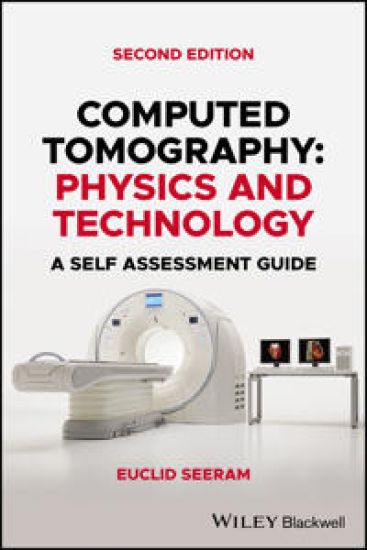
Computed Tomography

Computed Tomography

Euclid Seeram

JOHN WILEY AND SONS LTD
2022
nidottu
COMPUTED TOMOGRAPHY: PHYSICS AND TECHNOLOGY In the newly updated second edition of Computed Tomography: Physics and Technology A Self Assessment Guide, distinguished computed tomography (CT) educator Euclid Seeram delivers a completely revised and expanded collection of multiple-choice questions covering all relevant technological advances, including the use of artificial intelligence, in the field of CT. In the book, readers will find a focused emphasis on physics and technology — an area where students of this discipline have traditionally struggled. The questions are presented in a format similar to those found on the certification examinations of the American Registry of Radiologic Technologists (ARRT), the Canadian Association of Medical Radiation Technologists (CAMRT), and other professional medical imaging organizations around the world. The author has also included true-false questions, short answer questions, and relevant learning outcomes to aid students in their study of the subject. Readers will also find brief notes on: An introduction to computed tomography, including an overview of the field and a historical perspectiveDigital image processing and the physics of computed tomographyData acquisition principles and technology and image reconstruction fundamentalsDeep learning image reconstruction, the major equipment components of a computed tomography scanner, and image post-processing and visualizationMultislice CT: Principles and TechnologyImage quality considerationsCT Dosimetry and dose optimization strategiesQuality control Perfect for radiological technology and diagnostic radiography students and practitioners, Computed Tomography: Physics and Technology A Self Assessment Guide, will also earn a place in the libraries of biomedical engineering students and radiology residents in training.
Dose Optimization in Digital Radiography and Computed Tomography

Dose Optimization in Digital Radiography and Computed Tomography

Euclid Seeram

Springer International Publishing AG
2023
sidottu
This book addresses radiation protection of patients having digital radiography and computed tomography (CT) examinations. The literature on radiation doses to patients from these two modalities have reported that the doses to patients are high. As a result, the radiology community has focused on methods and procedures to keep these doses as low as reasonably achievable (ALARA) without compromising the diagnostic image quality. This book outlines the motivation for dose optimization in radiology, identifies and describes the ICRP principle of optimization, outlines the factors affecting the dose in digital radiography and in CT, and identifies and describes strategies used in digital radiography and in CT for dose optimization.This book is intended for all those working in digital radiography and CT environments including radiological technologists, and radiographers, radiologists, biomedical engineering technologists, and student medical physicists. It is bestused as a supplement to radiologic science textbooks, and in particular, radiation protection textbooks. Furthermore, this book lays the foundations for students and practitioners engaged in research on dose reduction and dose optimization in radiology.· Provides practical and useful methods for optimization of doses from digital radiography and CT · Describes the International Commission on Radiological Protection (ICRP) principle of optimization · Outlines the factors affecting the dose in digital radiography and in computed tomography
Dose Optimization in Digital Radiography and Computed Tomography

Dose Optimization in Digital Radiography and Computed Tomography

Euclid Seeram

Springer International Publishing AG
2024
nidottu
This book addresses radiation protection of patients having digital radiography and computed tomography (CT) examinations. The literature on radiation doses to patients from these two modalities have reported that the doses to patients are high. As a result, the radiology community has focused on methods and procedures to keep these doses as low as reasonably achievable (ALARA) without compromising the diagnostic image quality. This book outlines the motivation for dose optimization in radiology, identifies and describes the ICRP principle of optimization, outlines the factors affecting the dose in digital radiography and in CT, and identifies and describes strategies used in digital radiography and in CT for dose optimization.This book is intended for all those working in digital radiography and CT environments including radiological technologists, and radiographers, radiologists, biomedical engineering technologists, and student medical physicists. It is bestused as a supplement to radiologic science textbooks, and in particular, radiation protection textbooks. Furthermore, this book lays the foundations for students and practitioners engaged in research on dose reduction and dose optimization in radiology.· Provides practical and useful methods for optimization of doses from digital radiography and CT · Describes the International Commission on Radiological Protection (ICRP) principle of optimization · Outlines the factors affecting the dose in digital radiography and in computed tomography
X-Ray Imaging Systems for Biomedical Engineering Technology

X-Ray Imaging Systems for Biomedical Engineering Technology

Euclid Seeram

Springer International Publishing AG
2023
sidottu
This book addresses X-Ray Imaging Systems intended for biomedical engineering technology students and practitioners, and deals with the major technical components of x-ray imaging modalities. These modalities include film-based imaging, digital radiography, and computed tomography. Furthermore, principles and concepts essential to the understanding of how these modalities function will be described. These include fundamental radiation physics, imaging informatics, quality control, and radiation protection considerations. X-Ray Imaging Systems for Biomedical Engineering Technology: An Essential Guide is intended for biomedical engineering technologists, who provide technical advice and services relating to digital radiography and CT departments not only in hospitals but in private facilities as well. Students in radiological technology programs may also find this to be a useful resource.
X-Ray Imaging Systems for Biomedical Engineering Technology

X-Ray Imaging Systems for Biomedical Engineering Technology

Euclid Seeram

Springer International Publishing AG
2024
nidottu
This book addresses X-Ray Imaging Systems intended for biomedical engineering technology students and practitioners, and deals with the major technical components of x-ray imaging modalities. These modalities include film-based imaging, digital radiography, and computed tomography. Furthermore, principles and concepts essential to the understanding of how these modalities function will be described. These include fundamental radiation physics, imaging informatics, quality control, and radiation protection considerations. X-Ray Imaging Systems for Biomedical Engineering Technology: An Essential Guide is intended for biomedical engineering technologists, who provide technical advice and services relating to digital radiography and CT departments not only in hospitals but in private facilities as well. Students in radiological technology programs may also find this to be a useful resource.
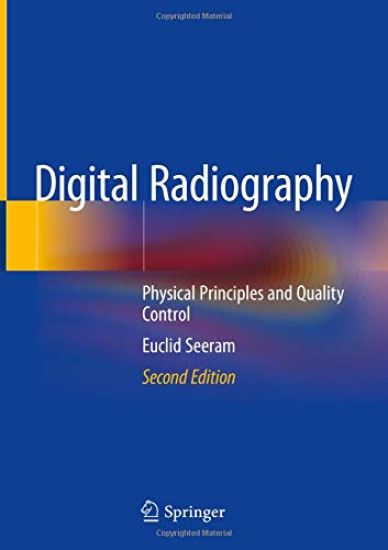
Digital Radiography

Digital Radiography

Euclid Seeram

Springer Verlag, Singapore
2019
sidottu
This is the second edition of a well-received book that enriches the understanding of radiographers and radiologic technologists across the globe, and is designed to meet the needs of courses (units) on radiographic imaging equipment, procedures, production, and exposure. The book also serves as a supplement for courses that address digital imaging techniques, such as radiologic physics, radiographic equipment and quality control. In a broader sense, the purpose of the book is to meet readers’ needs in connection with the change from film-based imaging to film-less or digital imaging; today, all radiographic imaging worldwide is based on digital imaging technologies. The book covers a wide range of topics to address the needs of members of various professional radiologic technology associations, such as the American Society of Radiologic Technologists, the Canadian Association of Medical Radiation Technologists, the College of Radiographers in the UK, and the Australian and New Zealand Societies for Radiographers.
Digital Radiography

Digital Radiography

Euclid Seeram

Springer Verlag, Singapore
2020
nidottu
This book serves as a supplement to the book ‘Digital Radiography: Physical Principles and Quality Control, 2nd Edition (ISBN 978-981-13-3243-2)’ published by Springer Nature in 2019. This book includes review questions of multiple choices, true/false and short answer formats based on the chapters of the already published book along with their answers. It includes questions that mimic the nature of the questions in certification examinations of professional radiologic technologist organizations, such as the American Association of Radiological Technologists (ASRT) and the Canadian Association of Medical Radiation Technologists (CAMRT) and other certification organizations in the United Kingdom and Australia. The book includes 10-15 review questions on each of the essential topics covering the scope of digital radiography (DR), such as definition of DR, limitations of film-screen radiography, digital image processing concepts, physics and technology of computed radiography (CR), flat-panel digital radiography (FPDR), image quality descriptors including artifacts for CR and FPDR, the standardized exposure indicator, the technical aspects of digital fluoroscopy, digital mammography, digital tomosynthesis, picture archiving and communication systems (PACS), imaging informatics, quality control for DR, and radiation dose optimization in DR. The book is relevant for diagnostic radiography students, diagnostic radiology residents (MDs), radiology practitioners and biomedical engineering technologists all over the world.