Kirjojen hintavertailu. Mukana 11 699 587 kirjaa ja 12 kauppaa.

Kirjahaku

Etsi kirjoja tekijän nimen, kirjan nimen tai ISBN:n perusteella.

2 kirjaa tekijältä Faraz Masood Sheikh

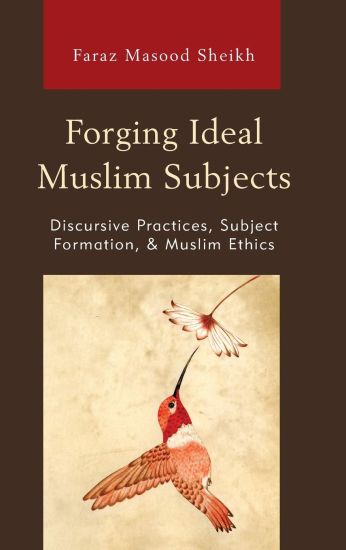
Forging Ideal Muslim Subjects

Forging Ideal Muslim Subjects

Faraz Masood Sheikh

Lexington Books
2020
sidottu
There are many ways of living religiously informed ethical Muslim lives In this book, the author presents two important accounts, one by the 9th century moral pedagogue, al-Harith al-Muhasibi (d. 857) and the other by 20th century Kurdish Quran scholar, Said Nursi (d. 1960), of what the psychic states and moral subjectivity of an authentic, ideal Muslim ought to look like in everyday life. The book analyzes their accounts of the nature of and the discursive practices implicated in the self-production, of what the author calls ideal Muslim subjects. The book draws on Foucault's insights about ethics and the practices of self-care, to examine Muslim discourses in a way that enriches contemporary discussions about identity, individuality, community, authority, agency and virtue in the fields of religious ethics, Islamic studies and Islamic ethics. The author deepens our understanding of the fluidity and fragility of both the more familiar obligation-centered ethics in Islam and the less familiar, belief-centered mode of Muslim ethical life.
Forging Ideal Muslim Subjects

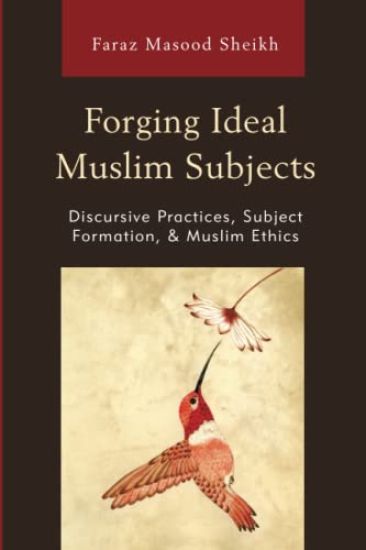
Forging Ideal Muslim Subjects

Faraz Masood Sheikh

BLOOMSBURY PUBLISHING PLC
2022
nidottu
What forms can a religiously informed, ethical Muslim life take? This book presents two important accounts of ideal Muslim subjectivity, one by 9th century moral pedagogue, al-Harith al-Muhasibi (d. 857) and the other by 20th century Kurdish Quran scholar, Said Nursi (d. 1960). It reconstructs Muhasibi’s and Nursi’s accounts of ideal Muslim consciousness and analyzes the discursive practices implicated in its formation and expression. The book discusses the range of psychic states and ethical relations that Muhasibi and Nursi consider critical for living an authentically Muslim life. It highlights the importance of discursive practices in Muslim religious and moral self-production. The author draws on Foucault's insights about ethics and practices of self-care to examine familiar Muslim discourses in ways that enrich contemporary conversations about identity, individuality, community, authority, moral agency and virtue in the fields of religious studies, Islamic studies and Muslim ethics. The book deepens our understanding of the fluidity and fragility of both the more familiar, obligation-centered ethics in Islamic thought and the less familiar, belief-centered modes of religio-moral being.