

Kirjahaku
Etsi kirjoja tekijän nimen, kirjan nimen tai ISBN:n perusteella.
6 kirjaa tekijältä Fereshteh Molavi
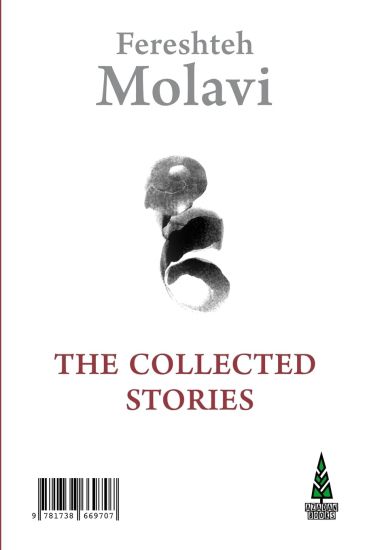
This collection contains all short stories of the author written in Persian.
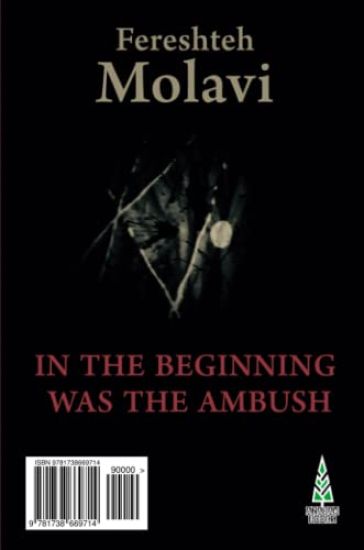
This is the sixth novel of Fereshteh Molavi. It is in Persian.

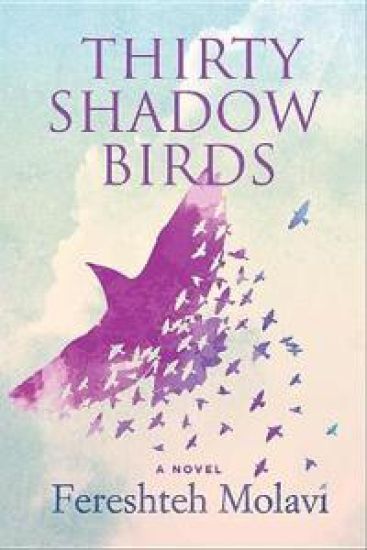
To pursue her dream of building a life free from violence for her son and herself, Yalda flees from her nightmarish past as well as her troubled homeland, Iran. But in her new haven, she realizes that nightmares haunt not only her past, but also her present and future. She does what she can to survive, but all her plans dissolve like the shadows and ghosts that follow her. Having fled from an authoritarian regime, and now living in a North America panic-stricken by global terrorism, Yalda is obsessed with all the forms and aspects of violence. She is estranged from her beloved son, Nader, who trains to become an armed security guard, and this means he is wearing a uniform and carrying weapons, prepared to be violent. She cannot forget that her first love was shot and killed by a young prison guard and that her beloved stepbrother also met a violent death. This family history is a wound that makes guns taboo and Yalda yearns to feel safe in a troubled world. The novel is part memory, part dream, and part present, day-to-day struggles for immigrants living in Toronto and Montreal.
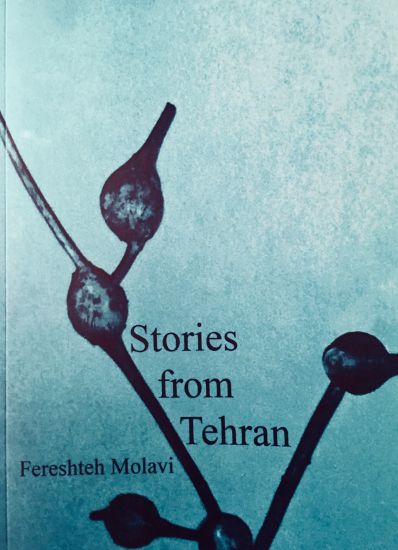
As the title implies, the stories are set in Tehran. They have as their context many issues related to women's lives. The stories' protagonists are women, and have to inwardly or outwardly contend with, and strive against, a traditional patriarchal society and a theocratic regime that has repressed their aspirations and their hopes for fulfillment. But the book is fiction, not tracts about cultural or political topics, or even about practical realities. The women in these stories are seeking to first distinguish, and then to preserve, their souls. They find themselves in an in-between zone that shrinks or expands the possibilities of freedom they imagine might be theirs. Nonetheless, they don't want to leave the impression that their narratives primarily concern their loneliness, suffering, despair, or defeat. The characters are not cerebral creatures: they think with their female bodies; they mediate the world around them through the vivid perceptions that flood their senses. In the often unhappy circumstances in which they find themselves, they assert their identities through a visceral identification or analogy with someone or something outside themselves. Their true defence, their most efficacious means of survival, consists in how they see, hear, smell, and touch the world around them and in doing so blend a personalized morality and an all-embracing sensibility. Whether or not they realize it in the midst of what they do, their capacity to maintain a sensory and intuitive porousness, while undergoing the adversities that afflict their lives, is a kind of triumph.