Kirjojen hintavertailu. Mukana 12 083 983 kirjaa ja 12 kauppaa.

Kirjahaku

Etsi kirjoja tekijän nimen, kirjan nimen tai ISBN:n perusteella.

3 kirjaa tekijältä Fichtner Paula Sutter

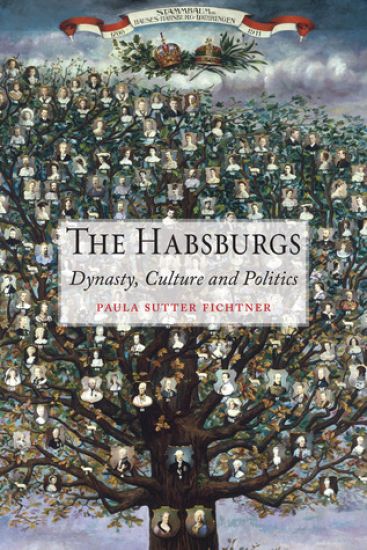
The Habsburgs

The Habsburgs

Fichtner Paula Sutter

Reaktion Books
2014
sidottu
On 28 June 1914, in the Bosnian capital of Sarajevo, Archduke Franz Ferdinand of Habsburg-Lorraine-Este was shot dead. Known as the moment that sparked off the First World War, this incident also initiated another, lesser-known story: the beginning of the end of Habsburg rule, which came four years later. In this comprehensive account of the longest-lived European empire, Paula Sutter Fichtner explains how the dynasty came to play such a decisive role in the fate of the continent. The Habsburgs: Dynasty, Culture and Politics traces the origins of house Habsburg and shows how it was able to hold together such a culturally diverse, polyglot and multi-ethnic state for more than 600 years, the cessation of which changed the shape of Europe forever. Taking account of the interpenetration of culture, politics and society, the book reveals the strategies that enabled the dynasty's extraordinarily long life - its dazzling mix of cultural propaganda, public performances and cunning political manoeuvring. It is one of the most striking ironies of this history that Ferdinand was killed while on his way to visit injured people in hospital - just the sort of crowd-pleasing performance that had enabled Habsburg success. This incisive new history tells the story of the Habsburgs in an accessible yet authoritative fashion, revealing the intriguing principal characters in the drama and breathing fresh life into the story of the Habsburg reign. The book charts one of the pivotal foundation stories of modern Europe, and is essential reading for anyone interested in the history of the continent.
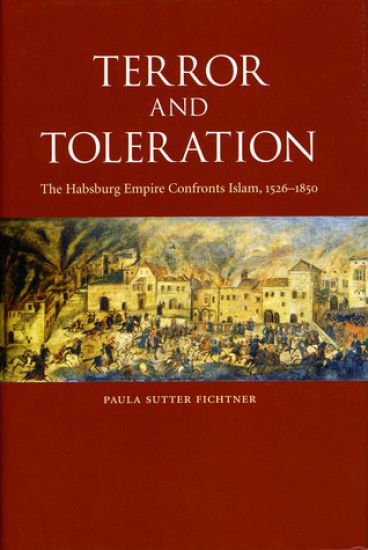
Terror and Toleration

Terror and Toleration

Fichtner Paula Sutter

Reaktion Books
2007
sidottu
From the fourteenth to the eighteenth centuries the armies of the Ottoman empire brought terror, in the name of Islam, to much of the Christian world. Intermittently, but relentlessly, the Sultans' forces raided, then conquered the Danube Valley as far as Budapest and beyond. Their inexorable progress westward eventually brought them into conflict with the dynastic confederation created in central and eastern Europe by the Austrian Habsburgs. Repeatedly faced with virtual annihilation by superior Muslim forces, the ruling powers in Vienna fought to mobilise the minds as well as the military resources of their subjects in order to save both their faith and their soil. The propaganda developed by both government and church, particularly the Roman Catholic variant, created, then reinforced many of the negative stereotypes of Muslims that are still familiar to Europeans today. Gradually, after the middle of the seventeenth century, Habsburg rulers and officials came to see that its political and military survival required solid information about the Muslim foe that prejudiced ideas did not supply. In "Terror and Toleration", Paula Sutter Fichtner traces the story of this change of heart and mind in government and intellectual circles throughout the Habsburg empire. This episode shows, she argues, that it is possible to form and disseminate negative views of an enemy for political and strategic reasons, yet be able to reconfigure those views as circumstance and necessity dictates. A highly original account of a fascinating historical and cultural encounter, this book gives readers a close view of how a Western empire not only survived Islamic aggression, but in the process learned how to consider and even work with Muslims positively and productively.