Kirjojen hintavertailu. Mukana 11 627 670 kirjaa ja 12 kauppaa.

Kirjahaku

Etsi kirjoja tekijän nimen, kirjan nimen tai ISBN:n perusteella.

4 kirjaa tekijältä Forrest Stuart

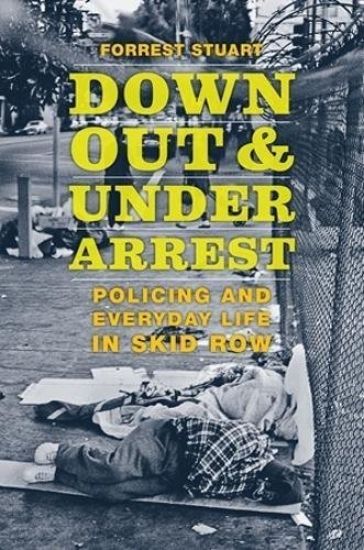
Down, Out, and Under Arrest

Down, Out, and Under Arrest

Forrest Stuart

University of Chicago Press
2018
pokkari
In his first year working in Los Angeles's Skid Row, Forrest Stuart was stopped on the street by police fourteen times. Usually for doing little more than standing there. Juliette, a woman he met during that time, has been stopped by police well over one hundred times, arrested upward of sixty times, and has given up more than a year of her life serving weeklong jail sentences. Her most common crime? Simply sitting on the sidewalk--an arrestable offense in LA. Why? What purpose did those arrests serve, for society or for Juliette? How did we reach a point where we've cut support for our poorest citizens, yet are spending ever more on policing and prisons? That's the complicated, maddening story that Stuart tells in Down, Out and Under Arrest, a close-up look at the hows and whys of policing poverty in the contemporary United States. What emerges from Stuart's years of fieldwork--not only with Skid Row residents, but with the police charged with managing them--is a tragedy built on mistakes and misplaced priorities more than on heroes and villains. He reveals a situation where a lot of people on both sides of this issue are genuinely trying to do the right thing, yet often come up short. Sometimes, in ways that do serious harm. At a time when distrust between police and the residents of disadvantaged neighborhoods has never been higher, Stuart's book helps us see where we've gone wrong, and what steps we could take to begin to change the lives of our poorest citizens--and ultimately our society itself--for the better.
Ballad of the Bullet

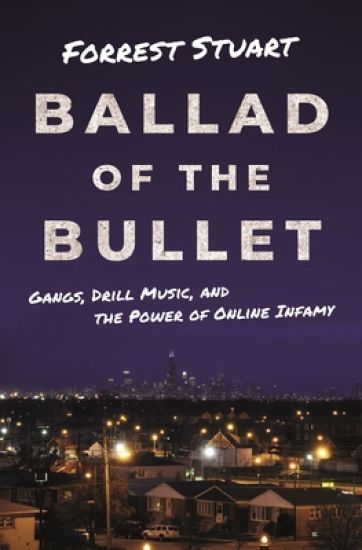
Ballad of the Bullet

Forrest Stuart

PRINCETON UNIVERSITY PRESS
2020
sidottu
How poor urban youth in Chicago use social media to profit from portrayals of gang violence, and the questions this raises about poverty, opportunities, and public voyeurismAmid increasing hardship and limited employment options, poor urban youth are developing creative online strategies to make ends meet. Using such social media platforms as YouTube, Twitter, and Instagram, they’re capitalizing on the public’s fascination with the ghetto and gang violence. But with what consequences? Ballad of the Bullet follows the Corner Boys, a group of thirty or so young men on Chicago’s South Side who have hitched their dreams of success to the creation of “drill music” (slang for “shooting music”). Drillers disseminate this competitive genre of hyperviolent, hyperlocal, DIY-style gangsta rap digitally, hoping to amass millions of clicks, views, and followers—and a ticket out of poverty. But in this perverse system of benefits, where online popularity can convert into offline rewards, the risks can be too great.Drawing on extensive fieldwork and countless interviews compiled from daily, close interactions with the Corner Boys, as well as time spent with their families, friends, music producers, and followers, Forrest Stuart looks at the lives and motivations of these young men. Stuart examines why drillers choose to embrace rather than distance themselves from negative stereotypes, using the web to assert their supposed superior criminality over rival gangs. While these virtual displays of ghetto authenticity—the saturation of social media with images of guns, drugs, and urban warfare—can lead to online notoriety and actual resources, including cash, housing, guns, sex, and, for a select few, upward mobility, drillers frequently end up behind bars, seriously injured, or dead.Raising questions about online celebrity, public voyeurism, and the commodification of the ghetto, Ballad of the Bullet offers a singular look at what happens when the digital economy and urban poverty collide.
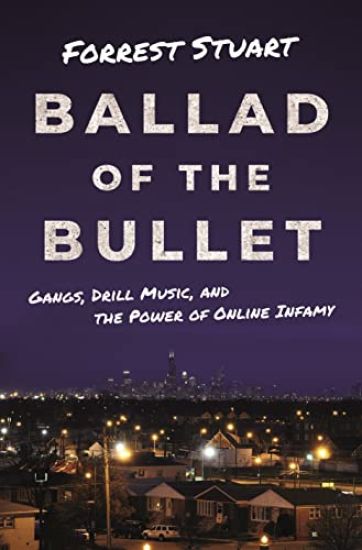
Ballad of the Bullet

Ballad of the Bullet

Forrest Stuart

Princeton University Press
2021
pokkari
How poor urban youth in Chicago use social media to profit from portrayals of gang violence, and the questions this raises about poverty, opportunities, and public voyeurismAmid increasing hardship and limited employment options, poor urban youth are developing creative online strategies to make ends meet. Using such social media platforms as YouTube, Twitter, and Instagram, they’re capitalizing on the public’s fascination with the ghetto and gang violence. But with what consequences? Ballad of the Bullet follows the Corner Boys, a group of thirty or so young men on Chicago’s South Side who have hitched their dreams of success to the creation of “drill music” (slang for “shooting music”). Drillers disseminate this competitive genre of hyperviolent, hyperlocal, DIY-style gangsta rap digitally, hoping to amass millions of clicks, views, and followers—and a ticket out of poverty. But in this perverse system of benefits, where online popularity can convert into offline rewards, the risks can be too great.Drawing on extensive fieldwork and countless interviews compiled from daily, close interactions with the Corner Boys, as well as time spent with their families, friends, music producers, and followers, Forrest Stuart looks at the lives and motivations of these young men. Stuart examines why drillers choose to embrace rather than distance themselves from negative stereotypes, using the web to assert their supposed superior criminality over rival gangs. While these virtual displays of ghetto authenticity—the saturation of social media with images of guns, drugs, and urban warfare—can lead to online notoriety and actual resources, including cash, housing, guns, sex, and, for a select few, upward mobility, drillers frequently end up behind bars, seriously injured, or dead.Raising questions about online celebrity, public voyeurism, and the commodification of the ghetto, Ballad of the Bullet offers a singular look at what happens when the digital economy and urban poverty collide.
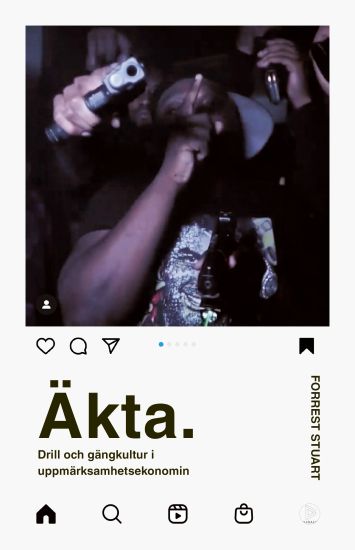
Äkta : drill och gängkultur i uppmärksamhetsekonomin
I Chicago ligger några av USA:s mest utsatta områden. Här är fattigdomen och segregationen omfattande och gängkriminaliteten och vapenvåldet präglar invånarnas vardag. Ett av gängen är Corner Boys, bestående av omkring trettio unga män från ett område i stadens södra delar.Några av dem skapar musik i genren ”drill”, vilket är slang för att skjuta eller knivhugga någon. Det är en hyperlokal och ultravåldsam form av rap med mörka beats som går ut på att hota och håna rivaliserande gäng för att hävda sin egen överlägsenhet och autenticitet. Genom sociala medieplattformar som Youtube, Twitter och Instagram utnyttjar de allmänhetens fascination för ”ghettot” och gängkulturen, och i enstaka fall kan ett uppbyggt mikrokändisskap innebära vägen ut ur prekära levnadsförhållanden.I ”Äkta” beskriver sociologen Forrest Stuart hur sociala medier på många sätt har förändrat gängvåldets själva innebörd och funktion. I takt med digitaliseringen och demokratiseringen av kulturproduktionens medel har gängvåldet blivit en primär­produkt i egen rätt. Snarare än att använda våld för att kontrollera droghandeln, använder dessa gängassocierade Chicago-­ungdomar framställningar av våld för att generera visningar, klick och uppmärksamhet på nätet.Genom ett omfattande fältarbete och intervjuer i nära kontakt med Corner Boys ges en unik bild av vad som händer när gängkulturen och den digitala uppmärksamhetsekonomin möts.Forrest Stuart är professor i sociologi vid Stanford University och föreståndare för Stanford Ethnography Lab.