Kirjojen hintavertailu. Mukana 11 244 527 kirjaa ja 12 kauppaa.

Kirjahaku

Etsi kirjoja tekijän nimen, kirjan nimen tai ISBN:n perusteella.

4 kirjaa tekijältä Frederic Spotts

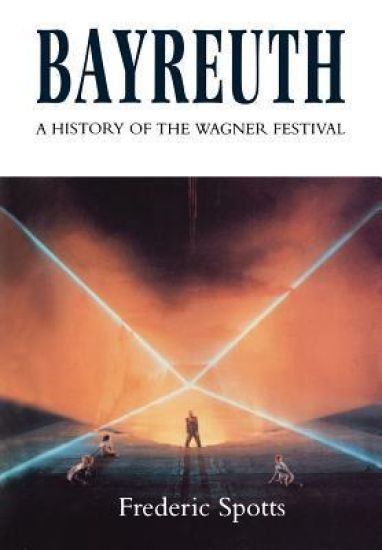
Bayreuth

Bayreuth

Frederic Spotts

Yale University Press
1996
pokkari
Germany's cultural glory and for a time Germany's political shame: the operatic festival established by Richard Wagner in 1876 is one of the most intriguing phenomena in modern European intellectual history. The oldest and best known of all musical festivals, Bayreuth soon after Wagner's death in 1883 became the center of a reactionary and nationalistic ideological cult. This book is the first to provide a frank and fully rounded account of the institution and the way it operates.The focus of the study is a critical analysis of the performances and productions, brought alive with photographs and sketches of stage settings, conductors, singers, and costumes from 1876 to 1990. Around this artistic history is woven the remarkable story of why, against tremendous odds, Wagner built his famous Festspielhaus and established his controversial festival and of how his descendants have managed to keep it alive. At the same time, the book traces the institution's association with nationalism and racism, its eventual debasement into "Hitler's court theatre," and its postwar liberation from its chauvinist, anti-Semitic past.With its own form of Wagnerian Gesamtkunstwerk—linking art, the personalities of the Wagner family, and German ideological development—this provocative study will be compelling reading not only for Wagner enthusiasts but also for anyone interested in European intellectual history since 1876.
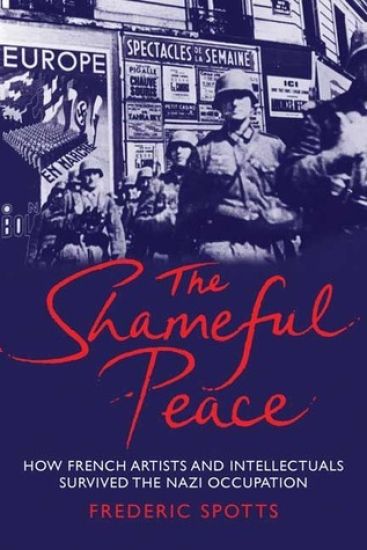
The Shameful Peace

The Shameful Peace

Frederic Spotts

Yale University Press
2009
pokkari
A vivid and poignant account of the struggle of French writers and artists to endure and combat the German occupation that threatened their cultural heritage The German occupation of France from 1940 to 1945 presented wrenching challenges for the nation’s artists and intellectuals. Some were able to flee the country; those who remained—including Gide and Céline, Picasso and Matisse, Cortot and Messiaen, and Cocteau and Gabin—responded in various ways. This fascinating book is the first to provide a full account of how France’s artistic leaders coped under the crushing German presence. Some became heroes, others villains; most were simply survivors.Filled with anecdotes about the artists, composers, writers, filmmakers, and actors who lived through the years of occupation, the book illuminates the disconcerting experience of life and work within a cultural prison. Frederic Spotts uncovers Hitler’s plan to pacify the French through an active cultural life, and examines the unexpected vibrancy of opera, ballet, painting, theater, and film in both the Occupied and Vichy Zones. In view of the longer-term goal to supplant French with German culture, Spotts offers moving insight into the predicament of French artists as they fought to preserve their country’s cultural and national identity.
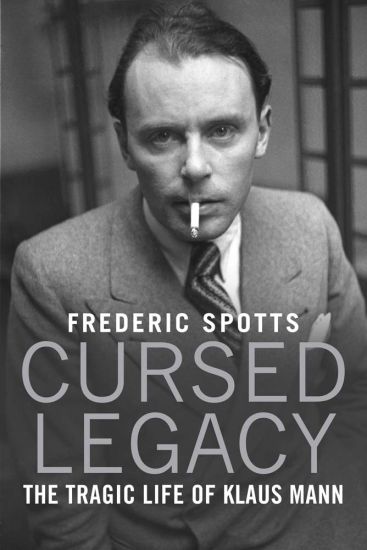
Cursed Legacy

Cursed Legacy

Frederic Spotts

Yale University Press
2016
sidottu
Son of the famous Thomas Mann, homosexual, drug-addicted, and forced to flee from his fatherland, the gifted writer Klaus Mann’s comparatively short life was as artistically productive as it was devastatingly dislocated. Best-known today as the author of Mephisto, the literary enfant terrible of the Weimar era produced seven novels, a dozen plays, four biographies, and three autobiographies—among them the first works in Germany to tackle gay issues—amidst a prodigious artistic output. He was among the first to take up his pen against the Nazis, as a reward for which he was blacklisted and denounced as a dangerous half-Jew, his books burnt in public squares around Germany, and his citizenship revoked. Having served with the U.S. military in Italy, he was nevertheless undone by anti-Communist fanatics in Cold War-era America and Germany, dying in France (though not, as all other books contend, by his own hand) at age forty-two. Powerful, revealing, and compulsively readable, this first English-language biography of Klaus Mann charts the effects of reactionary politics on art and literature and tells the moving story of a supreme talent destroyed by personal circumstance and the seismic events of the twentieth century.
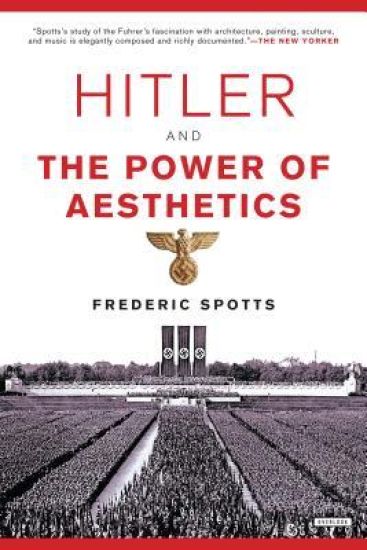
Hitler and the Power of Aesthetics

Hitler and the Power of Aesthetics

Frederic Spotts

Abrams Press
2018
nidottu
A startling reassessment of Hitler's aims and motivations, Frederic Spotts's Hitler and the Power of Aesthetics is a deftly argued and highly original work that provides a key to fuller understanding of the Third Reich. In this acclaimed work, Spotts convincingly demonstrates that contrary to the traditional view that Hitler had no life outside of politics, Hitler's interest in the arts was as intense as his racism--and that he used the arts to disguise the heinous crimes that were the means to fulfilling his ends.Hitler's vision of the Aryan superstate was to be expressed as much in art as in politics: culture was not only the end to which power should aspire, but the means of achieving it.