Kirjojen hintavertailu. Mukana 11 627 220 kirjaa ja 12 kauppaa.

Kirjahaku

Etsi kirjoja tekijän nimen, kirjan nimen tai ISBN:n perusteella.

3 kirjaa tekijältä Frederick C. Leiner

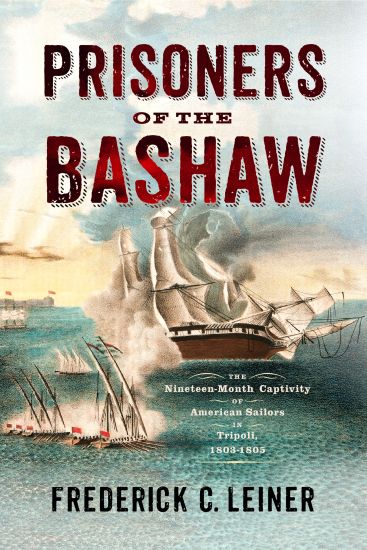
Prisoners of the Bashaw: The Nineteen-Month Captivity of American Sailors in Tripoli, 1803-1805
FINALIST FOR THE GILDER LEHRMAN MILITARY HISTORY PRIZE America's first crisis with the Islamic world: the diplomatic and military mission to free more than three hundred enslaved sailors On October 31, 1803, the frigate USS Philadelphia ran aground on a reef a few miles outside the harbor of Tripoli. Since April 1801, the United States had been at war with Tripoli, one of the Barbary "pirate" regimes, over the payment of annual tribute--bribes so that American merchant ships would not be seized and their crews held hostage. After hours under fire, the Philadelphia, aground and defenseless, surrendered, and 307 American sailors and marines were captured. Manhandled and stripped of their clothes and personal belongings, the men of the Philadelphia were paraded before the Bashaw of Tripoli, Yusuf Karamanali. The bashaw ordered the crew moved into an old warehouse, and the officers were eventually moved to a dungeon beneath the Bashaw's castle. While the officers were treated as "gentlemen," although imprisoned, the sailors worked as enslaved laborers. Regularly beaten and given a meager diet, several died in captivity; escape attempts failed, while a few ended up converting to Islam and joined their captors. President Thomas Jefferson, Congress, U.S. diplomats, and Commodore Edward Preble, commander of the naval squadron off Tripoli, grappled with how to safely free the American captives. The crew of the Philadelphia remained prisoners for nineteen months, until the Tripolitan War ended in June 1805. The Philadelphia captives became the key to negotiations to end the war; the possibility existed that if threatened too much, the Bashaw would kill the captives. Ultimately, the United States paid $60,000 to get them back--about $200 per man--a sum less than the Bashaw's initial demands for compensation. In June 1805, the Americans began their journey home. Combining stirring naval warfare, intricate diplomatic negotiations, the saga of surviving imprisonment, and based on extensive primary source research, Prisoners of the Bashaw: The Nineteen-Month Captivity of American Sailors in Tripoli, 1803-1805 by Frederick C. Leiner tells the complete story of America's first great hostage crisis.
Prisoners of the Bashaw: The Nineteen-Month Captivity of American Sailors in Tripoli, 1803-1805
FINALIST FOR THE GILDER LEHRMAN MILITARY HISTORY PRIZE America's first crisis with the Islamic world: the diplomatic and military mission to free more than three hundred enslaved sailors On October 31, 1803, the frigate USS Philadelphia ran aground on a reef a few miles outside the harbor of Tripoli. Since April 1801, the United States had been at war with Tripoli, one of the Barbary "pirate" regimes, over the payment of annual tribute--bribes so that American merchant ships would not be seized and their crews held hostage. After hours under fire, the Philadelphia, aground and defenseless, surrendered, and 307 American sailors and marines were captured. Manhandled and stripped of their clothes and personal belongings, the men of the Philadelphia were paraded before the Bashaw of Tripoli, Yusuf Karamanali. The bashaw ordered the crew moved into an old warehouse, and the officers were eventually moved to a dungeon beneath the Bashaw's castle. While the officers were treated as "gentlemen," although imprisoned, the sailors worked as enslaved laborers. Regularly beaten and given a meager diet, several died in captivity; escape attempts failed, while a few ended up converting to Islam and joined their captors. President Thomas Jefferson, Congress, U.S. diplomats, and Commodore Edward Preble, commander of the naval squadron off Tripoli, grappled with how to safely free the American captives. The crew of the Philadelphia remained prisoners for nineteen months, until the Tripolitan War ended in June 1805. The Philadelphia captives became the key to negotiations to end the war; the possibility existed that if threatened too much, the Bashaw would kill the captives. Ultimately, the United States paid $60,000 to get them back--about $200 per man--a sum less than the Bashaw's initial demands for compensation. In June 1805, the Americans began their journey home. Combining stirring naval warfare, intricate diplomatic negotiations, the saga of surviving imprisonment, and based on extensive primary source research, Prisoners of the Bashaw: The Nineteen-Month Captivity of American Sailors in Tripoli, 1803-1805 by Frederick C. Leiner tells the complete story of America's first great hostage crisis.
Millions for Defense

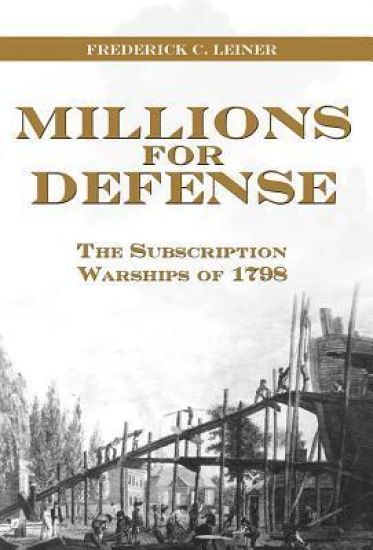
Millions for Defense

Frederick C. Leiner

Naval Institute Press
2014
nidottu
The title of this book comes from a toast popular with Americans in the late 1790s—“millions for defense, not a cent for tribute.” Americans were incensed by demands for bribes from French diplomats and by France’s galling seizures of U.S. merchant ships, and as they teetered toward open war, were disturbed by their country’s lack of warships. Provoked to action, private U.S. citizens decided to help build a navy. Merchants from Newburyport, Massachusetts, took the lead by opening a subscription to fund a 20-gun warship to be built in ninety days, and they persuaded Congress to pass a statute that gave them government “stock” bearing 6 percent interest in exchange for their money.Their example set off a chain reaction down the coast. More than a thousand subscribers in the port towns pledged money and began to build nine warships with little government oversight. Among the subscription ships were the Philadelphia, later lost on the rocks at Tripoli; Essex, the first American warship to round the Cape of Good Hope; and Boston, which captured the French corvette Le Berceau.This book is the first to explore in depth the subject of subscribing for warships. Frederick Leiner explains how the idea materialized, who the subscribers and shipbuilders were, how the ships were built, and what contributions these ships made to the Quasi-War against France. Along the way, he also offers significant insights into the politics of what is arguably the most critical period in American history.