Kirjojen hintavertailu. Mukana 11 244 527 kirjaa ja 12 kauppaa.

Kirjahaku

Etsi kirjoja tekijän nimen, kirjan nimen tai ISBN:n perusteella.

9 kirjaa tekijältä Fritz Fischer

From Kaiserreich to Third Reich

From Kaiserreich to Third Reich

Fritz Fischer

Routledge
2019
sidottu
Originally published in English in 1986, this book offers a concise summary of the contribution Fritz Fischer and his school made to German historiography in the 20th century and in particular draws attention to continuity in the development and power structures of the German Reich between 1871 and 1945. After 1866 the traditional elites wanted to avoid fundamental changes in society, expecting a victorious war to secure their own position at home and to broaden the European base of the German Reich. Even as the Blitzkrieg expectations foundered, these ambitions persisted beyond 1918. In the face of working-class hostility, these elites were unable to mobilize mass support for their interests, but Hitler fashioned a mass party. The alliance between these unequal partners led to the Third Reich but with its collapse in 1945 the Prusso-German Reich came to an end. Only with the German Federal Republic did the liberal-democratic traditions of German history again come into their own.

From Kaiserreich to Third Reich

From Kaiserreich to Third Reich

Fritz Fischer

Routledge
2021
nidottu
Originally published in English in 1986, this book offers a concise summary of the contribution Fritz Fischer and his school made to German historiography in the 20th century and in particular draws attention to continuity in the development and power structures of the German Reich between 1871 and 1945. After 1866 the traditional elites wanted to avoid fundamental changes in society, expecting a victorious war to secure their own position at home and to broaden the European base of the German Reich. Even as the Blitzkrieg expectations foundered, these ambitions persisted beyond 1918. In the face of working-class hostility, these elites were unable to mobilize mass support for their interests, but Hitler fashioned a mass party. The alliance between these unequal partners led to the Third Reich but with its collapse in 1945 the Prusso-German Reich came to an end. Only with the German Federal Republic did the liberal-democratic traditions of German history again come into their own.
Teaching Trump

Teaching Trump

Fritz Fischer

TAYLOR FRANCIS LTD
2025
nidottu
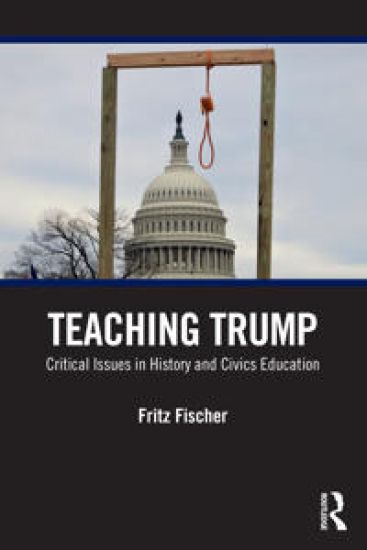
This book makes the case for teaching and engaging with the Trump presidency as US political history. Asking questions about how and when Trump’s presidency should be studied, it posits that history teachers must engage with this history now. The author points to the events that the January 6th commission called a “stain on our history,” and makes the argument that these events, if ignored, could stain the idea of history itself, shrouding it in a mythical haze and relegating history teachers to merely marginalized storytellers. As such, it offers ideas on engaging students with the facts and sources of the Trump presidency and placing Trump in the larger context of American political history. It specifically centers the notion of “historical thinking” as a guiding principle for the teaching of history and the study of the Trump presidency in particular. This book bridges the gap between the controversial events and rhetoric of Donald Trump’s first administration and the importance of contextualizing his presidency in the history classroom. It will appeal to educators, scholars and researchers with interests in history education and teaching, those interested in civic education and social studies as well as anyone interested the future of teaching history and civics.
Teaching Trump

Teaching Trump

Fritz Fischer

TAYLOR FRANCIS LTD
2025
sidottu
This book makes the case for teaching and engaging with the Trump presidency as US political history. Asking questions about how and when Trump’s presidency should be studied, it posits that history teachers must engage with this history now. The author points to the events that the January 6th commission called a “stain on our history,” and makes the argument that these events, if ignored, could stain the idea of history itself, shrouding it in a mythical haze and relegating history teachers to merely marginalized storytellers. As such, it offers ideas on engaging students with the facts and sources of the Trump presidency and placing Trump in the larger context of American political history. It specifically centers the notion of “historical thinking” as a guiding principle for the teaching of history and the study of the Trump presidency in particular. This book bridges the gap between the controversial events and rhetoric of Donald Trump’s first administration and the importance of contextualizing his presidency in the history classroom. It will appeal to educators, scholars and researchers with interests in history education and teaching, those interested in civic education and social studies as well as anyone interested the future of teaching history and civics.
The Memory Hole

The Memory Hole

Fritz Fischer

Information Age Publishing
2013
nidottu
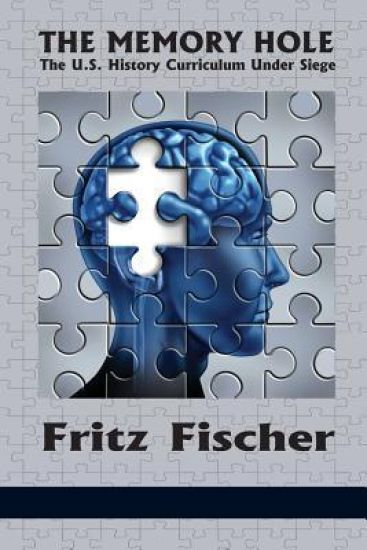
The U.S. history curriculum is under attack. Politicians, political analysts, and ideologues seek to wipe clean the slate of the American past and replace it with one of their own invention. The basis for this new narrative comes from political beliefs of the present, rather than any systematic examination of the past. These anti-historians campaign to insert their version of American history into the nation’s classrooms, hoping to begin a process that will forever transform our understanding of America’s past.The Memory Hole examines five central topics in the US history curriculum, showing how anti-historians of both the left and right seek to distort these topics and insert a refashioned story in America’s classrooms. Ignoring facts, refashioning other facts and pretending that there are no rules in the telling of history, these re-interpreters of the past place the minds of America’s young people in danger. The beleaguered hero of this book is the discipline of History, and The Memory Hole shows how the history curriculum should adhere to history’s habits of mind that require complex, sophisticated and subtle thinking about the past. History and social studies teachers, students of history and all those who care about the deep and enduring value of history will value this book and its conclusions.
The Memory Hole

The Memory Hole

Fritz Fischer

Information Age Publishing
2013
sidottu
The U.S. history curriculum is under attack. Politicians, political analysts, and ideologues seek to wipe clean the slate of the American past and replace it with one of their own invention. The basis for this new narrative comes from political beliefs of the present, rather than any systematic examination of the past. These anti-historians campaign to insert their version of American history into the nation’s classrooms, hoping to begin a process that will forever transform our understanding of America’s past.The Memory Hole examines five central topics in the US history curriculum, showing how anti-historians of both the left and right seek to distort these topics and insert a refashioned story in America’s classrooms. Ignoring facts, refashioning other facts and pretending that there are no rules in the telling of history, these re-interpreters of the past place the minds of America’s young people in danger. The beleaguered hero of this book is the discipline of History, and The Memory Hole shows how the history curriculum should adhere to history’s habits of mind that require complex, sophisticated and subtle thinking about the past. History and social studies teachers, students of history and all those who care about the deep and enduring value of history will value this book and its conclusions.