Kirjojen hintavertailu. Mukana 11 717 486 kirjaa ja 12 kauppaa.

Kirjahaku

Etsi kirjoja tekijän nimen, kirjan nimen tai ISBN:n perusteella.

5 kirjaa tekijältä Gail Anderson

Biological Influences on Criminal Behavior
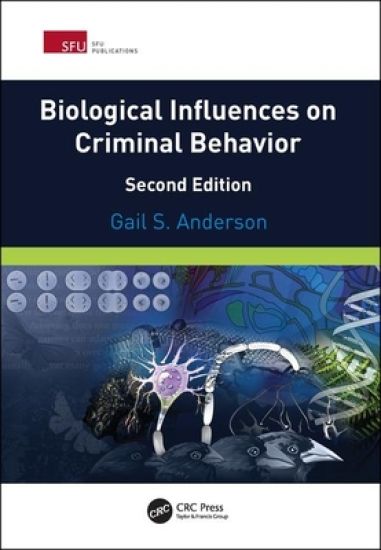
Biological Influences on Criminal Behavior, Second Edition is fully updated to include recent research, studies, and publications examining the integration of the biological view with mainstream social, psychological, and environmental views in influences in criminality and criminal behavior. The first edition of the book was written with the belief, grounded in research, that something vital can be discovered when we assess all the factors related to the causes of crime, including biology. Since the first edition published, it has become broadly accepted that biology is certainly a factor in criminal behavior, albeit a singular piece to the puzzle. Increased collaborations between scientists and criminologists has led to a much stronger understanding of the intricacies of biology’s role in behavior. As well, more criminologists have biological backgrounds. As the science involved became more complex, so too did this text. This second edition considers the more recent and integrated research that is being conducted today to show the interaction between the environment and a person’s biology that lead to our behavior. It has even been shown that the environment acts on, and actually changes the functions, of some genes. The book begins with basic scientific principles and advances to introduce the reader to the more in-depth discussions of various biological influencers.Biological Influences on Criminal Behavior, Second Edition is written primarily for social science and law students who wish to understand this exciting area. The book offers a greater understanding of this rapidly growing field so that its lessons can help to inform policy, treatments, rehabilitation and the law.

Biological Influences on Criminal Behavior

Biological Influences on Criminal Behavior

Gail Anderson

TAYLOR FRANCIS LTD
2024
nidottu
Biological Influences on Criminal Behavior, Second Edition is fully updated to include recent research, studies, and publications examining the integration of the biological view with mainstream social, psychological, and environmental views in influences in criminality and criminal behavior. The first edition of the book was written with the belief, grounded in research, that something vital can be discovered when we assess all the factors related to the causes of crime, including biology. Since the first edition published, it has become broadly accepted that biology is certainly a factor in criminal behavior, albeit a singular piece to the puzzle. Increased collaborations between scientists and criminologists has led to a much stronger understanding of the intricacies of biology’s role in behavior. As well, more criminologists have biological backgrounds. As the science involved became more complex, so too did this text. This second edition considers the more recent and integrated research that is being conducted today to show the interaction between the environment and a person’s biology that lead to our behavior. It has even been shown that the environment acts on, and actually changes the functions, of some genes. The book begins with basic scientific principles and advances to introduce the reader to the more in-depth discussions of various biological influencers.Biological Influences on Criminal Behavior, Second Edition is written primarily for social science and law students who wish to understand this exciting area. The book offers a greater understanding of this rapidly growing field so that its lessons can help to inform policy, treatments, rehabilitation and the law.
Mission Matters

Mission Matters

Gail Anderson

American Alliance Of Museums
2019
sidottu
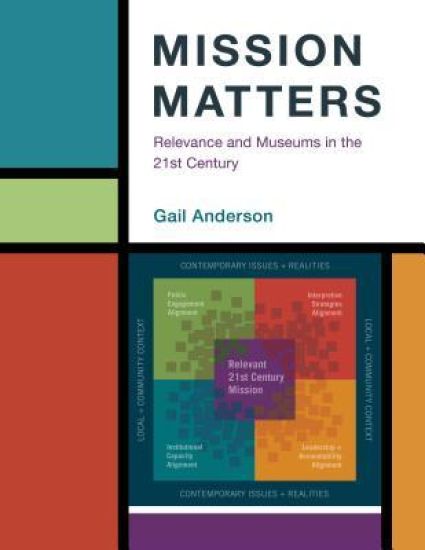
Mission Matters sheds a fresh light on how to envision relevant and impactful museums. Anderson takes the understanding of mission relevance to a new level. The premise of the book makes direct links to external contemporary realities and the need for museums to better position themselves as leaders and change agents in the greater landscape and diversity of people of our times. Anderson illustrates her points with numerous examples from here in the United States and from around the world. Features include thought essays by David Fleming from the UK who tackles the importance of mission and social issues, and Charmaine Jefferson who frames the complexities of cultural competence in the 21st century. Twenty museum leaders each share their institution’s story of transformative change tied to reframing their mission. Anderson’s central tool for the book, the Mission Alignment Framework, helps reference the thinking about missions and the subsequent changes within museums as they redirect their work. Eighty US and international mission statements reveal the range of museums from urban and rural to different types of museums, styles of mission all illustrating relevance in a way unique to their location, institutional capacity, resources, and purpose. Complementing these examples are: guidelines about how to rethink mission; a questioning strategy based on the Mission Alignment Framework; and, a range of useful tools from museums and leading thinkers in the field. Mission Matters is useful to a wide range of readers and users from trustees to directors to staff from a wide range of museums regardless of size and stage of development and maturity. The book is an easily accessible reference for strategic planning, conversations about relevance and missions, and museums considering the reinvention of their museum for greater impact.
Mission Matters

Mission Matters

Gail Anderson

American Alliance Of Museums
2019
nidottu
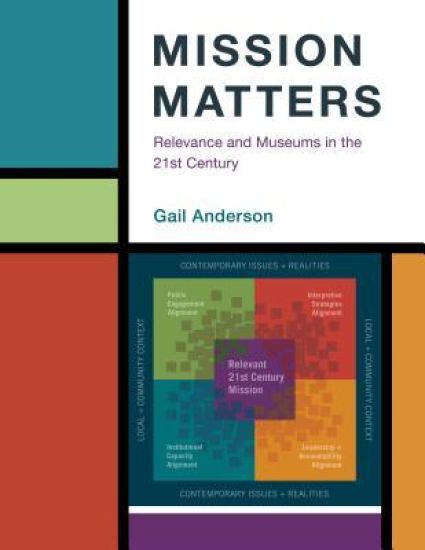
Mission Matters sheds a fresh light on how to envision relevant and impactful museums. Anderson takes the understanding of mission relevance to a new level. The premise of the book makes direct links to external contemporary realities and the need for museums to better position themselves as leaders and change agents in the greater landscape and diversity of people of our times. Anderson illustrates her points with numerous examples from here in the United States and from around the world. Features include thought essays by David Fleming from the UK who tackles the importance of mission and social issues, and Charmaine Jefferson who frames the complexities of cultural competence in the 21st century. Twenty museum leaders each share their institution’s story of transformative change tied to reframing their mission. Anderson’s central tool for the book, the Mission Alignment Framework, helps reference the thinking about missions and the subsequent changes within museums as they redirect their work. Eighty US and international mission statements reveal the range of museums from urban and rural to different types of museums, styles of mission all illustrating relevance in a way unique to their location, institutional capacity, resources, and purpose. Complementing these examples are: guidelines about how to rethink mission; a questioning strategy based on the Mission Alignment Framework; and, a range of useful tools from museums and leading thinkers in the field. Mission Matters is useful to a wide range of readers and users from trustees to directors to staff from a wide range of museums regardless of size and stage of development and maturity. The book is an easily accessible reference for strategic planning, conversations about relevance and missions, and museums considering the reinvention of their museum for greater impact.