Kirjojen hintavertailu. Mukana 11 342 296 kirjaa ja 12 kauppaa.

Kirjahaku

Etsi kirjoja tekijän nimen, kirjan nimen tai ISBN:n perusteella.

5 kirjaa tekijältä Gamze Tanil

Europeanization, Integration and Identity
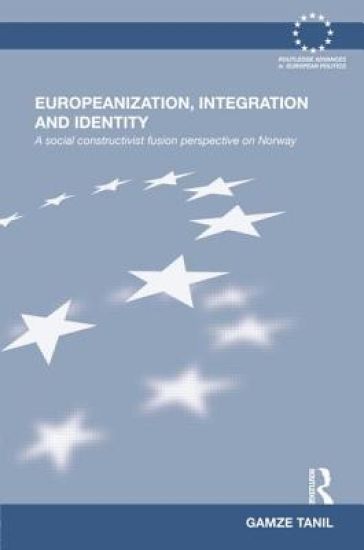
This book analyses how domestic and European structures impact on national actors’ identities, interests and foreign policy practices. Employing Norway as the case study area, the author uses this nation as an example to assess Europeanization and identity politics across the European Union (EU).Utilising an original and innovative approach called ‘social constructivist fusion perspective’, the author addresses Europeanization across several key factors. The author assesses the influence of the EU on ‘half-way member countries’, and the impact of identity politics and domestic structures, which factors contribute to or hinder Europeanization, and attempts to empirically measure Europeanization at the actor level. It analyses the impact of domestic and European structures on the identities, interests, attitudes and foreign policy practices of the Norwegian policy-makers. Whilst contributing to knowledge and literature on how constructivist approaches can be utilized in empirical studies of political elites, this book goes beyond theory to demonstrate that Europeanization is not only institutional, and provides evidence of the influence of identity politics.Europeanization, Integration and Identity will be or interest to students, scholars and policy-makers in the field of European Union politics, international relations, social constructivism and Scandinavian politics.
Europeanization, Integration and Identity
This book analyses how domestic and European structures impact on national actors’ identities, interests and foreign policy practices. Employing Norway as the case study area, the author uses this nation as an example to assess Europeanization and identity politics across the European Union (EU).Utilising an original and innovative approach called ‘social constructivist fusion perspective’, the author addresses Europeanization across several key factors. The author assesses the influence of the EU on ‘half-way member countries’, and the impact of identity politics and domestic structures, which factors contribute to or hinder Europeanization, and attempts to empirically measure Europeanization at the actor level. It analyses the impact of domestic and European structures on the identities, interests, attitudes and foreign policy practices of the Norwegian policy-makers. Whilst contributing to knowledge and literature on how constructivist approaches can be utilized in empirical studies of political elites, this book goes beyond theory to demonstrate that Europeanization is not only institutional, and provides evidence of the influence of identity politics.Europeanization, Integration and Identity will be or interest to students, scholars and policy-makers in the field of European Union politics, international relations, social constructivism and Scandinavian politics.
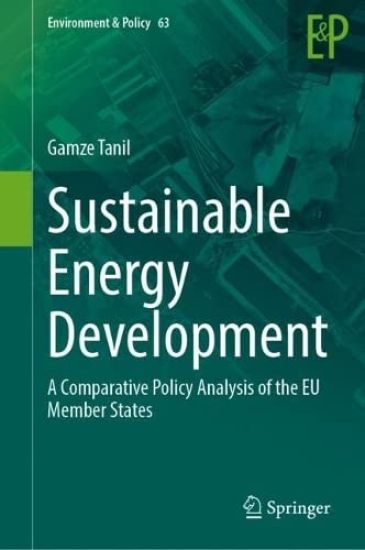
Sustainable Energy Development

Sustainable Energy Development

Gamze Tanil

Springer International Publishing AG
2023
sidottu
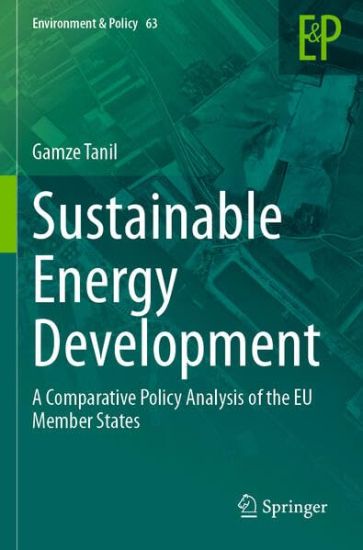
This book investigates how the EU member states’ domestic energy policies have transformed in the last two decades as a consequence of horizontal and vertical integration forces. Integration is a dynamic process where member states adopt community rules, norms, and values, and meanwhile, learn from each other’s experiences. Today, Europe experiences an energy transition from fossil-fuels to cleaner sources of energy and European policy makers are committed to taking this significant step forward. Domestic structural change is, thus, observed in all member states‘ environmental and energy policies. This book presents an overview of the EU norms, legislation, and policy standards for renewable energies and analyses how member states transpose them into their domestic structure. The book also analyses the policy outcomes in the EU member states in a comparative perspective by using the most recent statistical data. This comparative analysis gives insight to investors anddevelopers to decide on investment projects and/or manufacturing of renewable energy devices to these countries. It also provides a useful reference for policy makers, academics, students, and NGOs who need a quick overview of relevant national and EU legislation, policy standards, and policy outcomes.
Sustainable Energy Development

Sustainable Energy Development

Gamze Tanil

Springer International Publishing AG
2024
nidottu
This book investigates how the EU member states’ domestic energy policies have transformed in the last two decades as a consequence of horizontal and vertical integration forces. Integration is a dynamic process where member states adopt community rules, norms, and values, and meanwhile, learn from each other’s experiences. Today, Europe experiences an energy transition from fossil-fuels to cleaner sources of energy and European policy makers are committed to taking this significant step forward. Domestic structural change is, thus, observed in all member states‘ environmental and energy policies. This book presents an overview of the EU norms, legislation, and policy standards for renewable energies and analyses how member states transpose them into their domestic structure. The book also analyses the policy outcomes in the EU member states in a comparative perspective by using the most recent statistical data. This comparative analysis gives insight to investors anddevelopers to decide on investment projects and/or manufacturing of renewable energy devices to these countries. It also provides a useful reference for policy makers, academics, students, and NGOs who need a quick overview of relevant national and EU legislation, policy standards, and policy outcomes.
Why is Norway Outside the European Union?
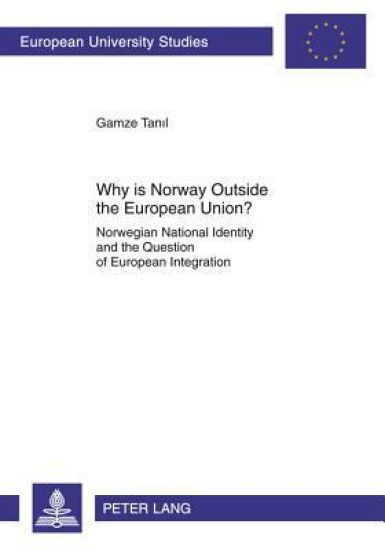
This book introduces identity politics into the analysis of international relations. Through the usage of identification approaches, combined with an extensive presentation of the specific features of Norwegian nation-building, it offers a lucid account of how Norway’s history and culture shape the prism through which many Norwegians view the merits of their country’s relations with the emerging European Union.