Kirjojen hintavertailu. Mukana 11 342 296 kirjaa ja 12 kauppaa.

Kirjahaku

Etsi kirjoja tekijän nimen, kirjan nimen tai ISBN:n perusteella.

5 kirjaa tekijältä Gareth B. Matthews

Socratic Perplexity and the Nature of Philosophy

Socratic Perplexity and the Nature of Philosophy

Gareth B. Matthews

Clarendon Press
1999
sidottu
Gareth Matthews suggests that we can better understand the nature of philosophical inquiry if we recognize the central role played by perplexity. The seminal representation of philosophical perplexity is in Plato's dialogues; Matthews invites us to view this as a response to something inherently problematic in the basic notions that philosophy deals with. He examines the intriguing shifts in Plato's attitude to perplexity and suggests that this development may be seen as an archetypal pattern that philosophers follow even today. So it is that one may be won over to philosophy in the first place by the example of a Socratic teacher who displays an uncanny gift at getting one perplexed about something one thought one understood perfectly well. Later, however, wanting like Plato to move beyond perplexity to produce philosophical 'results', one may be chagrined to discover that one's very best attempt to develop a philosophical theory induces its own perplexity. Then, like late Plato and like Aristotle, the philosopher may seek to 'normalize' perplexity in a way that both allows for progress and yet respects the peculiarly baffling character of philosophical questions.
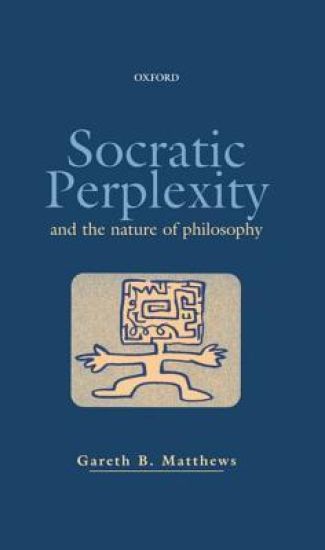
Socratic Perplexity

Socratic Perplexity

Gareth B. Matthews

Oxford University Press
2003
nidottu
Gareth Matthews suggests that we can better understand the nature of philosophical inquiry if we recognize the central role played by perplexity. The seminal representation of philosophical perplexity is in Plato's dialogues; Matthews invites us to view this as a response to something inherently problematic in the basic notions that philosophy deals with. He examines the intriguing shifts in Plato's attitude to perplexity and suggests that this development may be seen as an archetypal pattern that philosophers follow even today. So it is that one may be won over to philosophy in the first place by the example of a Socratic teacher who displays an uncanny gift at getting one perplexed about something one thought one understood perfectly well. Later, however, wanting like Plato to move beyond perplexity to produce philosophical 'results', one may be chagrined to discover that one's very best attempt to develop a philosophical theory induces its own perplexity. Then, like late Plato and like Aristotle, the philosopher may seek to 'normalize' perplexity in a way that both allows for progress and yet respects the peculiarly baffling character of philosophical questions.
Augustine

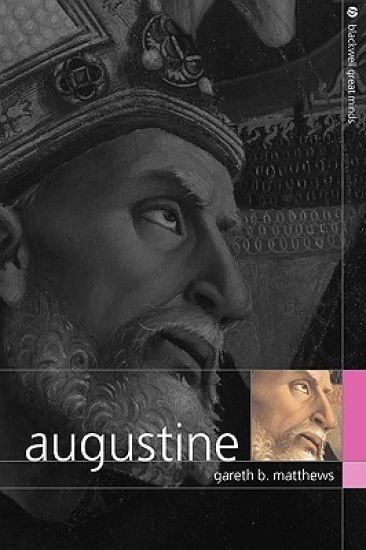
Augustine

Gareth B. Matthews

Blackwell Publishers
2004
nidottu
This lucid survey takes readers on a thought-provoking tour through the life and work of Augustine. Explores new insights into one of antiquity’s most important philosophers Topics Include: skepticism, language acquisition, mind-body dualism, philosophical dream problems, time and creation, faith and reason, foreknowledge and free will, and Augustine’s standing as a ‘Socratic philosopher’.
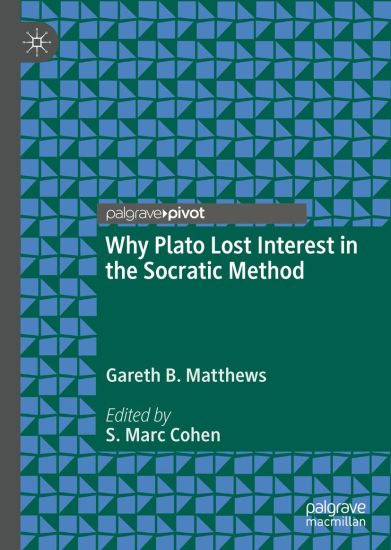
Why Plato Lost Interest in the Socratic Method

Why Plato Lost Interest in the Socratic Method

Gareth B. Matthews

Springer International Publishing AG
2022
sidottu
The Socratic method of questioning and refutation (elenchus) predominates the early Platonic dialogues. But things change in the middle dialogues, as Socrates goes beyond merely asking questions and begins to provide answers to his questions. And the method virtually disappears in the late dialogues. The standard explanation of this phenomenon is that the early dialogues were intended to commemorate Socrates and the elenchus, while in the middle and late dialogues Plato went beyond Socrates to present his own mature philosophical thought. In this book, Matthews revises this explanation by uncovering the shortcomings that Plato came to find in the Socratic method and the reasons why Plato lost interest in it.
Why Plato Lost Interest in the Socratic Method

Why Plato Lost Interest in the Socratic Method

Gareth B. Matthews

Springer International Publishing AG
2023
nidottu
The Socratic method of questioning and refutation (elenchus) predominates the early Platonic dialogues. But things change in the middle dialogues, as Socrates goes beyond merely asking questions and begins to provide answers to his questions. And the method virtually disappears in the late dialogues. The standard explanation of this phenomenon is that the early dialogues were intended to commemorate Socrates and the elenchus, while in the middle and late dialogues Plato went beyond Socrates to present his own mature philosophical thought. In this book, Matthews revises this explanation by uncovering the shortcomings that Plato came to find in the Socratic method and the reasons why Plato lost interest in it.