Kirjojen hintavertailu. Mukana 11 244 527 kirjaa ja 12 kauppaa.

Kirjahaku

Etsi kirjoja tekijän nimen, kirjan nimen tai ISBN:n perusteella.

3 kirjaa tekijältä Gary Pak

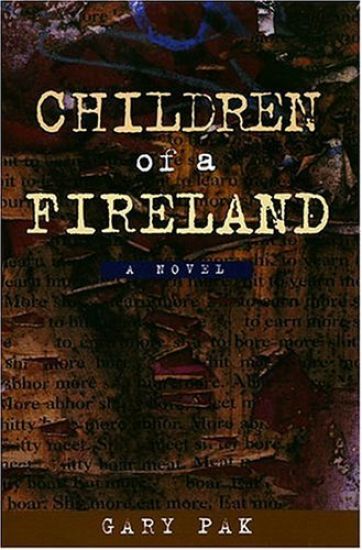
Children of a Fireland

Children of a Fireland

Gary Pak

University of Hawai'i Press
2004
nidottu
The inhabitants of sleepy old Kanewai town are rudely awakened when disturbing messages begin showing up on the wall of the abandoned movie theater. “Harry And Ella Have Not Done It In Eight And A Half Years."" ""Paul Navarro And Cassie Chun Used To Meet Every Thursday In Row Forty-Four."" ""Where Is Dickey Boy Jr.?"" The inhabitants of sleepy old Kanewai town are rudely awakened when these and other disturbing messages begin showing up on the wall of the abandoned movie theater. No one knows who's behind the mischief, but everyone is speculating as frantic attempts are made to cover up the graffiti and repair the damage done to the reputations of friends, family, and the ""victims"" themselves. Is it the ghost of Casey Akana, the theater's original owner, come back to slander the people of Kanewai - in particular Hiram Ching, whose father had bankrupted him in the good old days after the war? Threats, armed vigilantes - nothing can stop the offensive remarks from appearing. After Ching mysteriously drops dead of a heart attack, even the town priest is baffled and gives into pleas for an exorcism. But when Father Fonseca falls to his death from the theater's roof, the townspeople lose their only savior - or so they think until more ugly secrets are revealed and further hypocrisy is exposed.
Brothers Under a Same Sky

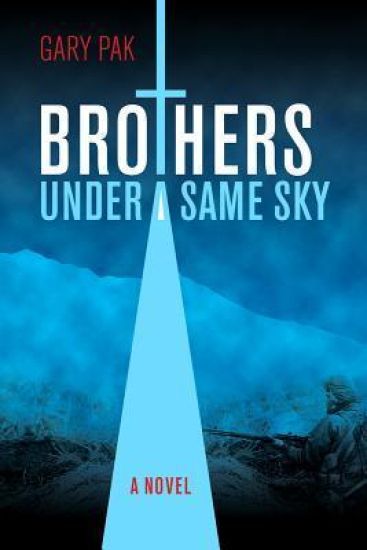
Brothers Under a Same Sky

Gary Pak

University of Hawai'i Press
2013
nidottu
Nam Kun and Nam Ki Han, brothers born on a Wahiawa sugar plantation, could not have been more different. Pragmatic and stubborn, Nam Kun dutifully supported his family but refused to become “one Christian fanatic” like his widowed mother and youngest sibling, Nam Ki. When Nam Ki is drafted into the army at the start of the Korean War, he tells Nam Kun that as a Christian he cannot kill. “You gotta do it”, Nam Kun replies, thinking the war will make a man of this “mama’s boy”. Nam Ki finds refuge from the chaos and brutality of life as a soldier in his love for a young Korean woman, a Christian. He returns after the war to search for her and discovers she has become a prostitute. With his sense of reality shattered, Nam Ki must choose between his faith and all that he has witnessed in war-torn Korea. Brothers under a Same Sky explores the social and psychological turmoil experienced by Korean Americans during and after the war but, more importantly, it examines the individual’s decision to keep—or betray—a fundamental belief in human goodness. Set amid the social and political disruptions and forced separations that have characterized the history of modern Korea, this is the story of a struggle toward healing, unity, and perhaps a reconciliation between love and hatred.
Brothers Under a Same Sky

Brothers Under a Same Sky

Gary Pak

University of Hawai'i Press
2013
sidottu
Nam Kun and Nam Ki Han, brothers born on a Wahiawa sugar plantation, could not have been more different. Pragmatic and stubborn, Nam Kun dutifully supported his family but refused to become “one Christian fanatic” like his widowed mother and youngest sibling, Nam Ki. When Nam Ki is drafted into the army at the start of the Korean War, he tells Nam Kun that as a Christian he cannot kill. “You gotta do it”, Nam Kun replies, thinking the war will make a man of this “mama’s boy”. Nam Ki finds refuge from the chaos and brutality of life as a soldier in his love for a young Korean woman, a Christian. He returns after the war to search for her and discovers she has become a prostitute. With his sense of reality shattered, Nam Ki must choose between his faith and all that he has witnessed in war-torn Korea. Brothers under a Same Sky explores the social and psychological turmoil experienced by Korean Americans during and after the war but, more importantly, it examines the individual’s decision to keep—or betray—a fundamental belief in human goodness. Set amid the social and political disruptions and forced separations that have characterized the history of modern Korea, this is the story of a struggle toward healing, unity, and perhaps a reconciliation between love and hatred.