Kirjojen hintavertailu. Mukana 12 390 323 kirjaa ja 12 kauppaa.

Kirjahaku

Etsi kirjoja tekijän nimen, kirjan nimen tai ISBN:n perusteella.

11 kirjaa tekijältä Gary Waller

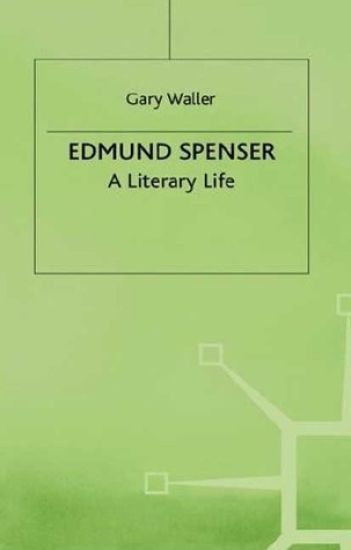
Edmund Spenser

Edmund Spenser

Gary Waller

Palgrave Macmillan
1994
sidottu
Gary Waller surveys Spenser's career in terms of the material conditions of its production - the often overlooked material factors of race, gender, class, agency - and the resonant 'places' which influenced his career - court, church, nation, colony. The book includes an original account of the gender politics of Spenser's work and his difficult position between Ireland and England, the 'homes' about which he held ambivalent feelings. Waller also discusses the 'place' the biographer occupies in writing a literary life.
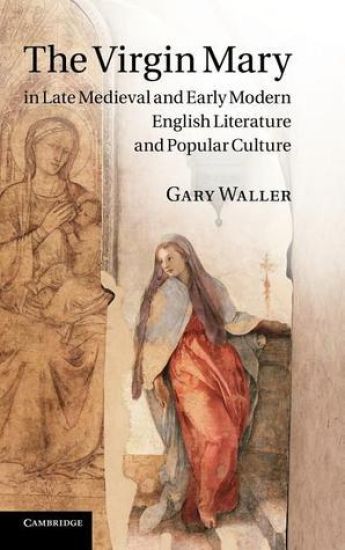
The Virgin Mary in Late Medieval and Early Modern English Literature and Popular Culture
This book was first published in 2011. The Virgin Mary was one of the most powerful images of the Middle Ages, central to people's experience of Christianity. During the Reformation, however, many images of the Virgin were destroyed, as Protestantism rejected the way the medieval Church over-valued and sexualized Mary. Although increasingly marginalized in Protestant thought and practice, her traces and surprising transformations continued to haunt early modern England. Combining historical analysis and contemporary theory, including issues raised by psychoanalysis and feminist theology, Gary Waller examines the literature, theology and popular culture associated with Mary in the transition between late medieval and early modern England. He contrasts a variety of pre-Reformation texts and events, including popular mariology, poetry, tales, drama, pilgrimage and the emerging 'New Learning', with later sixteenth-century ruins, songs, ballads, Petrarchan poetry, the works of Shakespeare and other texts where the Virgin's presence or influence, sometimes surprisingly, can be found.
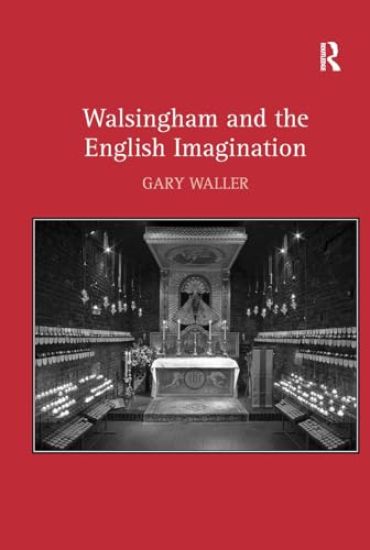
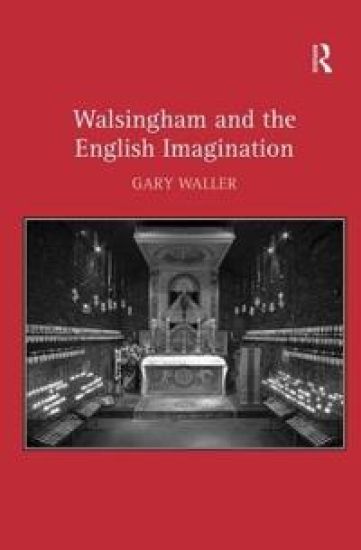
Walsingham and the English Imagination

Walsingham and the English Imagination

Gary Waller

TAYLOR FRANCIS LTD
2024
nidottu
Drawing on history, art history, literary criticism and theory, gender studies, theology and psychoanalysis, this interdisciplinary study analyzes the cultural significance of the Shrine of our Lady of Walsingham, medieval England's most significant pilgrimage site devoted to the Virgin Mary, which was revived in the twentieth century, and in 2006 voted Britain's favorite religious site. Covering Walsingham's origins, destruction, and transformations from the Middle Ages to the present, Gary Waller pursues his investigation not through a standard history but by analyzing the "invented traditions" and varied re-creations of Walsingham by the "English imagination"- poems, fiction, songs, ballads, musical compositions and folk legends, solemn devotional writings and hostile satire which Walsingham has inspired, by Protestants, Catholics, and religious skeptics alike. They include, in early modern England, Erasmus, Ralegh, Sidney, and Shakespeare; then, during Walsingham's long "protestantization" from the sixteenth through nineteenth centuries, ballad revivals, archeological investigations, and writings by Agnes Strickland, Edmund Waterton, and Hopkins; and in the modern period, writers like Eliot, Charles Williams, Robert Lowell, and A.N. Wilson. The concluding chapter uses contemporary feminist theology to view Walsingham not just as a symbol of nostalgia but a place inviting spiritual change through its potential sexual and gender transformation.
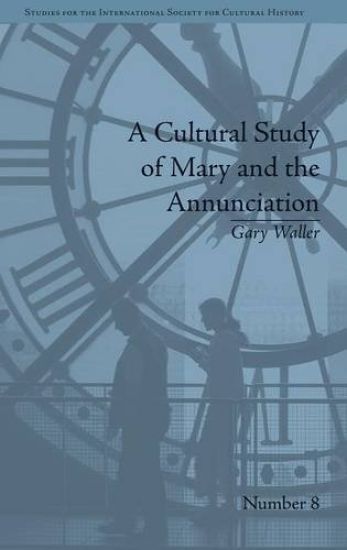
A Cultural Study of Mary and the Annunciation
This book traces the history of the Annunciation, exploring the deep and lasting impact of the event on the Western imagination. Waller explores the Annunciation from its appearance in Luke’s Gospel, to its rise to prominence in religious doctrine and popular culture, and its gradual decline in importance during the Enlightenment.
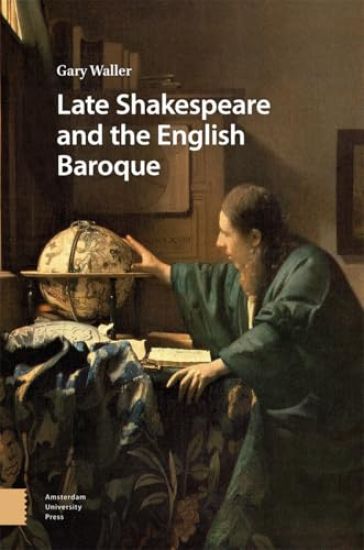
Late Shakespeare and the English Baroque

Late Shakespeare and the English Baroque

Gary Waller

TAYLOR FRANCIS LTD
2025
nidottu
Late Shakespeare and the English Baroque focuses mainly on Shakespeare’s late (or later) works, those written from around 1607. It sets both poetry and plays within the emerging culture of the baroque, the term defined not merely by stylistic features but by the underlying ideological ‘structure of feeling’ of baroque culture in early modern England. The book extends the mode of analysis of The Female Baroque (Amsterdam University Press, 2020) and draws on theoretical work by José Antonio Maravall, Raymond Williams, and Julia Kristeva. It analyzes recurring Baroque characteristics – hyperbole and melancholy, theatricality, gender, and ‘plateauing’. Attention is given to the sonnets and other poems, as well as the tragedies from Hamlet on, and argues that increasingly, tragi-comedy emerges as a distinctively baroque Shakespearean characteristic. In the final chapter, primarily on The Tempest, the late Shakespeare is shown to have philosophical insights parallel to Montaigne or Bruno, and to provide anticipatory connections with later baroque artists like Vermeer.
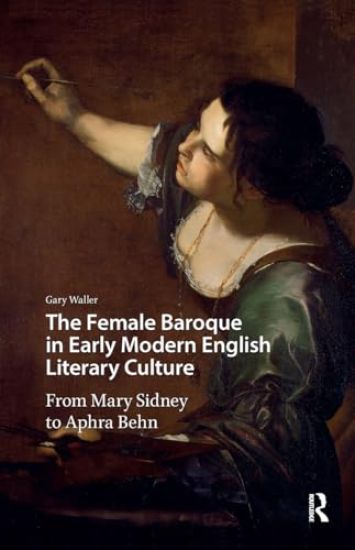
The Female Baroque in Early Modern English Literary Culture
The Female Baroque in Early Modern English Literary Culture is a contribution to the revival of early modern women's writings and cultural production in English that began in the 1980s. Its originality is twofold: it links women's writing in English with the wider context of Baroque culture, and it introduces the issue of gender into discussion of the Baroque. The title comes from Julia Kristeva's study of Teresa of Avila, that 'the secrets of Baroque civilization are female'. The book is built on a schema of recurring Baroque characteristics — narrativity, hyperbole, melancholia, kitsch, and plateauing, pointing less to surface manifestations and more to underlying ideological tensions. The crucial concept of the book is developed in detail. Particular attention is given to Gertrude More, Mary Ward, Aemilia Lanyer, The Ferrar/Collet women, Mary Wroth, the Cavendish sisters, Hester Pulter, Anne Hutchinson, and finally Margaret Cavendish and Aphra Behn, whose lives and writings point to the developing cultural transition to the Enlightenment.
The Virgin Mary in Late Medieval and Early Modern English Literature and Popular Culture
This book was first published in 2011. The Virgin Mary was one of the most powerful images of the Middle Ages, central to people's experience of Christianity. During the Reformation, however, many images of the Virgin were destroyed, as Protestantism rejected the way the medieval Church over-valued and sexualized Mary. Although increasingly marginalized in Protestant thought and practice, her traces and surprising transformations continued to haunt early modern England. Combining historical analysis and contemporary theory, including issues raised by psychoanalysis and feminist theology, Gary Waller examines the literature, theology and popular culture associated with Mary in the transition between late medieval and early modern England. He contrasts a variety of pre-Reformation texts and events, including popular mariology, poetry, tales, drama, pilgrimage and the emerging 'New Learning', with later sixteenth-century ruins, songs, ballads, Petrarchan poetry, the works of Shakespeare and other texts where the Virgin's presence or influence, sometimes surprisingly, can be found.
Walsingham and the English Imagination

Walsingham and the English Imagination

Gary Waller

Ashgate Publishing Limited
2011
sidottu
Drawing on history, art history, literary criticism and theory, gender studies, theology and psychoanalysis, this interdisciplinary study analyzes the cultural significance of the Shrine of our Lady of Walsingham, medieval England's most significant pilgrimage site devoted to the Virgin Mary, which was revived in the twentieth century, and in 2006 voted Britain's favorite religious site. Covering Walsingham's origins, destruction, and transformations from the Middle Ages to the present, Gary Waller pursues his investigation not through a standard history but by analyzing the "invented traditions" and varied re-creations of Walsingham by the "English imagination"- poems, fiction, songs, ballads, musical compositions and folk legends, solemn devotional writings and hostile satire which Walsingham has inspired, by Protestants, Catholics, and religious skeptics alike. They include, in early modern England, Erasmus, Ralegh, Sidney, and Shakespeare; then, during Walsingham's long "protestantization" from the sixteenth through nineteenth centuries, ballad revivals, archeological investigations, and writings by Agnes Strickland, Edmund Waterton, and Hopkins; and in the modern period, writers like Eliot, Charles Williams, Robert Lowell, and A.N. Wilson. The concluding chapter uses contemporary feminist theology to view Walsingham not just as a symbol of nostalgia but a place inviting spiritual change through its potential sexual and gender transformation.
A Cultural Study of Mary and the Annunciation

A Cultural Study of Mary and the Annunciation

Gary Waller

Pickering Chatto (Publishers) Ltd
2015
sidottu
This book traces the history of the Annunciation, exploring the deep and lasting impact of the event on the Western imagination. Waller explores the Annunciation from its appearance in Luke’s Gospel, to its rise to prominence in religious doctrine and popular culture, and its gradual decline in importance during the Enlightenment.
Late Shakespeare and the English Baroque

Late Shakespeare and the English Baroque

Gary Waller

AMSTERDAM UNIVERSITY PRESS
2024
sidottu
Late Shakespeare and the English Baroque focuses mainly on Shakespeare’s late (or later) works, those written from around 1607. It sets both poetry and plays within the emerging culture of the baroque, the term defined not merely by stylistic features but by the underlying ideological ‘structure of feeling’ of baroque culture in early modern England. The book extends the mode of analysis of The Female Baroque (Amsterdam University Press, 2020) and draws on theoretical work by José Antonio Maravall, Raymond Williams, and Julia Kristeva. It analyzes recurring Baroque characteristics – hyperbole and melancholy, theatricality, gender, and ‘plateauing’. Attention is given to the sonnets and other poems, as well as the tragedies from Hamlet on, and argues that increasingly, tragi-comedy emerges as a distinctively baroque Shakespearean characteristic. In the final chapter, primarily on The Tempest, the late Shakespeare is shown to have philosophical insights parallel to Montaigne or Bruno, and to provide anticipatory connections with later baroque artists like Vermeer.
The Female Baroque in Early Modern English Literary Culture
The Female Baroque in Early Modern English Literary Culture is a contribution to the revival of early modern women’s writings and cultural production in English that began in the 1980s. Its originality is twofold: it links women’s writing in English with the wider context of Baroque culture, and it introduces the issue of gender into discussion of the Baroque. The title comes from Julia Kristeva’s study of Teresa of Avila, that ‘the secrets of Baroque civilization are female’. The book is built on a schema of recurring Baroque characteristics — narrativity, hyperbole, melancholia, kitsch, and plateauing, pointing less to surface manifestations and more to underlying ideological tensions. The crucial concept of the book is developed in detail. Particular attention is given to Gertrude More, Mary Ward, Aemilia Lanyer, The Ferrar/Collet women, Mary Wroth, the Cavendish sisters, Hester Pulter, Anne Hutchinson, and finally Margaret Cavendish and Aphra Behn, whose lives and writings point to the developing cultural transition to the Enlightenment.