Kirjojen hintavertailu. Mukana 11 244 527 kirjaa ja 12 kauppaa.

Kirjahaku

Etsi kirjoja tekijän nimen, kirjan nimen tai ISBN:n perusteella.

2 kirjaa tekijältä Gavin Kelly

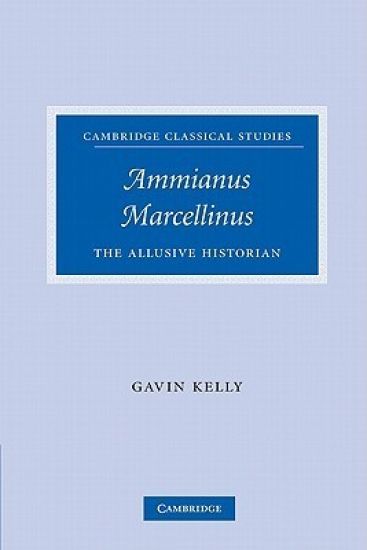
Ammianus Marcellinus

Ammianus Marcellinus

Gavin Kelly

Cambridge University Press
2011
pokkari
Ammianus Marcellinus is usually regarded as our most important source for the history of the second half of the fourth century AD, while his literary qualities are neglected. This book demonstrates what a subtle and manipulative writer Ammianus is; attention is paid particularly to his rich and variegated intertextuality with earlier classical literature and history. Questioning the prevailing interest in the historian's life as the key to his work, Dr Kelly evaluates the historiographical function of the vivid and thrilling autobiographical passages. The range of Ammianus' allusions is surveyed, including his use of classical examples, his relationship with historical source-texts and the workings of internal echoes within the history. His interactions with other texts are seen as carefully controlled and meaningful; and both his allusive techniques and writing in general, it is argued, are better viewed as reflecting a classical, rather than a late antique, aesthetic.
Ammianus Marcellinus

Ammianus Marcellinus

Gavin Kelly

Cambridge University Press
2008
sidottu
Ammianus Marcellinus is usually regarded as our most important source for the history of the second half of the fourth century AD, while his literary qualities are neglected. This book demonstrates what a subtle and manipulative writer Ammianus is; attention is paid particularly to his rich and variegated intertextuality with earlier classical literature and history. Questioning the prevailing interest in the historian's life as the key to his work, Dr Kelly evaluates the historiographical function of the vivid and thrilling autobiographical passages. The range of Ammianus' allusions is surveyed, including his use of classical examples, his relationship with historical source-texts and the workings of internal echoes within the history. His interactions with other texts are seen as carefully controlled and meaningful; and both his allusive techniques and writing in general, it is argued, are better viewed as reflecting a classical, rather than a late antique, aesthetic.