Kirjojen hintavertailu. Mukana 12 016 292 kirjaa ja 12 kauppaa.

Kirjahaku

Etsi kirjoja tekijän nimen, kirjan nimen tai ISBN:n perusteella.

4 kirjaa tekijältä Gavin Stamp

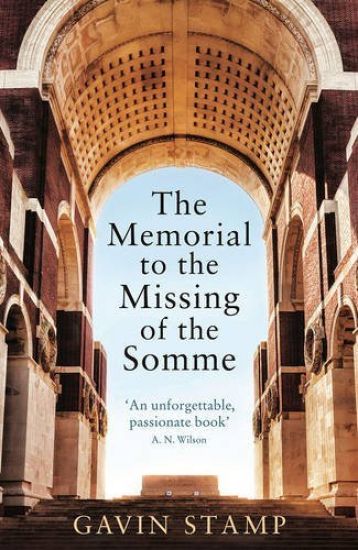
The Memorial to the Missing of the Somme

The Memorial to the Missing of the Somme

Gavin Stamp

Profile Books Ltd
2016
pokkari
Edwin Lutyens' Memorial to the Missing of the Somme at Thiepval in Northern France, visited annually by tens of thousands of tourists, is arguably the finest structure erected by any British architect in the twentieth century. It is the principal, tangible expression of the defining event in Britain's experience and memory of the Great War, the first day of the Battle of the Somme on 1 July 1916, and it bears the names of 73,000 soldiers whose bodies were never found at the end of that bloody and futile campaign. This brilliant study by an acclaimed architectural historian tells the origin of the memorial in the context of commemorating the war dead; it considers the giant classical brick arch in architectural terms, and also explores its wider historical significance and its resonances today. So much of the meaning of the twentieth century is concentrated here; the Thiepval Memorial to the Missing casts a shadow into the future, a shadow which extends beyond the dead of the Holocaust, to the Gulag, to the 'disappeared' of South America and of Tianenmen. Reissued in a beautiful and striking new edition for the centenary of the Somme.
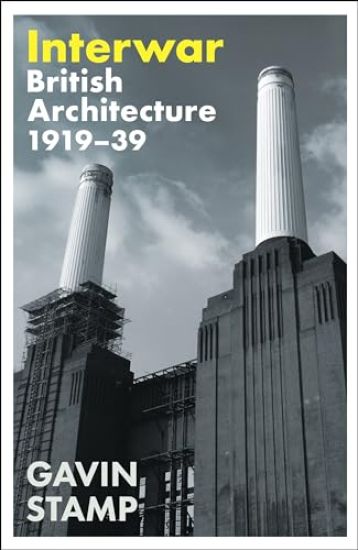
Interwar

Interwar

Gavin Stamp

Profile Books Ltd
2024
sidottu
A FINANCIAL TIMES BOOK OF THE YEAR 2024 A Country Life 'Architecture Book to Read in 2025' 'Majestic ... [an] excitable, illuminating and sure to be enduring work' Financial Times 'Elegant, erudite and entertaining ... a superbly detailed picture of an architectural era' The Times 'A magnificent monument in itself to a fine architectural writer' Simon Heffer, Telegraph British architecture between the wars is most famous for the rise of modernism - the flat roofs, clean lines and concrete of the Isokon flats in Hampstead and the Penguin Pool at London Zoo - but the reality was far more diverse. As the modernists came of age and the traditionalists began to decline, there arose a rich variety of styles and tastes in Britain and across the empire, a variety that reflected the restless zeitgeist of the years before the Second World War. At the time of his death in 2017, Gavin Stamp, one of Britain's leading architectural critics, was at work on a deeply considered account of British architecture in the interwar period, correcting what he saw as the skewed view of earlier historians who were unable to see past modernism. Beginning with a survey of the modern movement after the armistice, Interwar untangles the threads that link lesser-known movements like the Egyptian revival with the enduring popularity of the Tudorbethan, to chronicle one of Britain's most dynamic architectural periods. The result is more than an architectural history - it is the portrait of a changing nation. As an account of the period that still shapes much of Britain's towns and cities, Gavin Stamp's final work is the definitive history of British architecture between the Great War and the Blitz.
Interwar

Interwar

Gavin Stamp

Profile Books Ltd
2025
nidottu
A FINANCIAL TIMES BOOK OF THE YEAR 2024 A Country Life 'Architecture Book to Read in 2025' 'Elegant, erudite and entertaining ... a superbly detailed picture of an architectural era' The Times 'A magnificent monument in itself to a fine architectural writer' Simon Heffer, Telegraph British architecture between the wars is most famous for the rise of modernism - the flat roofs, clean lines and concrete of the Isokon flats in Hampstead and the Penguin Pool at London Zoo - but the reality was far more diverse. As the modernists came of age and the traditionalists began to decline, there arose a rich variety of styles and tastes in Britain and across the empire, a variety that reflected the restless zeitgeist of the years before the Second World War. At the time of his death in 2017, Gavin Stamp, one of Britain's leading architectural critics, was at work on a deeply considered account of British architecture in the interwar period, correcting what he saw as the skewed view of earlier historians who were unable to see past modernism. Beginning with a survey of the modern movement after the armistice, Interwar untangles the threads that link lesser-known movements like the Egyptian revival with the enduring popularity of the Tudorbethan, to chronicle one of Britain's most dynamic architectural periods. The result is more than an architectural history - it is the portrait of a changing nation. As an account of the period that still shapes much of Britain's towns and cities, Gavin Stamp's final work is the definitive history of British architecture between the Great War and the Blitz.
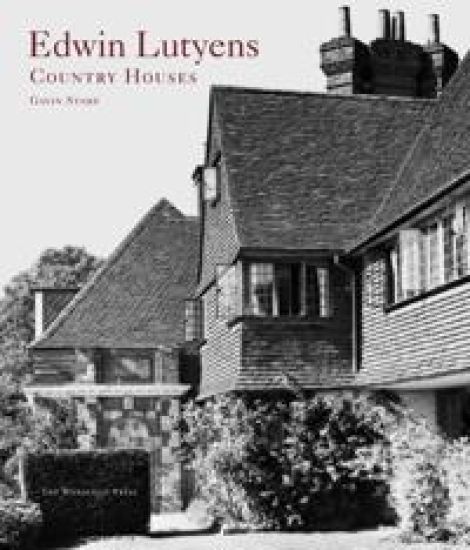
Edwin Lutyens

Edwin Lutyens

Gavin Stamp

Monacelli Press
2009
sidottu
Edwin Lutyens (1869–1944), perhaps the greatest British architect of the twentieth century, was introduced by garden designer Gertrude Jekyll, his celebrated collaborator, to Edward Hudson, the founder of the great British magazine Country Life, in 1889. Hudson thereafter did all he could to promote the work of a man he admired without reservation, commissioning Lutyens to design the magazine’s of?ces in Covent Garden in 1904, as well as three country houses. Country Life published articles about virtually all his buildings shortly after their completion, recording them as the architect intended, creating an unparalleled visual archive which is the source for this selection of outstanding photographs of Lutyens’s domestic architecture. Gavin Stamp’s authoritative introduction places Lutyens ?rmly among the giants of architecture: ‘an architect of rare genius and humanity.’ His selection of twenty-two houses, representative of all the phases of Lutyens’s career, illustrates the architect’s dual achievements as a renewer of both vernacular tradition and of the Classical language of architecture. Debate continues about Lutyens’s place in modern architecture, but his legacy of some of the most inventive and romantic examples of British domestic architecture is unquestionable. There are superb examples of his Surrey vernacular style (with its gables, timber, and sweeping planes of tiled roof), such as Fulbrook House—one of his earliest masterpieces; Deanery Garden, designed with the garden in mind for Hudson; early Arts and Crafts houses, such as Goddards and Little Thakeham; his carefully composed Classical houses, such as Heathcote, and his grandest country house of all, Middleton Park, built between the two World Wars. Here, too, are examples of his brilliant enlargements and alterations to existing buildings, such as Lindisfarne Castle, and his creation of the epitome of castle style: Castle Drogo. This pictorial survey culminates in Lutyens’s most famous creation: Viceroy’s House in New Delhi, one of the greatest buildings in the world. Founded in 1897, Country Life from the outset published remarkable photographs, and the huge in?uence the magazine exerted was nowhere more apparent than in its unprecedented championship of Edwin Lutyens, whose buildings it promoted for almost ?fty years. For this book, two hundred photographs have been beautifully reproduced from the Country Life archive and, combined with Gavin Stamp’s illuminating essay, provide a unique survey of one of Britain’s foremost architects.