Kirjojen hintavertailu. Mukana 12 049 696 kirjaa ja 12 kauppaa.

Kirjahaku

Etsi kirjoja tekijän nimen, kirjan nimen tai ISBN:n perusteella.

13 kirjaa tekijältä Geoff Dean

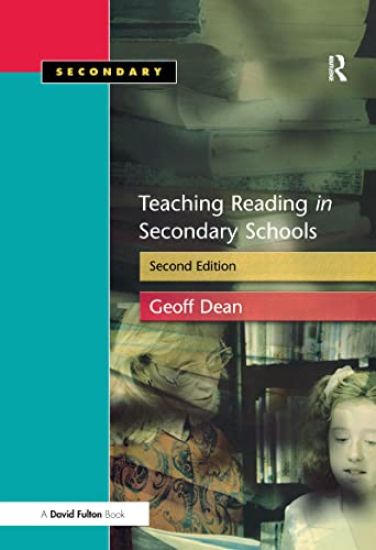
Teaching Reading in the Secondary Schools
This book outlines several approaches to reading which challenge former classroom practices. It is through these approaches that all students - from reluctant boys to the most able of either gender - can continue to grow as readers and develop their readiness to seek meaning in texts.
Challenging the More Able Language User
This revised and updated edition takes into account the greater recognition of language users in schools and the working parties which have been set up to enable the more able to enjoy opportunities to display and develop their special talents. This new edition also explores models of language learning and offers some strands of linguistic development on which teachers of English/literacy can build more specific developmental intentions.This book will help teachers recognize, challenge and support children who show advanced skills in reading and writing so that they can enable them to achieve their full potential. Through exploring effective ways in which pupils can be assisted to develop linguistically, teachers will be better prepared for planning appropriately differentiated activities for these pupils. Areas covered include methods of challenging and improving able readers and writers, and learning from alternative text sources.The book will be particularly helpful to language coordinators in primary schools, heads of English departments and teachers of English in secondary schools. It will also be of interest to parents of able language users.
Teaching English in the Key Stage 3 Literacy Strategy
This book will supplement the training currently being offered to all secondary English departments. It offers a view of the place of the English 'strand' in the overall Key Stage 3 strategy and gives support to English departments in their preparations for a new way of working. It will encourage English teachers to review their current schemes of work, offering suggestions for more substantial teaching and learning modules, as well as practical ideas for classroom use and recommended resources. The book interprets and explains the NLS document for busy practitioners; reinforces the messages of the National Literacy Strategy (NLS); spells out the expectations of the framework and offer guidance on how to fulfil them; and describes and explains the types of teaching methods to improve students' learning. This book includes many practical ideas for classroom activities and offers direct support for the less confident English teacher. The book is equally valuable to students and practicing teachers.
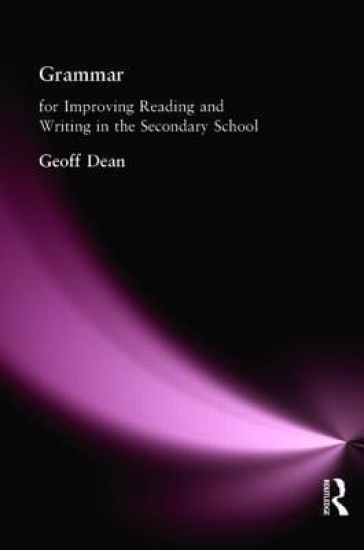
Grammar for Improving Writing and Reading in Secondary School
This practical book is chiefly intended to help English teachers tackle an area of the new English programme that causes anxiety and about which a large proportion are still uncertain: grammar. Grammar has been an uncertain classroom topic for many years; taught often as a duty, without real progression. In this book, the latest knowledge about grammar is treated as a central component of the meaning making process, in both reading and writing. Pupils can become better readers and write with greater confidence and control as a result of using this approach to grammar. Teachers of other subjects may also benefit from knowing how to integrate some grammatical teaching into the textual interactions of their lessons.
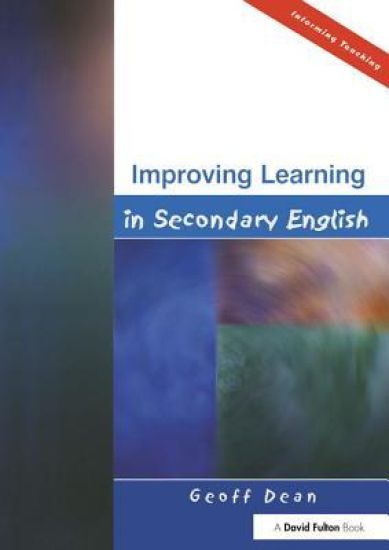
Improving Learning in Secondary English
Focusing on how teachers can improve the ways in which they plan their lessons, this book demonstrates how careful planning allows the further development of learning approaches. The author presents a clear understanding of how these approaches can be used by the teacher to assess themselves and their students learning through: careful consideration of how certain approaches to learning can improve a student‘s grasp of reading, writing, speaking and listening discussions on how theories and research from leading experts can be applied in the classroom advice on how to use government strategies and ultimately work beyond them to develop learning in the classroom an examination of learning for children of different abilities. Helping teachers to develop good practice and understanding of learning in a familiar subject context, this book is essential for all those concerned in the teaching of secondary English.
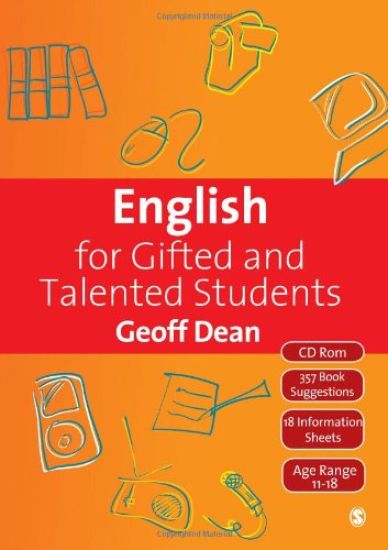
English for Gifted and Talented Students

English for Gifted and Talented Students

Geoff Dean

SAGE Publications Inc
2008
sidottu
'Geoff Dean's English for Gifted and Talented Students 11-18 is a principled and pragmatic book that will provide Heads of Department with a foundation in this important area of curriculum development' - English Drama Media 'The really surprising thing about Geoff Dean's book is that you come away from it with more than you expected....[This] book shows the English teacher how to plan for and deliver those life-changing moments in the classroom' - G & T Update Includes CD-Rom `This is a sourcebook of ideas and gives valuable information about the latest research on learning and teaching, as well as signposting the way forward in providing for the most able in English. It recognises the questions posed by new technologies, and gives guidance on how to harness these changes to help equip talented young people for life in the twenty first century' - Jude Brigley, Director of Learning and Teaching at Cardiff High School, and Chair of NACE CYMRU Are you stuck for ways to stretch your best English students? By focusing on what excites and motivates all learners, this book provides you with a clear guide to ensuring sound provision for your gifted and talented students. Included is advice on: o how to identify more able students o what to do to get other staff on board o successful strategies for working with more able students o using ICT effectively in lessons and activities o how to measure students' progress o personalised learning There is an accompanying CD which contains photocopiable material which will help you plan your lessons and departmental strategy.
English for Gifted and Talented Students

English for Gifted and Talented Students

Geoff Dean

SAGE Publications Inc
2008
nidottu
'Geoff Dean's English for Gifted and Talented Students 11-18 is a principled and pragmatic book that will provide Heads of Department with a foundation in this important area of curriculum development' - English Drama Media 'The really surprising thing about Geoff Dean's book is that you come away from it with more than you expected....[This] book shows the English teacher how to plan for and deliver those life-changing moments in the classroom' - G & T Update Includes CD-Rom `This is a sourcebook of ideas and gives valuable information about the latest research on learning and teaching, as well as signposting the way forward in providing for the most able in English. It recognises the questions posed by new technologies, and gives guidance on how to harness these changes to help equip talented young people for life in the twenty first century' - Jude Brigley, Director of Learning and Teaching at Cardiff High School, and Chair of NACE CYMRU Are you stuck for ways to stretch your best English students? By focusing on what excites and motivates all learners, this book provides you with a clear guide to ensuring sound provision for your gifted and talented students. Included is advice on: o how to identify more able students o what to do to get other staff on board o successful strategies for working with more able students o using ICT effectively in lessons and activities o how to measure students' progress o personalised learning There is an accompanying CD which contains photocopiable material which will help you plan your lessons and departmental strategy.
Grammar for Improving Writing and Reading in Secondary School
This practical book is chiefly intended to help English teachers tackle an area of the new English programme that causes anxiety and about which a large proportion are still uncertain: grammar. Grammar has been an uncertain classroom topic for many years; taught often as a duty, without real progression. In this book, the latest knowledge about grammar is treated as a central component of the meaning making process, in both reading and writing. Pupils can become better readers and write with greater confidence and control as a result of using this approach to grammar. Teachers of other subjects may also benefit from knowing how to integrate some grammatical teaching into the textual interactions of their lessons.
Improving Learning in Secondary English

Improving Learning in Secondary English

Geoff Dean

David Fulton Publishers Ltd
2004
nidottu
Focusing on how teachers can improve the ways in which they plan their lessons, this book demonstrates how careful planning allows the further development of learning approaches. The author presents a clear understanding of how these approaches can be used by the teacher to assess themselves and their students’ learning through: careful consideration of how certain approaches to learning can improve a student’s grasp of reading, writing, speaking and listening discussions on how theories and research from leading experts can be applied in the classroom advice on how to use government strategies and ultimately work beyond them to develop learning in the classroom an examination of learning for children of different abilities.Helping teachers to develop good practice and understanding of learning in a familiar subject context, this book is essential for all those concerned in the teaching of secondary English.
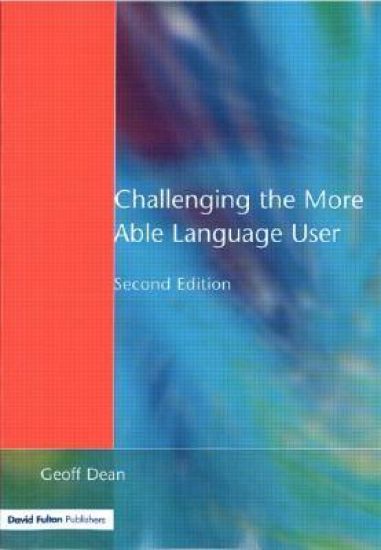
Challenging the More Able Language User

Challenging the More Able Language User

Geoff Dean

David Fulton Publishers Ltd
2001
nidottu
This revised and updated edition takes into account the greater recognition of language users in schools and the working parties which have been set up to enable the more able to enjoy opportunities to display and develop their special talents. This new edition also explores models of language learning and offers some strands of linguistic development on which teachers of English/literacy can build more specific developmental intentions.This book will help teachers recognize, challenge and support children who show advanced skills in reading and writing so that they can enable them to achieve their full potential. Through exploring effective ways in which pupils can be assisted to develop linguistically, teachers will be better prepared for planning appropriately differentiated activities for these pupils. Areas covered include methods of challenging and improving able readers and writers, and learning from alternative text sources.The book will be particularly helpful to language coordinators in primary schools, heads of English departments and teachers of English in secondary schools. It will also be of interest to parents of able language users.
Teaching English in the Key Stage 3 Literacy Strategy

Teaching English in the Key Stage 3 Literacy Strategy

Geoff Dean

David Fulton Publishers Ltd
2002
nidottu
This book will supplement the training currently being offered to all secondary English departments. It offers a view of the place of the English 'strand' in the overall Key Stage 3 strategy and gives support to English departments in their preparations for a new way of working. It will encourage English teachers to review their current schemes of work, offering suggestions for more substantial teaching and learning modules, as well as practical ideas for classroom use and recommended resources. The book interprets and explains the NLS document for busy practitioners; reinforces the messages of the National Literacy Strategy (NLS); spells out the expectations of the framework and offer guidance on how to fulfil them; and describes and explains the types of teaching methods to improve students' learning. This book includes many practical ideas for classroom activities and offers direct support for the less confident English teacher. The book is equally valuable to students and practicing teachers.
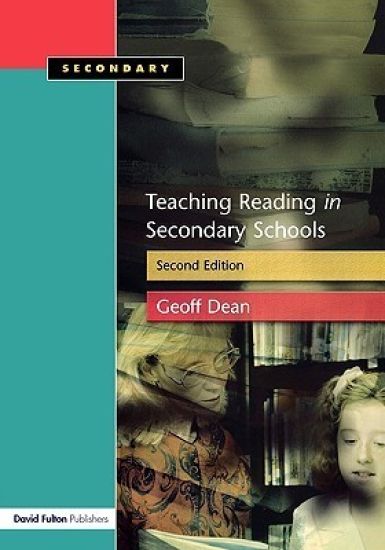
Teaching Reading in the Secondary Schools

Teaching Reading in the Secondary Schools

Geoff Dean

David Fulton Publishers Ltd
2005
nidottu
This book outlines several approaches to reading which challenge former classroom practices. It is through these approaches that all students - from reluctant boys to the most able of either gender - can continue to grow as readers and develop their readiness to seek meaning in texts.
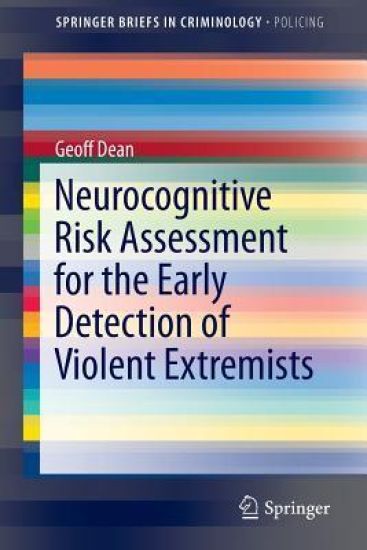
Neurocognitive Risk Assessment for the Early Detection of Violent Extremists
This Brief provides a theoretical and conceptual development of a new Risk Assessment Toolbox (RAT) for the early detection of violent extremists. It is based on a neurocognitive perspective, conceptualized as ‘neuroplasticity-in-action’ arising from brain-based neural patterns expressed in mind-based cognitive pathways likely to form a mind-set of violent extremism. This neurocognitive-based Risk Assessment Toolbox (RAT) is comprised of two distinct components: a cognitive indicators instrument that serves as an early detection checklist for trained practitioners, and a software visualisation program. The Brief includes: A framework of contemporary approaches to the risk assessment of violence as well as the background context for the current research project on ‘violent extremism’ and its related concepts of ‘terrorism’ and ‘radicalisation,’ out of which the RAT was developed. A detailed overview of RAT and a pilot case study experiment to highlight the practical value and utility of this neurocognitive Risk Assessment Toolbox. Preliminary research findings of a study conducted with a sample of recognized experts (academics and practitioners) in several countries around the world, to fine tune and validate the risk parameters of the two components that constitute RAT (Risk Assessment Toolbox). The current stage of development of RAT as a practitioner-based system for the early detection of potentially violent extremists as well as its strategic intelligence implications for using a neurocognitive risk assessment approach to violent extremism is discussed. Research limitations and plans for future research studies.This work will be of interest to researchers in Criminology and Criminal Justice interested in studying violent extremism, terrorism and crime prevention and intervention and policing, as well as researchers in related fields of Forensic Psychology, Cognitive Neuroscience and Social Work or SocialIntervention.