Kirjojen hintavertailu. Mukana 11 244 527 kirjaa ja 12 kauppaa.

Kirjahaku

Etsi kirjoja tekijän nimen, kirjan nimen tai ISBN:n perusteella.

19 kirjaa tekijältä Geoff King

Secrets of Selling, The

Secrets of Selling, The

Geoff King

FT Publishing International
2010
nidottu
Want to beat your sales target? Buy this book. The new edition of this highly successful sales bible is full of practical tips, tricks and advice and now comes in a smaller, more accessible package. The Secrets of Selling, 2nd edition covers all the key areas in a concise and snappy style and is easy to navigate - essential features for the time pressured modern sales professional. It covers the full range of situations that sales people at all levels will encounter, from how to size up your prospective client quickly, to the best time to mention your price. It has a genuinely practical approach - providing you with the tips, tricks and techniques that will help you improve your sales performance. This new edition has been completely revised and updated throughout. Key changes include:. Summaries, in the form of checklists included at each of the three sections.A chapter on Body Language, including new information on how to spot lying.New information on icebreakers in meetings.
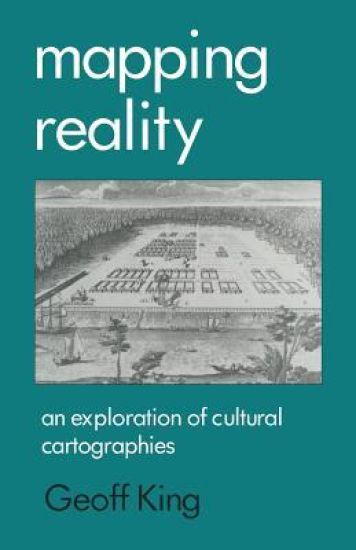
Mapping Reality

Mapping Reality

Geoff King

Palgrave Macmillan
1996
nidottu
An original and wide-ranging study of the mappings used to impose meaning on the world, Mapping Reality argues that maps create rather than merely represent the ground on which they rest. Distinctions between map and territory questioned by some theorists of the postmodern have always been arbitrary. From the history of cartography to the mappings of culture, sexuality and nation, Geoff King draws on an extensive range of materials, including mappings imposed in the colonial settlement of America, the Cold War, Vietnam and the events since the collapse of the Soviet bloc. He argues for a deconstruction of the opposition between map and territory to allow dominant mappings to be challenged, their contours redrawn and new grids imposed.
Mapping Reality

Mapping Reality

Geoff King

PALGRAVE MACMILLAN
1996
nidottu
An original and wide-ranging study of the mappings used to impose meaning on the world, Mapping Reality argues that maps create rather than merely represent the ground on which they rest. Distinctions between map and territory questioned by some theorists of the postmodern have always been arbitrary. From the history of cartography to the mappings of culture, sexuality and nation, Geoff King draws on an extensive range of materials, including mappings imposed in the colonial settlement of America, the Cold War, Vietnam and the events since the collapse of the Soviet bloc. He argues for a deconstruction of the opposition between map and territory to allow dominant mappings to be challenged, their contours redrawn and new grids imposed.
Lost in Translation

Lost in Translation

Geoff King

Edinburgh University Press
2010
sidottu
Elusive, subtle and atmospheric, Lost in Translation was one of the indie hits of 2004, earning widespread critical praise, awards and success at the box office. But what was the basis of its appeal and how exactly is the film marked as a distinctly independent work? This book, by a leading authority on contemporary American indie cinema, provides an in-depth analysis of the balance of more and less mainstream qualities offered by the film at all levels, from industrial factors such as funding, marketing and release strategy to formal qualities such as its low-key narrative structure and the impressionistic use of imagery and music. Other issues examined in detail include the role of stardom, particularly the role of Bill Murray, the distinctive 'auteur' contribution made by writer-director Sofia Coppola and the film's ambiguous relationship with the romantic comedy genre. Textual and industrial analysis is also supplemented by consideration of online responses to the film that offer insights into the various ways in which it was either appreciated or rejected by viewers. Key Features * A unique attempt to pin down the precise nature of the film and its appeal to viewers * A major contribution to our understanding of the contemporary American indie film landscape * Written by a leading authority on American indie film
Lost in Translation

Lost in Translation

Geoff King

Edinburgh University Press
2010
nidottu
Elusive, subtle and atmospheric, Lost in Translation was one of the indie hits of 2004, earning widespread critical praise, awards and success at the box office. But what was the basis of its appeal and how exactly is the film marked as a distinctly independent work? This book, by a leading authority on contemporary American indie cinema, provides an in-depth analysis of the balance of more and less mainstream qualities offered by the film at all levels, from industrial factors such as funding, marketing and release strategy to formal qualities such as its low-key narrative structure and the impressionistic use of imagery and music. Other issues examined in detail include the role of stardom, particularly the role of Bill Murray, the distinctive 'auteur' contribution made by writer-director Sofia Coppola and the film's ambiguous relationship with the romantic comedy genre. Textual and industrial analysis is also supplemented by consideration of online responses to the film that offer insights into the various ways in which it was either appreciated or rejected by viewers. Key Features * A unique attempt to pin down the precise nature of the film and its appeal to viewers * A major contribution to our understanding of the contemporary American indie film landscape * Written by a leading authority on American indie film
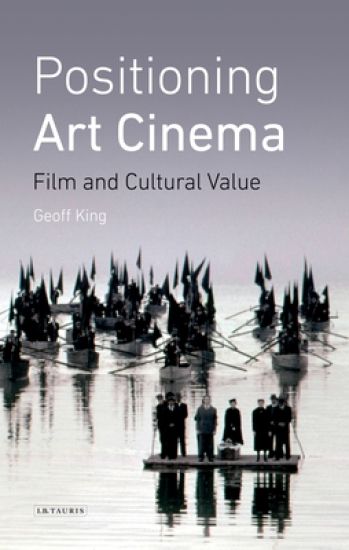
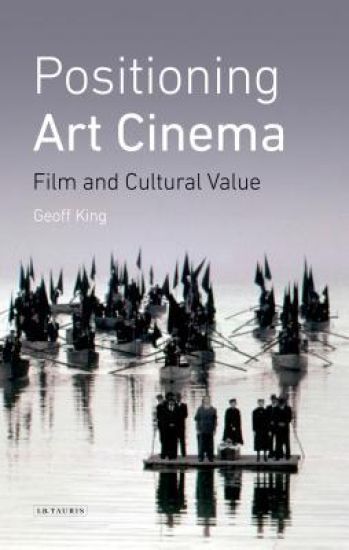
Positioning Art Cinema

Positioning Art Cinema

Geoff King

Bloomsbury Academic
2022
nidottu
From films that claim the status of harsh realism to others which embody aspects of the tradition of modernism or the poetic, art cinema encompasses a variety of work from across the globe. But how is art cinema positioned in the film marketplace, or by critics and in academic analysis? Exactly what kinds of cultural value are attributed to films of this type and how can this be explained? This book offers a unique analysis of how such processes work, including the broader cultural basis of the appeal of art cinema to particular audiences.Geoff King argues that there is no single definition of art cinema, but a number of distinct and recurrent tendencies are identified. At one end of the spectrum are films accorded the most ‘heavyweight’ status, offering the greatest challenges to viewers. Others mix aspects of art cinema with more accessible dimensions such as uses of popular genre frameworks and ‘exploitation’ elements involving explicit sex and violence. Including case studies of key figures such as Michael Haneke, Pedro Almodóvar and Jean-Pierre and Luc Dardenne, this is a crucial contribution to understanding both art cinema itself and the discourses through which its value is established.
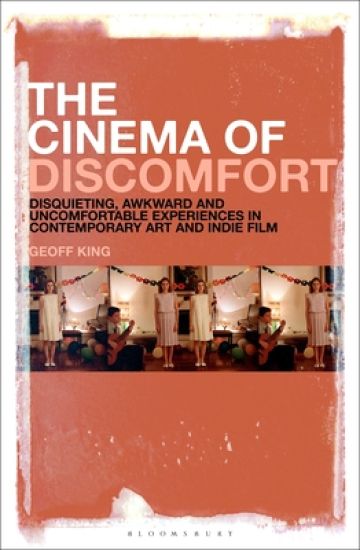
The Cinema of Discomfort

The Cinema of Discomfort

Geoff King

BLOOMSBURY PUBLISHING PLC
2021
sidottu
How do we understand types of cinema that offer experiences of discomfort, awkwardness or disquieting uncertainty? This book examines a number of examples of such work at the heart of contemporary art and indie film. While the commercial mainstream tends to offer comforting viewing experiences – or moments of discomfort that exist largely to be overcome – The Cinema of Discomfort analyses films in which discomfort is offered in a sustained manner. Cinema of this kind confronts us with material such as distinctly uncomfortable sexual encounters. It invites us into uncertain relationships with awkward and sometimes unlikable characters. It presents us with challenging behaviour or what are presented as uncomfortable realities. It often refuses information on which to base judgments. More discomfortingly, cinema of this kind tends to provoke uncertainty at the level of what emotional responses we are encouraged to have towards difficult, sometimes controversial, characters or events. The Cinema of Discomfort examines a number of case-studies, including Palindromes by Todd Solondz (US) and Dogtooth from Yorgos Lanthimos (Greece), along with other examples from Austria, Sweden, the UK, the US and Germany. Offering close textual analysis of the manner in which discomfort is generated, it also asks how we should understand the appeal of such work to certain viewers and how the existence of films of this kind can be explained, as products of both their socio-cultural context and the more particular institutional realms of art and indie film.
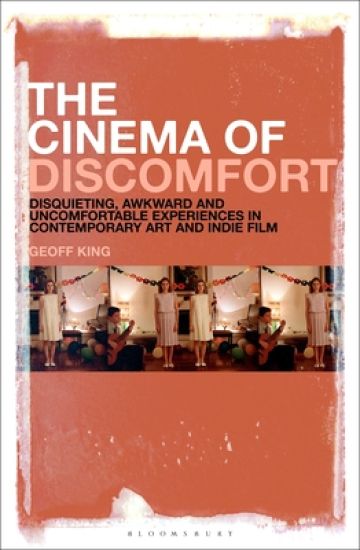
The Cinema of Discomfort

The Cinema of Discomfort

Geoff King

BLOOMSBURY PUBLISHING PLC
2023
nidottu
How do we understand types of cinema that offer experiences of discomfort, awkwardness or disquieting uncertainty? This book examines a number of examples of such work at the heart of contemporary art and indie film. While the commercial mainstream tends to offer comforting viewing experiences – or moments of discomfort that exist largely to be overcome – The Cinema of Discomfort analyses films in which discomfort is offered in a sustained manner. Cinema of this kind confronts us with material such as distinctly uncomfortable sexual encounters. It invites us into uncertain relationships with awkward and sometimes unlikable characters. It presents us with challenging behaviour or what are presented as uncomfortable realities. It often refuses information on which to base judgments. More discomfortingly, cinema of this kind tends to provoke uncertainty at the level of what emotional responses we are encouraged to have towards difficult, sometimes controversial, characters or events. The Cinema of Discomfort examines a number of case-studies, including Palindromes by Todd Solondz (US) and Dogtooth from Yorgos Lanthimos (Greece), along with other examples from Austria, Sweden, the UK, the US and Germany. Offering close textual analysis of the manner in which discomfort is generated, it also asks how we should understand the appeal of such work to certain viewers and how the existence of films of this kind can be explained, as products of both their socio-cultural context and the more particular institutional realms of art and indie film.
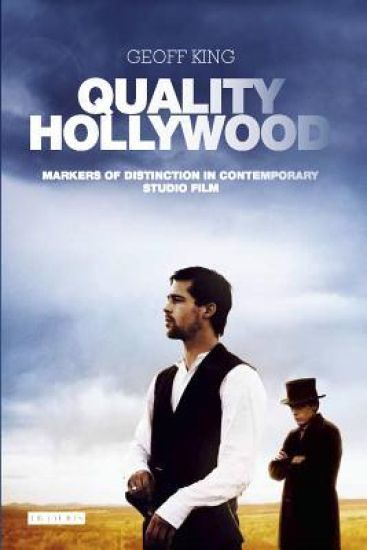
Quality Hollywood

Quality Hollywood

Geoff King

I.B. Tauris
2015
nidottu
What defines ‘quality’ in contemporary Hollywood film? Although often seen as inhospitable to such work, the studios of the blockbuster-franchise era continue to produce features that make claims to higher status. Films such as The Social Network, The Assassination of Jesse James by the Coward Robert Ford and Mystic River are marked as distinctive from the mainstream norm. But how exactly, and how are such qualities mixed with more familiar Hollywood ingredients, as found in larger doses in other examples such as Blood Diamond and the blockbuster-scale Inception? Quality Hollywood is the first book to address these issues, featuring close analysis of case study films, critical responses and the wider notions of cultural value on which these draw. Geoff King argues that such films retain a presence as a minority strand of studio output. The reasons for this combine factors relating to economics, the power of certain filmmakers and Hollywood’s investment in its own prestige.
Quality Hollywood

Quality Hollywood

Geoff King

I.B. Tauris
2015
nidottu
What defines quality in contemporary Hollywood film? Although often seen as inhospitable to such work, the studios of the blockbuster-franchise era continue to produce features that make claims to higher status. Films such as The Social Network, The Assassination of Jesse James by the Coward Robert Ford and Mystic River are marked as distinctive from the mainstream norm. But how exactly, and how are such qualities mixed with more familiar Hollywood ingredients, as found in larger doses in other examples such as Blood Diamond and the blockbuster-scale Inception? Quality Hollywood is the first book to address these issues, featuring close analysis of case study films, critical responses and the wider notions of cultural value on which these draw. Geoff King argues that such films retain a presence as a minority strand of studio output. The reasons for this combine factors relating to economics, the power of certain filmmakers and Hollywood s investment in its own prestige."
Positioning Art Cinema

Positioning Art Cinema

Geoff King

I.B. Tauris
2019
sidottu
Art cinema occupies a space in the film landscape that is accorded a particular kind of value. From films that claim the status of harsh realism to others which embody aspects of the tradition of modernism or the poetic, art cinema encompasses a variety of work from across the globe. But how is art cinema positioned in the film marketplace, or by critics and in academic analysis? Exactly what kinds of cultural value are attributed to films of this type and how can this be explained? This book offers a unique analysis of how such processes work, including the broader cultural basis of the appeal of art cinema to particular audiences.Geoff King argues that there is no single definition of art cinema, but a number of distinct and recurrent tendencies are identified. At one end of the spectrum are films accorded the most ‘heavyweight’ status, offering the greatest challenges to viewers. Others mix aspects of art cinema with more accessible dimensions such as uses of popular genre frameworks and ‘exploitation’ elements involving explicit sex and violence. Including case studies of key figures such as Michael Haneke, Pedro Almodóvar and Jean-Pierre and Luc Dardenne, this is a crucial contribution to understanding both art cinema itself and the discourses through which its value is established.
Spectacular Narratives

Spectacular Narratives

Geoff King

I.B. Tauris
2000
nidottu
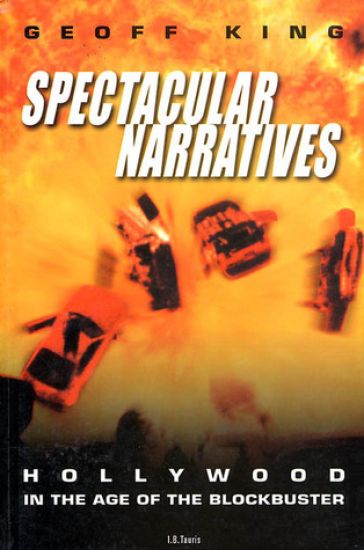
What is the appeal of the contemporary Hollywood blockbuster? The sheer scale and impact of big special effects sequences is part of the attraction of films such as Independence Day, Jurassic Park, Titanic or Mission Impossible. But they also offer other appeals, including the dynamics of narrative. Spectacular Narratives is the first serious book-length treatment of the contemporary blockbuster, including the digital-effects-based spectacle, space fictions, the action film, war spectaculars, the recent wave of disaster movies and films evoking new technologies such as virtual reality. Consideration is also given to the impact of profitable spin-offs such as film-related theme park rides and computer games. Geoff King argues against the view that an emphasis on the spectacular has led to an erosion of the importance of narrative in Hollywood. Instead, he suggests, even the most spectacular and effects-led contemporary blockbuster offers a blend of appeals, mixing elements of spectacle and narrative. Narrative is explored at the levels of both linear story-telling and underlying thematic patterns, a particular emphasis being placed on the persistence of elements of the myth/ideology of the American frontier. Close textual analysis is combined with consideration of the industrial and social contexts of contemporary Hollywood in a readable, original and rewarding book on the cinema that dominates markets across the globe.
Science Fiction Cinema

Science Fiction Cinema

Geoff King

Wallflower Press
2001
nidottu
This book charts the dimensions of one of the most popular genres in the cinema. From lurid comic-book blockbusters to dark dystopian visions, science fiction is seen as both a powerful cultural barometer of our times and the product of particular industrial and commercial frameworks. The authors outline the major themes of the genre, from representations of the mad scientist and computer hacker to the relationship between science fiction and postmodernism, exploring issues such as the meaning of special effects and the influence of science fiction cinema on the entertainment media of the digital age. Over one hundred films are discussed and the book concludes with an extensive case study of Star Wars I: The Phantom Menace. Author Biography: Both authors lecture in film and television studies at Brunel University, London. Geoff King has written on contemporary Hollywood cinema and cultural studies. Tanya Krzywinska has written on explicit sex films and the cinema of the occult.
Film Comedy

Film Comedy

Geoff King

Wallflower Press
2002
nidottu
What exactly is film comedy and what is the basis for its widespread appeal? Film Comedy uses formal, socio-historical and industrial perspectives to answer this question. What, for example, is the basis of the appeal of gross-out comedy in films such as There's Something About Mary and American Pie? What is the relationship between comedy and narrative, from early silent slapstick to the performance of actors such as Steve Martin and Jim Carrey? How has romantic comedy changed, or remained the same, from the 1930s to today? What happens when comedy is put to more serious ends in satire ranging from works produced under communism in Eastern Europe and Cuba to Hollywood features such as Bullworth and Wag the Dog? To what extent is comedy nation-specific? And what is the role of comic relief in Hollywood action movies and black comedy such as American Psycho and Man Bites Dog.
Donnie Darko

Donnie Darko

Geoff King

Wallflower Press
2007
nidottu
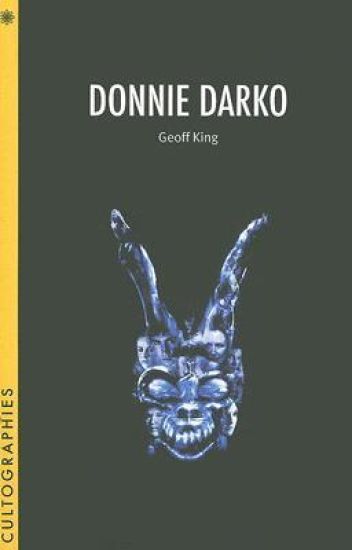
With its gothic tale of a troubled teen haunted by visions of a figure in a Halloween rabbit suit, Donnie Darko was among the first cult movie phenomena of the twenty-first century, making debut director Richard Kelly Hollywood hot property before he reached his thirtieth birthday. This study narrates the film's journey from box-office bemusement through word of mouth success to the recent director's cut of the film, and also discusses fans' reactions to the film's enigmatic conclusion, explaining how Donnie Darko gripped the imagination of Generation X teenagers across the world.
Indie 2.0

Indie 2.0

Geoff King

I.B. Tauris
2013
sidottu
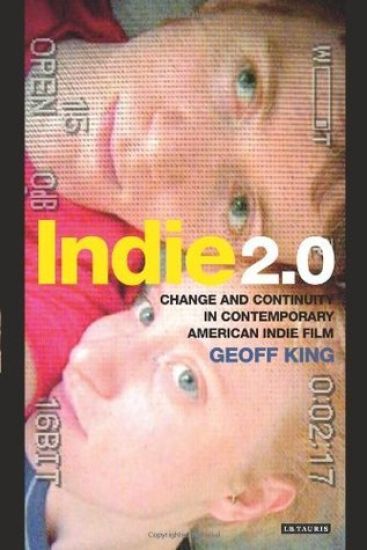
What is the state of American indie cinema in the second decade of the twenty-first century? Some have forecast an end to the viability of an indie sector marked by the appearance of films with ambitions significantly beyond those of the commercial mainstream. But, as this book demonstrates, plenty of distinctively indie productions continue to thrive, even in the face of difficult economic circumstances. Using the term indie 2.0 to denote the particular form of independent feature production that achieved cultural prominence in this contemporary period, Geoff King explores new opportunities for indie films, including the use of low-cost digital video and the pursuit of the internet and social media as alternative means of funding, distribution, promotion and sales. Other detailed case studies focus on the ultra-low-budget 'mumblecore' movement; the social realism of filmmakers such as Kelly Reichardt and Ramin Bahrani; the 'digital desktop' aesthetics of Susan Buice and Arin Crumley's "Four Eyed Monsters" and Jonathan Caouette's "Tarnation", and the articulation of notions of 'true' indie in opposition to what are seen by some as the quirky contrivances of cross-over hits such as "Little Miss Sunshine" and "Juno".
Indie 2.0

Indie 2.0

Geoff King

I.B. Tauris
2013
nidottu
What is the state of American indie cinema in the second decade of the twenty-first century? Some have forecast an end to the viability of an indie sector marked by the appearance of films with ambitions significantly beyond those of the commercial mainstream. But, as this book demonstrates, plenty of distinctively indie productions continue to thrive, even in the face of difficult economic circumstances. Using the term indie 2.0 to denote the particular form of independent feature production that achieved cultural prominence in this contemporary period, Geoff King explores new opportunities for indie films, including the use of low-cost digital video and the pursuit of the internet and social media as alternative means of funding, distribution, promotion and sales. Other detailed case studies focus on the ultra-low-budget 'mumblecore' movement; the social realism of filmmakers such as Kelly Reichardt and Ramin Bahrani; the 'digital desktop' aesthetics of Susan Buice and Arin Crumley's "Four Eyed Monsters" and Jonathan Caouette's "Tarnation", and the articulation of notions of 'true' indie in opposition to what are seen by some as the quirky contrivances of cross-over hits such as "Little Miss Sunshine" and "Juno".
American Independent Cinema

American Independent Cinema

Geoff King

I.B. Tauris
2005
sidottu
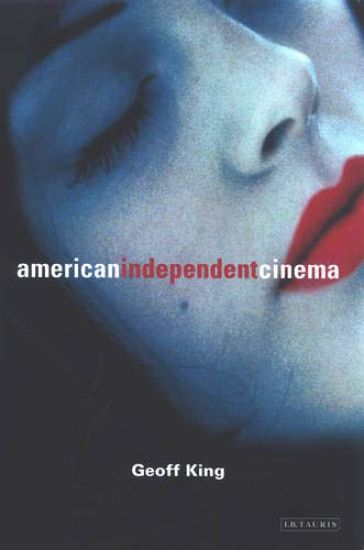
The independent sector has produced many of the most distinctive films to have appeared in the US in recent decades. From 'Sex, Lies and Videotape' in the 1980s to 'The Blair Witch Project' and New Queer Cinema in the 1990s and the ultra-low budget digital video features of the 2000s, indie films have thrived, creating a body of work that stands out from the dominant Hollywood mainstream. But what exactly is 'independent' cinema? This, the first book to examine the question in detail, argues that independence can be defined partly in industry terms but also according to formal and aesthetic strategies and by distinctive attitudes towards social and political issues, suggesting that independence is a dynamic rather than a fixed quality. Chapters focus on distribution and relationships with Hollywood studios; narrative ('Clerks' and 'Slacker' to 'Pulp Fiction', 'Magnolia' and 'Memento') and other formal dimensions (from 'Blair Witch's' 'authenticity' to expressive and stylized camerawork and editing in work from Harmony Korine to the Coen brothers); approaches to genre and alternative socio-political visions.
New Hollywood Cinema

New Hollywood Cinema

Geoff King

I.B. Tauris
2002
nidottu
New Hollywood extends from the radical gestures of the 'Hollywood Renaissance' of the late 1960s and early 1970s to the current dominance of the corporate blockbuster. Geoff King covers new Hollywood dynamically and accessibly in this thoroughly modern introductory text. He discusses diverse films as well as the film-makers and film companies, focusing on the interactions between the film texts, their social contexts and the industry producing them. Using examples across Hollywood and its genres, King reveals how the positions of studios within media conglomerates, together with the impact of television, advertising and franchising on the New Hollywood, shape the form and content of the films.