Kirjojen hintavertailu. Mukana 11 699 587 kirjaa ja 12 kauppaa.

Kirjahaku

Etsi kirjoja tekijän nimen, kirjan nimen tai ISBN:n perusteella.

7 kirjaa tekijältä Geoff Lunn

Port of London Shipping

Port of London Shipping

Geoff Lunn

The History Press Ltd
2004
nidottu
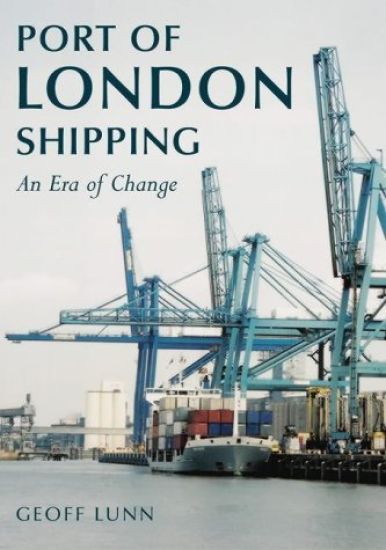
With its vast system of enclosed docks and one and a half thousand working wharves, London was once the world's greatest port. Ships arrived from far and near, at the rate of 1,000 movements each week, requiring a workforce of 100,000. A revolution in cargo handling led to radical changes in the size and design of ships and London's port would never be the same again: most of the docks and wharves closed for business; the shipping scene moving downriver where new larger ships could berth; upriver quaysides were re-invented as locations for expensive commercial and residential properties.This book takes the reader on a fascinating journey through a period of change from the latter years of London's docks up to the present day. With its wealth of illustrations, it demonstrates how the Port of London has re-emerged as a premier British port, equipped to handle the most sophisticated modern ship, with further expansion planned. Recent decades have been a memorable era for everyone connected with the port.
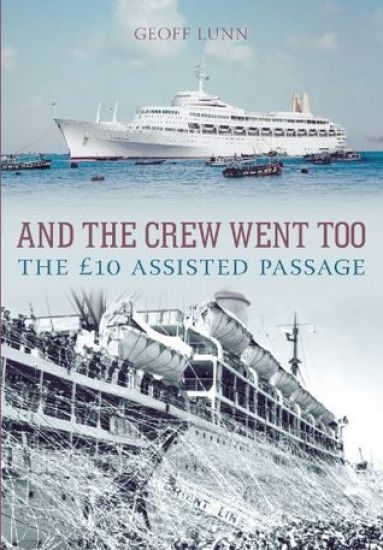
And the Crew Went Too

And the Crew Went Too

Geoff Lunn

The History Press Ltd
2007
nidottu
The end of the Second World War saw one of the largest mass migrations ever seen from Europe. Millions left their homelands for new horizons and Britain was no exception. Australia, New Zealand and Canada all needed many thousands of new workers so that they could grow and prosper. The Governments of these countries offered ‘assisted passages’, effectively subsidising the fare so that the emigrants would only pay a maximum of £10. These voyages, which peaked in the early 1960s continued into the 1970s. The new homelands benefited by taking skilled workers from the Old World and sometimes even the crew jumped ship to take advantage of the opportunities in the new world. Geoff Lunn tells the history of this most massive of mass migrations, using interviews with emigrants to enliven the story.
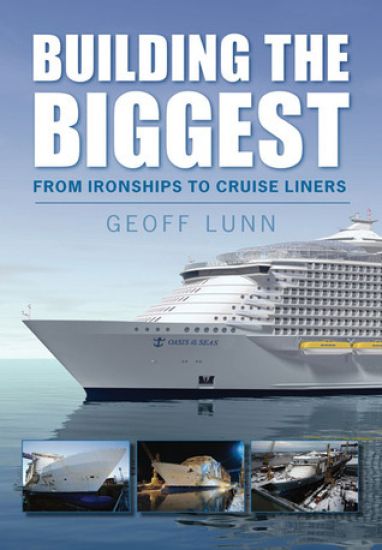
Building the Biggest

Building the Biggest

Geoff Lunn

The History Press Ltd
2009
nidottu
In 1843 Brunel's ironship Great Britain was launched, becoming the forerunner of the great steel-hulled ships of today. Yet she was tiny compared with the transatlantic liners of the early 1900s as ship-owners vied for the top spot in terms of speed, elegance and size. Liners such as Mauritania and Titanic were later followed by two giant Queens and France's liner Normandie. If the innovative engineers of the Victorian age guided the shipping industry from sail to steam, wood to iron and later to steel, then the twentieth-century invention of the computer took ship construction to entirely new concepts. Massive passenger vessels, equipped with remarkable facilities, efficient machinery and capable of meeting the highest standard of safety, can now be built from keel to funnel in no more than two years.Construction techniques have changed beyond recognition, as have methods of ship design and, indeed, the very roles that these floating resorts are asked to play. Today Royal Caribbean's sister ships Oasis of the Seas and Allure of the Seas are the first passenger ships in history to exceed 200,000 gros tons and are promoted as offering a third more space than any other cruise vessel afloat and measuring seventy times the size of the first Victorian passenger-carrying ironship. For the foreseeable future, at least, these two giant floating cities will hold the accolade of being the biggest passenger ships of all time.
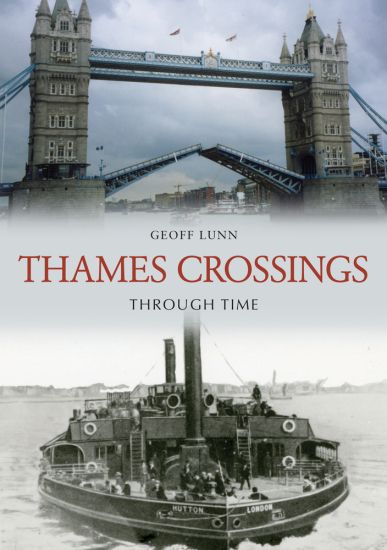
Thames Crossings Through Time

Thames Crossings Through Time

Geoff Lunn

AMBERLEY PUBLISHING
2022
nidottu
Amid peaceful countryside, past historic towns and through the heart of London, the River Thames flows in an easterly direction for some 346 kilometres from its source in Gloucestershire until entering the North Sea. Over many centuries civilisations have traversed the ancient river by way of fords and early ferries, stone-built bridges, by locks, tunnels and railway lines and, most recently, by motorway crossings. Building methods and designs have changed dramatically over time yet, even now, bridges dating from medieval times still span the river, virtually unaltered since when they were built. Within London, bridges and tunnels, old and new, convey the capital’s rail systems, road traffic and pedestrians across the Thames. The Thames and its crossings are ever changing and Geoff Lunn, as he travels downriver from source to sea, navigates the reader through their history and right up to the present day.
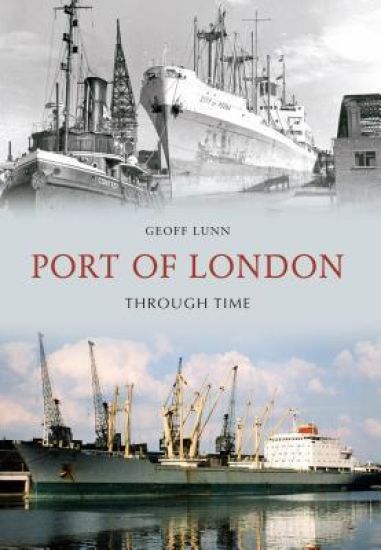
Port of London Through Time

Port of London Through Time

Geoff Lunn

AMBERLEY PUBLISHING
2011
nidottu
Until the middle of the twentieth century, the Port of London was the busiest in the world. A long, slow decline set in, as ships grew larger and numerous seamen's strikes and the advent of containerisation decimated the docks. Everything moved downriver and the Port of Tilbury grew to cope with the demand, while the docks in London itself declined and were closed. Some have been filled in, others converted to other uses, with London City Airport and Canary Wharf being built on converted docklands. Geoff Lunn tells the story of the Port of London, from the Pool of London to Tilbury and Gravesend, using a combination of images, both old and modern. Inside are views of the redevelopment and changing face of the docklands areas.
Tilbury Landing Stage Through Time

Tilbury Landing Stage Through Time

Geoff Lunn

Amberley Publishing
2019
nidottu
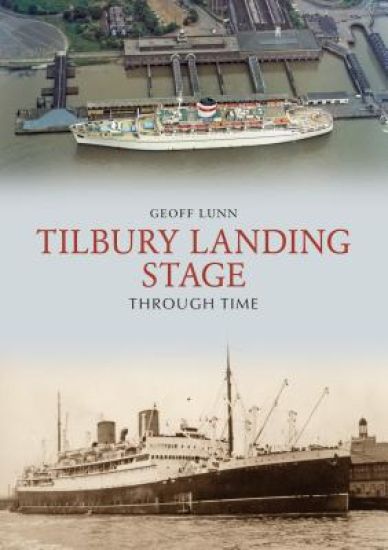
Located on the north bank of the River Thames opposite Gravesend, with which there has been a ferry link for centuries, Tilbury Landing Stage is a fine vantage point for viewing shipping passing to and from upriver berths. Ever since it opened in 1930 it has been the Port of London’s main passenger terminal. For many years it was the farewell point for thousands of migrants leaving Britain for Australia. Later, as liner travel changed to cruising, it was regularly used by Soviet-owned passenger ships. To meet the new demands of cruising the passenger facility was upgraded and is now known as the London Cruise Terminal, handling a number of cruise ships each year. Geoff Lunn takes a photographic journey through the history of Tilbury Landing Stage, describing the passenger ships and various other ships that have berthed there and those that have passed close by.