Kirjojen hintavertailu. Mukana 11 342 296 kirjaa ja 12 kauppaa.

Kirjahaku

Etsi kirjoja tekijän nimen, kirjan nimen tai ISBN:n perusteella.

6 kirjaa tekijältä Geoffrey Macnab

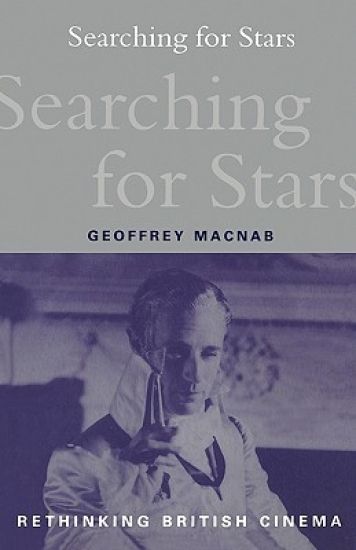
Searching for Stars

Searching for Stars

Geoffrey Macnab

Continuum International Publishing Group Ltd.
2000
nidottu
Explores the reasons behind British cinema's failure to create its own stars. The text looks at the way theatre and music hall spawned their stars, and asks why so many of them found the transition to film so awkward. It compares the British star system with that of Hollywood. What sort of contracts were British stars offered? How much were they paid? Who dealt with their publicity? How did Britsh fans regard them? There are essays on key figures (Novello, Fields, Formby, Dors, Bogarde, Mason, Matthews), and assessment of how British stars fared in Hollywood, an analysis of the effects of class and regional prejudice on attempts at British star-making, and a survey of the British comedy tradition, and some of the questions about how genre affected the star system.
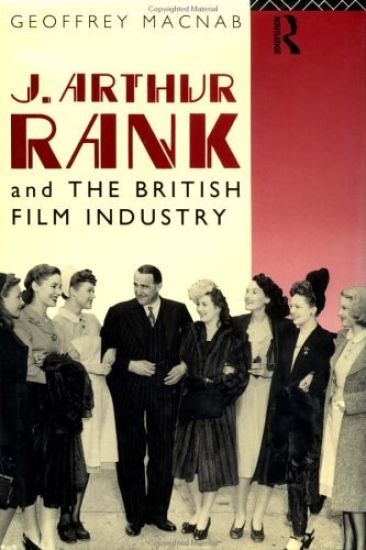
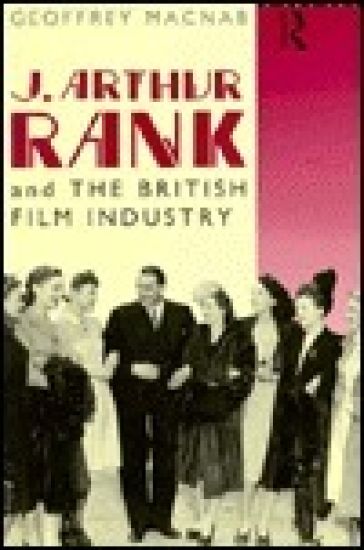
J. Arthur Rank and the British Film Industry
Presiding over the "golden era" of the British Film Industry from the mid to late 1940s, J. Arthur Rank financed movies such as Oliver Twist, The Red Shoes, Brief Encounter, Caesar and Cleopatra and Black Narcissus. Never before, and never since, has the industry risen to such heights.J. Arthur Rank charts every aspect of the robust film culture that Rank helped to create. Having started out with relatively little knowledge of the cinema, Rank's sponsorship was to bring about astounding progress within the industry, and by establishing an organization comparable in size to any of the major Hollywood studios, Rank briefly managed to reconcile and consolidate the competing demands of "art" and "business" - an achievement very much absent from today's diminished and fragmented film industry. Macnab goes on to explain the eventual collapse of the Rank experiment amidst the economic and political maelstrom of post-war Britain, highlighting the problems still facing the industry today. By meshing archival research with interviews with Rank's contemporaries and members of his family, this definitive study firmly restores Rank to his rightful place at the hub of British film history.
J. Arthur Rank and the British Film Industry
Presiding over the "golden era" of the British Film Industry from the mid to late 1940s, J. Arthur Rank financed movies such as Oliver Twist, The Red Shoes, Brief Encounter, Caesar and Cleopatra and Black Narcissus. Never before, and never since, has the industry risen to such heights.J. Arthur Rank charts every aspect of the robust film culture that Rank helped to create. Having started out with relatively little knowledge of the cinema, Rank's sponsorship was to bring about astounding progress within the industry, and by establishing an organization comparable in size to any of the major Hollywood studios, Rank briefly managed to reconcile and consolidate the competing demands of "art" and "business" - an achievement very much absent from today's diminished and fragmented film industry. Macnab goes on to explain the eventual collapse of the Rank experiment amidst the economic and political maelstrom of post-war Britain, highlighting the problems still facing the industry today. By meshing archival research with interviews with Rank's contemporaries and members of his family, this definitive study firmly restores Rank to his rightful place at the hub of British film history.
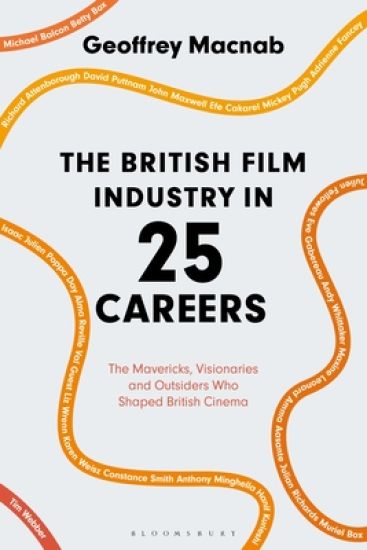
The British Film Industry in 25 Careers

The British Film Industry in 25 Careers

Geoffrey Macnab

Bloomsbury Academic
2021
nidottu
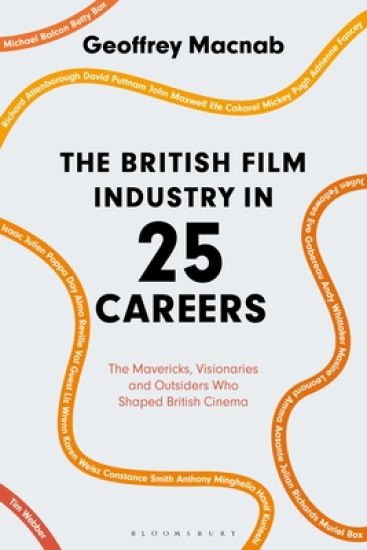
The British Film Industry in 25 Careers tells the history of the British film industry from an unusual perspective - that of various mavericks, visionaries and outsiders who, often against considerable odds, have become successful producers, distributors, writers, directors, editors, props masters, publicists, special effects technicians, talent scouts, stars and, sometimes, even moguls. Some, such as Richard Attenborough and David Puttnam, are well-known names. Others, such as the screenwriter and editor Alma Reville, also known as Mrs Alfred Hitchcock; Constance Smith, the 'lost star' of British cinema, or the producer Betty Box and her director sister Muriel, are far less well known. What they all have in common, though, is that they found their own pathways into the British film business, overcoming barriers of nationality, race, class and gender to do so.Counterpointing the essays on historical figures are interviews with contemporaries including the director Amma Asante, the writer and filmmaker Julian Fellowes, artist and director Isaac Julien, novelist and screenwriter Hanif Kureishi, and media entrepreneur Efe Cakarel, founder of the online film platform MUBI, who’ve come into today’s industry, adjusting to an era in which production and releasing models are changing – and in which films are distributed digitally as well as theatrically.
The British Film Industry in 25 Careers

The British Film Industry in 25 Careers

Geoffrey Macnab

Bloomsbury Academic
2021
sidottu
The British Film Industry in 25 Careers tells the history of the British film industry from an unusual perspective - that of various mavericks, visionaries and outsiders who, often against considerable odds, have become successful producers, distributors, writers, directors, editors, props masters, publicists, special effects technicians, talent scouts, stars and, sometimes, even moguls. Some, such as Richard Attenborough and David Puttnam, are well-known names. Others, such as the screenwriter and editor Alma Reville, also known as Mrs Alfred Hitchcock; Constance Smith, the 'lost star' of British cinema, or the producer Betty Box and her director sister Muriel, are far less well known. What they all have in common, though, is that they found their own pathways into the British film business, overcoming barriers of nationality, race, class and gender to do so.Counterpointing the essays on historical figures are interviews with contemporaries including the director Amma Asante, the writer and filmmaker Julian Fellowes, artist and director Isaac Julien, novelist and screenwriter Hanif Kureishi, and media entrepreneur Efe Cakarel, founder of the online film platform MUBI, who’ve come into today’s industry, adjusting to an era in which production and releasing models are changing – and in which films are distributed digitally as well as theatrically.
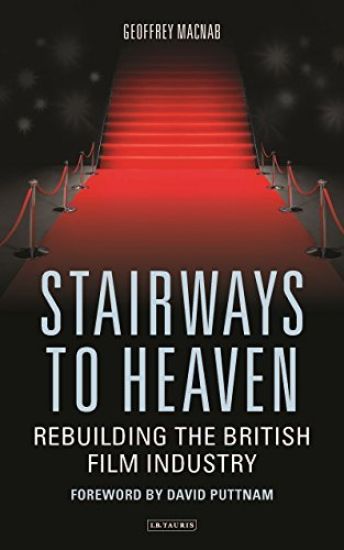
Stairways to Heaven

Stairways to Heaven

Geoffrey Macnab

I.B. Tauris
2018
nidottu
What has brought about the transformation of the British film industry over the last few decades, to the beginnings of what is arguably a new golden era? In the mid-1980s the industry was in a parlous state. The number of films produced in the UK was tiny. Cinema attendance had dipped to an all-time low, cinema buildings were in a state of disrepair and home video had yet to flourish. Since then, while many business challenges - especially for independent producers and distributors - remain, the industry overall has developed beyond recognition. In recent years, as British films have won Oscars, Cannes Palms and Venice Golden Lions, releases such as Love Actually, Billy Elliot, Skyfall, Paddington and the Harry Potter series have found enormous commercial as well as critical success. The UK industry has encouraged, and benefitted from, a huge amount of inward investment, much of it from the Hollywood studios, but also from the National Lottery via the UK Film Council and BFI. This book portrays the visionaries and officials who were at the helm as a digital media revolution began to reshape the industry. Through vivid accounts based on first-hand interviews of what was happening behind the scenes, film commentator and critic Geoffrey Macnab provides in-depth analysis of how and why the British film industry has risen like a phoenix from the ashes.