Kirjojen hintavertailu. Mukana 11 342 296 kirjaa ja 12 kauppaa.

Kirjahaku

Etsi kirjoja tekijän nimen, kirjan nimen tai ISBN:n perusteella.

2 kirjaa tekijältä George Boyd

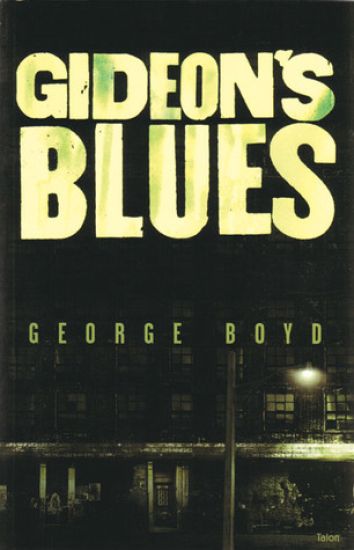
Gideon's Blues

Gideon's Blues

George Boyd

Talonbooks
2004
pokkari
The apple of Momma Lou's eye, Gideon embodies his parents' hope for a brighter future for their family. College educated with the tireless support and sacrifice of his parents, he was to be the one to break free of the ghetto, to enjoy an integrated family life with his newfound peers in a middle management, middle-class suburban community of comfortably conspicuous consumption. Yet because of racism and prejudice, he has yet to find a job better than a janitor to support his wife and two children. An endless string of interviews for more suitable employment, turned instantly humiliating and patronizing by his appearance as a black man, stokes a slow fire of anger, resentment and disillusionment into a quiet and determined fury and a thirst for any kind of success, at any cost. Turning to the easy drug money of the underground, Gideon is transformed from a victim into a victimizer. Slowly and inexorably, the circles of destruction around him widen in the community and echo back to devastate his own extended family.With the sophisticated and compelling portrayal of its complex characters, Gideon's Blues offers entrance into the emotional dynamics of all families and cultures throughout history, by dealing with the powerful imperatives of love, fealty, devotion and justice. Much more than a play about the effects of racism, the profound humanity of Boyd's characters reminds us that while neither drug abuse nor the breakdown of the traditional family is exclusive to the black community, racism causes these problems to become much more destructive to that community than they are to the dominant culture of North America. Cast of three women and four men.
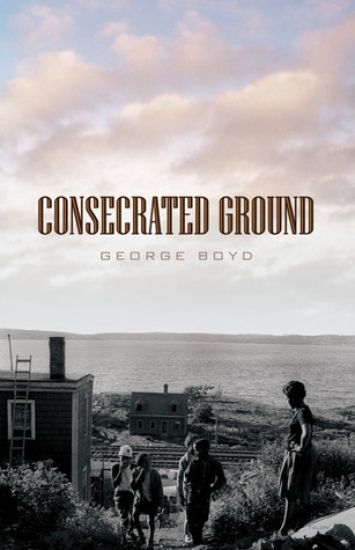
Consecrated Ground

Consecrated Ground

George Boyd

Talonbooks
2011
pokkari
In 1965, Africville, the largest and oldest black community in Canada was bulldozed into memory. What was lost to the politicians of Halifax was an inconvenience, an eyesore. But what was lost to the people whose roots ran deep through the once-vibrant community was an entire way of life. The hamlet's roots went back to the 1830s, when it began to be settled by descendants of the Black Loyalists, the Black Pioneers and others who fled the horrors of slavery in America for the relative freedom of Canada. Africville flourished for generations as a tight-knit agricultural settlement, and its people had every right to expect the public services available to all other citizens of the Halifax peninsula. Homeowners in Africville paid city taxes, but after years of being unfairly and ruthlessly denied even the most basic of modern conveniences, including electricity, running water, and a proper sewage system, which were readily available to all of the rest of the citizens of Halifax, the decision by city officials to locate the municipal dump a stone's throw from Africville created a rat-infested, slum-like environment for the already beleaguered neighbourhood.Condemned as unsanitary, its residents were told to sell their homes if they could, before finally being evicted without compensation as the bulldozers moved in. The final injustice was that part of Africville was demolished to make way for an off-leash dog park; the rest of the land was used to build the approaches to the A. Murray MacKay Bridge. In Consecrated Ground, Nova Scotian playwright George Boyd retells the struggle of Africville's residents to save their homes and their dignity. With tremendous wit and gravity, George Boyd takes us back to Africville on the verge of extinction, making us a gift of characters believable in their vulnerabilities, their courage and their outrage.