Kirjojen hintavertailu. Mukana 11 342 296 kirjaa ja 12 kauppaa.

Kirjahaku

Etsi kirjoja tekijän nimen, kirjan nimen tai ISBN:n perusteella.

5 kirjaa tekijältä Geraint Franklin

Ramsgate

Ramsgate

Geraint Franklin

Historic England
2020
nidottu
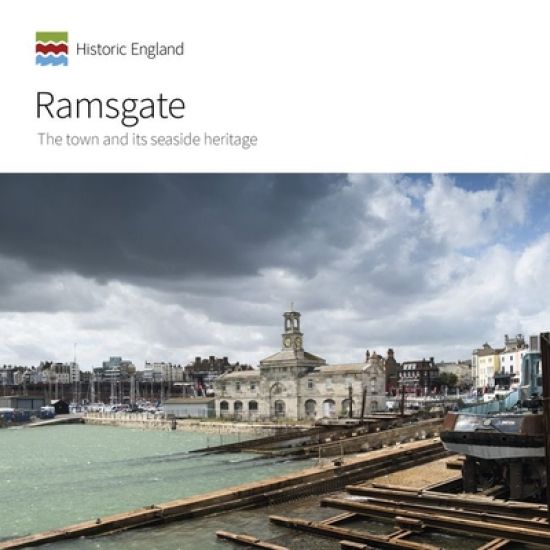
For over 250 years people have headed to Ramsgate for a day at the seaside – and discovered much more in the process. This book charts Ramsgate’s transformation from quiet fishing village to a ‘harbour of refuge’ and seaside resort, driven by the town’s strategic position on the east Kent coast. Once visited by a handful of intrepid sea bathers, improvements in passenger boats and the arrival in 1846 of the railway opened up the resort to thousands of holidaymakers, necessitating new bathing facilities and entertainment venues. Early 19th century Ramsgate was patronised by royalty and boasted up-to-date terraces, crescents and squares. The town attracted minority faith communities, represented by the synagogue completed in 1833 for Sir Moses Montefiore and A. W. N. Pugin’s Roman Catholic church of St Augustine (1845-50). This wide-ranging, accessible study tells the story of Ramsgate’s rich maritime and seaside heritage. It also profiles the challenges and opportunities that the town faces today in seeking to redefine itself as an attractive place to visit, live and work. Ramsgate: the town and its seaside heritage combines documentary research with insights derived from the town’s fascinating architectural heritage, illustrated with new and archival photographs.
John Outram

John Outram

Geraint Franklin

LIVERPOOL UNIVERSITY PRESS
2022
nidottu
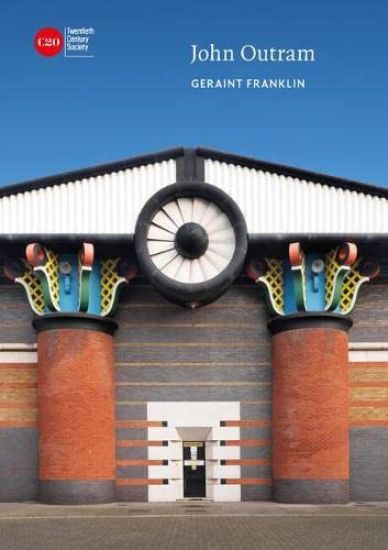
This is the first major study of John Outram, whose decorative yet elemental architecture has captured the popular imagination. Outram launched his own architectural practice in 1974, soon securing a reputation for innovative, creative and monumental buildings. Their brilliant colours and exuberant gestures earned him a reputation as a post-modernist, but this book explores their deeper background in architectural history, metaphysics and mythology. In addition to the major buildings – including The New House at Wadhurst, the Isle of Dogs Pumping Station and the Judge Institute – the book examines unrealised projects, including Bracken House and Ludgate in the City of London. Running through them all is a storytelling approach that draws upon the mythologies and architectures of the ancient world. This book shows how Outram’s work reconciles iconography with a creative approach to building technology, posing questions about the recovery of architecture’s traditional role of communicating shared values. Geraint Franklin draws on interviews and archival research to shed new light on this important architect. Richly illustrated with previously unpublished images from the practice archive and stunning new photography, the book will delight architects, students and anyone interested in learning more about this significant figure in late 20th century architecture.
Howell Killick Partridge and Amis

Howell Killick Partridge and Amis

Geraint Franklin

Historic England
2017
nidottu
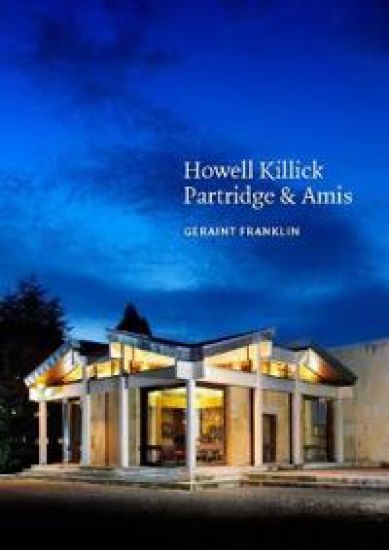
The Roehampton Lane (Alton West) estate is widely acclaimed as one of the seminal works of the Modern Movement in Britain. Less well known is the identity of its designers, four ambitious young architects in the employ of the London County Council: Bill Howell, John Killick, John Partridge and Stan Amis. Launched into practice with a maverick design for Churchill College, Cambridge, their output ranged from additions to Oxford and Cambridge colleges to theatres, houses and government buildings.Deriving a distinctive design language from revealed structure and highly modelled surfaces, HKPA developed a rich, allusive and extrovert architecture. Although a mastery of pre-cast concrete and a preference for raw finishes earned them an early reputation as Brutalists, their sensitivity to context, refined sense of light and materials and eye for the qualities of historic buildings transcends any single style. Geraint Franklin has combined interviews with archival research to tell the story of the individuals, collaborations and aspirations behind the built and unrealised projects. Lavishly illustrated with new photography by James O. Davies and images from the practice archive, this book is a must for architects, students and enthusiasts wanting to discover this key practice in British post-war architecture.
Understanding Place

Understanding Place

Geraint Franklin

Historic England
2017
nidottu
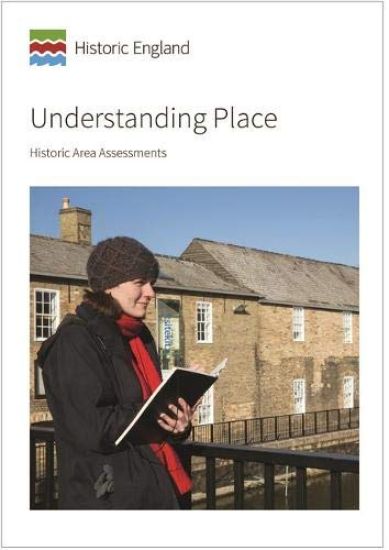
This guidance explains how to undertake Historic Area Assessments (HAAs) in order to understand and explain the heritage interest of an area. HAAs help explain the character of a place and define its significance, providing a sound evidence base for the informed management of the historic environment. The approach is intended to assist historic environment specialists, planners, developers, local communities and others in evaluating the historic environment by understanding how the past is encapsulated in today’s landscape, explaining why it has assumed its present form and highlighting its more significant elements. HAAs typically give insights into how and why a place has come to look the way it does. They identify the range of landscapes and building types, their dates and forms, and relate them to the wider evolution of the area. The Introduction sets out the principles and benefits of assessment and explains how it relates to other approaches to the understanding of historic areas. Sections 2–4 explain the practical issues underlying HAAs and how to carry them out at various levels of resolution.
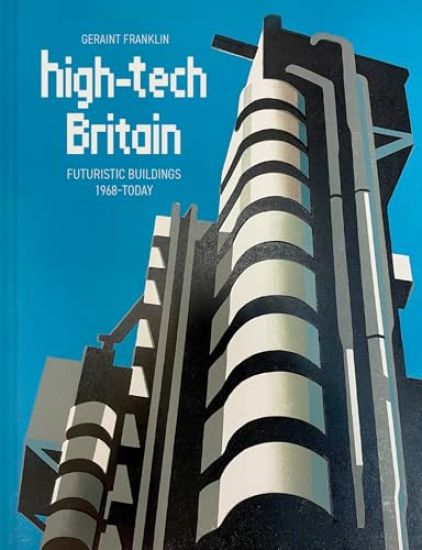
High-Tech Britain

High-Tech Britain

Geraint Franklin

BATSFORD
2026
sidottu
A showcase of Britain’s most astonishing examples of High-Tech buildings from the late twentieth century and beyond. Like the Lotus Esprit, the Atari home computer and the sounds of the Roland TR-808 drum machine, the glossy colour, clip-on components and bristling silhouettes of High-Tech architecture provide a polaroid snapshot of 1980s modernity. High-Tech was an international style forged in Britain, taking inspiration from Victorian engineering and science fiction alike. Geraint Franklin traces its trajectory from 1960s radicalism to the global mainstream, taking in such late 20th-century landmarks as the Lloyds building, the Sainsbury Centre, the Schlumberger Cambridge Research Centre and the Eden Project in Cornwall. High-Tech Britain revisits the work of the ‘big four’ practices of Norman Foster, Richard Rogers, Michael and Patty Hopkins and Nicolas Grimshaw. From their teams emerged a younger generation of designers including Eva Jiricná, Ian Ritchie, Richard Horden and Jan Kaplický who took the language in new directions. Alongside are profiled lesser-known stories such as the Patera kit building quietly rusting in London’s Docklands and the workshop at Hooke Park, Dorset, engineered from waste wood. Illustrated with new photography by John East, High-Tech Britain is an authoritative survey of the most groundbreaking examples of this extraordinary moment in British architecture. ‘An essential guide to the big, shiny style that ruled modern Britain.’ – Rowan Moore ‘How did buildings as bright and light as 8-bit computer games and eighties sports cars come to dominate our urban landscape? Geraint Franklin tells a fast-paced design story beside John East's glorious images, full of fun palaces, floating canopies and facades of gleaming perfection.’ – John Grindrod ‘This is a book that is about more than nostalgia. It reminds us that there was a time when the future of architecture was full of possibilities.’ – Deyan Sudjic ‘Geraint Franklin deftly summarises the architectural and engineering revolution of high-tech, exploring its roots, and setting its British-designed examples in a global context. He explains its 21st century transition into an ecologically aware movement that remains true to its original fascination with unconventional materials and kit-of-parts construction.’ – Hugh Pearman ‘High-Tech is that most British of architectural fetishes, a collision of Victorian engineering and comic strip sci-fi, it was the UK's major contribution to modernism. This survey takes in the whole range of High Tech, from trad to rad, a wonderful homage to a period still surprisingly fragile and endangered.’ – Edwin Heathcote