Kirjahaku
Etsi kirjoja tekijän nimen, kirjan nimen tai ISBN:n perusteella.
22 kirjaa tekijältä Gerard De Nerval

The Women of Cairo: Scenes of Life in the Orient, first published in 1929, describes the trip to Egypt and other locations in the Ottoman Empire taken by French Romanticist Gerard de Nerval. The book focuses on both reinforcing and dispelling the old ways in which people saw the Orient, as well as examining their old and new customs. This book is perfect for those studying history and travel.
The Women of Cairo: Scenes of Life in the Orient, first published in 1926, describes the trip to Egypt and other locations in the Ottoman Empire taken by French Romanticist Gerard de Nerval. The book focuses on both reinforcing and dispelling the old ways in which people saw the Orient, as well as examining their old and new customs. This book is perfect for those studying history and travel.

The Women of Cairo: Scenes of Life in the Orient, first published in 1929, describes the trip to Egypt and other locations in the Ottoman Empire taken by French Romanticist Gerard de Nerval. The book focuses on both reinforcing and dispelling the old ways in which people saw the Orient, as well as examining their old and new customs. This book is perfect for those studying history and travel.
The Women of Cairo: Scenes of Life in the Orient, first published in 1929, describes the trip to Egypt and other locations in the Ottoman Empire taken by French Romanticist Gerard de Nerval. The book focuses on both reinforcing and dispelling the old ways in which people saw the Orient, as well as examining their old and new customs. This book is perfect for those studying history and travel.
" l gies nationales" de G rard de Nerval. G rard de Nerval, crivain et un po te fran ais (1808-1855).
Histoire d'une vie littéraire au XVIIIe siècle
Gerard De Nerval
Createspace Independent Publishing Platform
2015
nidottu
"Histoire d'une vie litt raire au XVIIIe si cle" de G rard de Nerval. G rard de Nerval, crivain et un po te fran ais (1808-1855).
"La Main enchant e" de G rard de Nerval. G rard de Nerval, crivain et un po te fran ais (1808-1855).
"La Main enchant e" de G rard de Nerval. G rard de Nerval, crivain et un po te fran ais (1808-1855).
Les Druses - Le calife Hakem
Gerard De Nerval
Createspace Independent Publishing Platform
2015
nidottu
"Les Druses - Le calife Hakem" de G rard de Nerval. G rard de Nerval, crivain et un po te fran ais (1808-1855).

"Aur lia" de G rard de Nerval. crivain et un po te fran ais (1808-1855).
"Les Filles du feu" de G rard de Nerval. crivain et un po te fran ais (1808-1855).
"Les Illumin s" de G rard de Nerval. crivain et un po te fran ais (1808-1855).
Aurelia o El sueño y la vida
Gerard De Nerval
Createspace Independent Publishing Platform
2015
nidottu
Cr nica del desgarramiento de un esp ritu, ofrenda l rica de un cerebro enfebrecido o diario de un viaje al mbito de la irrealidad, Aurelia o El sue o y la vida es un testimonio po tico sobrecogedor que recrea, paso a paso, el derrumbe en la mente del hombre de lo que llamamos cordura.
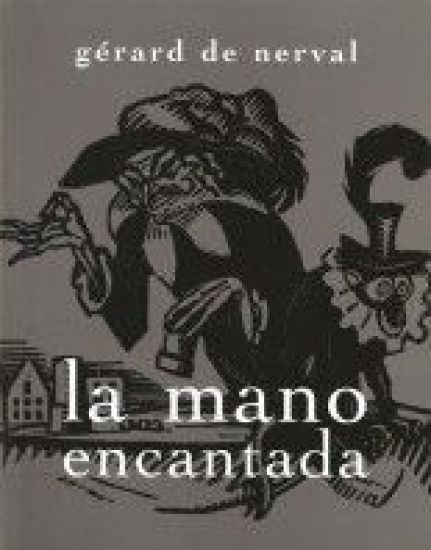
Eustache Bouteroue, un joven formal y con poca destreza para el arte de la lid, se ve forzado a batirse en duelo por su amada. Con ayuda de un titiritero y sus encantamientos consigue superar el embate, pero debido al hechizo su mano adquiere vida propia y lo lleva al precipicio en el que la muerte resulta ser el nico ant doto. Humor, miedo y cr tica social, hacen de este relato de Nerval el m s pr ximo a las formas del g nero g tico tan en boga hacia finales del siglo XVIII y principios del XIX.
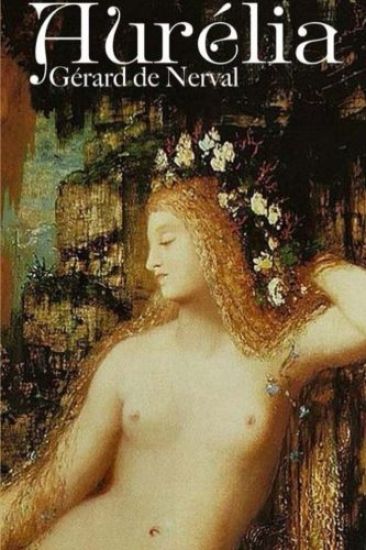
R sum " Une dame que j'avais aim e longtemps et que j'appellerai du nom d'Aur lia, tait perdue pour moi. Peu importent les circonstances de cet v nement qui devait avoir une si grande influence sur ma vie. Chacun peut chercher dans ses souvenirs l' motion la plus navrante, le coup le plus terrible frapp sur l' me par le destin; il faut alors se r soudre mourir ou vivre: - je dirai plus tard pourquoi je n'ai pas choisi la mort. " A la diff rence du narrateu... G rard Labrunie, dit G rard de Nerval, est un crivain et un po te fran ais, n le 22 mai 1808 Paris, ville o il est mort le 26 janvier 1855 ( 46 ans). Figure majeure du romantisme fran ais, il est essentiellement connu pour ses po mes et ses nouvelles, notamment son ouvrage Les Filles du feu, recueil de nouvelles (la plus c l bre tant Sylvie) et de sonnets (Les Chim res) publi en 1854. Premiers pas vers le succ s Le 1er mai 1829, pour faire plaisir son p re, G rard accepte d' tre stagiaire dans une tude de notaire. Mais il pratique le m tier mollement. Il a autre chose faire. En bon soldat du romantisme, il est convoqu par Victor Hugo pour faire partie de la claque de soutien Hernani, mission dont G rard s'acquitte volontiers (voir Bataille d'Hernani). 1830 est l'ann e des deux r volutions: la r volution romantique laquelle G rard participe, et la r volution politique, celle des Trois Glorieuses laquelle il ne participe qu'en badaud. La politique ne l'int resse pas. Les barricades lui ont cependant inspir un po me-fleuve: Le peuple, son nom, sa gloire, sa force, sa voix, sa vertu, son repos publi en ao t 1830 dans le Mercure de France du XIXe si cle 8]. Il publie encore un pamphlet: Nos adieux la Chambre des D put s de l'an 1830 ou, Allez-vous-en vieux mandataires, par le P re G rard, patriote de 1789, ancien d cor de la prise de la Bastille (...) et En avant, marche publi s dans Le Cabinet de lecture le 4 mars 1831. G rard a surtout deux importants projets: une anthologie de la po sie allemande et une anthologie de la po sie fran aise, deux ouvrages pour lesquels il lui faut une abondante documentation laquelle il acc de gr ce Alexandre Dumas et Pierre-S bastien Laurentie qui lui font obtenir une carte d'emprunt, ce qui lui vite de perdre du temps en biblioth que. La premi re anthologie porte le titre de Po sies allemandes, Klopstock, Schiller et B rger, Goethe, pr c d e d'une notice sur les po tes allemands par M. G rard. L'oeuvre est accueillie avec moins d'enthousiasme que Faust, dont le compositeur Hector Berlioz s'est inspir pour son op ra la Damnation de Faust. La seconde anthologie est un Choix de po sie de Ronsard, Joachim du Bellay, Jean-Antoine de Ba f, Guillaume du Bartas, Jean-Baptiste Chassignet, pr c d d'une introduction par M. G rard.
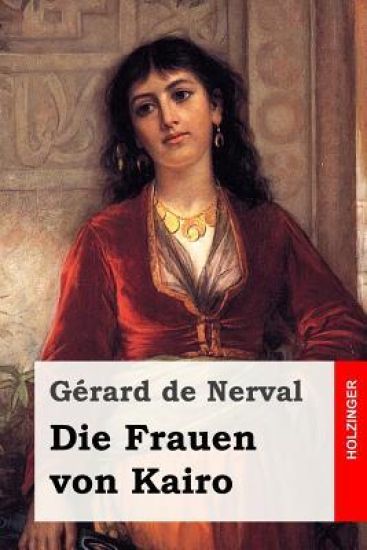
G rard de Nerval: Die Frauen von Kairo Edition Holzinger. Taschenbuch Berliner Ausgabe, 2017 Durchgesehener Neusatz bearbeitet und eingerichtet von Michael Holzinger Aus: Erz hlungen in drei B nden, M nchen, Drei Masken Verlag, 1921, bersetzt von Alfred Wolfenstein. Herausgeber der Reihe: Michael Holzinger Reihengestaltung: Viktor Harvion Umschlaggestaltung unter Verwendung des Bildes: John William Waterhouse, Die unerw nschte Begleiterin: Eine Stra enszene in Kairo, 1872 Gesetzt aus der Minion Pro, 11 pt.
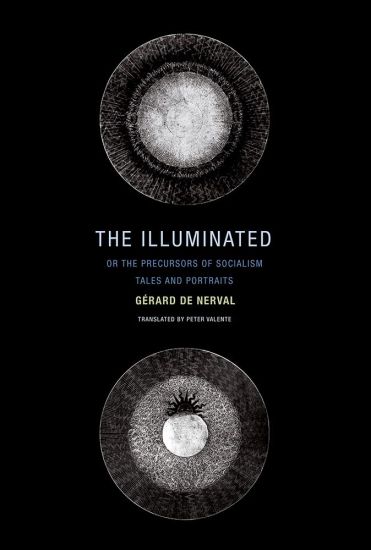
Poetical biographies of six radical thinkers from Cagliostro to Restif de la Bretonne, by the leading figure of French Romanticism First published in French in 1852, The Illuminated was the first of a string of Gérard de Nerval’s late works that would culminate in his posthumous fantastical autobiography Aurélia in 1855. The Illuminated collects six portraits of men whom Nerval mysteriously dubbed “precursors of socialism”—visionaries who together formed an alternative history of France and a backdrop to a mystical form of madness that Nerval ultimately claimed for himself. Nerval here presents the reader with Raoul Spifame, a mad lawyer who imagined himself to be Henry II; the Abbé de Bucquoy, a man who opposed the monarchy and whose amazing escapes suggested the possession of magical powers; Nicolas Restif de la Bretonne, the 18th-century theosophist who defined God in human terms rather than spiritual; the Count Alessandro di Cagliostro, the famous magus and alchemist; Jacques Cazotte, author of The Devil in Love, who created a synthesis between hermetic ideas and Catholic thought; and Quintus Aucler, a lawyer who sought to revive paganism in the unstable world of French society in the immediate aftermath of the Revolution of 1789. An overlooked work by Nerval, The Illuminated brings together the picturesque and pathos, a peculiar gallery of portraits that blur the boundaries between mysticism and mystification. Gérard de Nerval (1808–55) was a writer, poet and translator who wedded French and German Romanticism and transformed his research into mystic thought and his bouts of mental illness into such visionary works as Aurélia.