Kirjojen hintavertailu. Mukana 11 244 527 kirjaa ja 12 kauppaa.

Kirjahaku

Etsi kirjoja tekijän nimen, kirjan nimen tai ISBN:n perusteella.

2 kirjaa tekijältä Gerard Philip

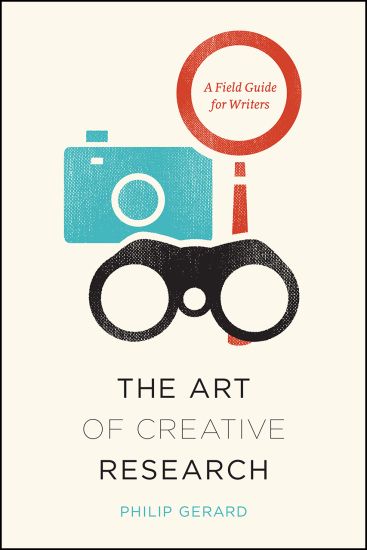
The Art of Creative Research

The Art of Creative Research

Gerard Philip

University of Chicago Press
2017
sidottu
All writers conduct research. For some this means poring over records and combing, archives but for many creative writers research happens in the everyday world when they scribble an observation on the subway, when they travel to get the feel for a city, or when they strike up a conversation with an interesting stranger.The Art of Creative Research helps writers take this natural inclination to explore and observe and turn it into a workable and enjoyable research plan. It shows that research shouldn't be seen as a dry, plodding aspect of writing. Instead, it's an art that all writers can master, one that unearths surprises and fuels imagination. This lends authenticity to fiction and poetry as well as nonfiction. Philip Gerard distills the process into fundamental questions: How do you conduct research? And what can you do with the information you gather? He covers both in-person research and work in archives and illustrates how the different types of research can be incorporated into stories, poems, and essays using examples from a wide range of writers in addition to those from his own projects. Throughout, Gerard brings knowledge from his seasoned background into play, drawing on his experiences as a reporter and a writer of both fiction and nonfiction. His enthusiasm for adventure is infectious and will inspire writers to step away from the keyboard and into the world. "Research can take you to that golden intersection where the personal meets the public, the private crosses the universal, where the best literature lives," Gerard writes. With his masterly guidance, anyone can become an expert in artful investigation.
Cape Fear Rising

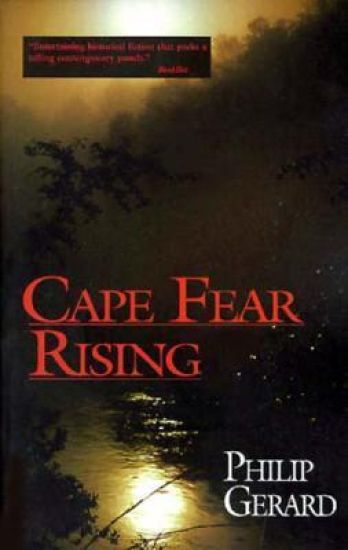
Cape Fear Rising

Gerard Philip

John F Blair Publisher
1997
pokkari
In August 1898, Wilmington, North Carolina, was a Mecca for middle-class black citizens. Many of the city's lawyers, businessmen, and other professionals were black, as were all the tradesmen and stevedores. The black community outnumbered the white community by more than two to one. But the white civic leaders, many descended from the antebellum aristocracy, did not consider this progress. They looked around and saw working class white citizens out of jobs. They heard black citizens addressing white neighbors "in the familiar." They hated the fact that local government was run by Republican "Fusionists" sympathetic to the black majority. Rumors began to fly. The newspaper office turned into an arsenal. Secret societies espousing white supremacy were formed. Isolated incidents occurred: a shot was fired through a streetcar bearing white passengers, a black cemetery was desecrated. This incendiary atmosphere was inflamed further by public speeches from an ex-Confederate colonel and a firebrand black preacher. One morning in November, the almost inevitable gunfire began. By the time order was restored, many of the city's most visible black leaders had been literally put on trains and told to leave town, hundreds of black citizens were forced to hide out in the city's cemetery or the nearby swamps to avoid massacre, and dozens of victims lay dead. Based on actual events, Cape Fear Rising tells a story of one city's racial nightmare—a nightmare that was repeated throughout the South at the turn of the century. Although told as fiction, the core of this novel strikes at the heart of racial strife in America. Philip Gerard is the author of five novels and eight books of nonfiction, including Down the Wild Cape Fear: A River Journey Through the Heart of North Carolina and The Patron Saint of Dreams, winner of the 2012 North American Gold Medal in Essay/Creative Nonfiction from The Independent Publisher. "[A] complex and convincing . . . story [that] smartly limns the tangled combination of economic, social and visceral elements that led Wilmington to violence . . . " —Publishers Weekly