Kirjojen hintavertailu. Mukana 11 244 527 kirjaa ja 12 kauppaa.

Kirjahaku

Etsi kirjoja tekijän nimen, kirjan nimen tai ISBN:n perusteella.

6 kirjaa tekijältä Gerd Althoff

Otto III

Otto III

Gerd Althoff

Pennsylvania State University Press
2002
pokkari
Otto III (980–1002) was one of the most powerful rulers in Europe in the late tenth century. He is also one of the most enigmatic. The son of the German emperor Otto II and the Greek princess Theophanu, he came to the throne at the age of three and was only twenty-one years old at the time of his death. Nonetheless, his reign had a lasting impact on both Germany and Italy for generations. In this book, Gerd Althoff provides a much-needed biography of this fascinating figure. In the process, he uses Otto’s life to explain how in practice early medieval kingship worked.
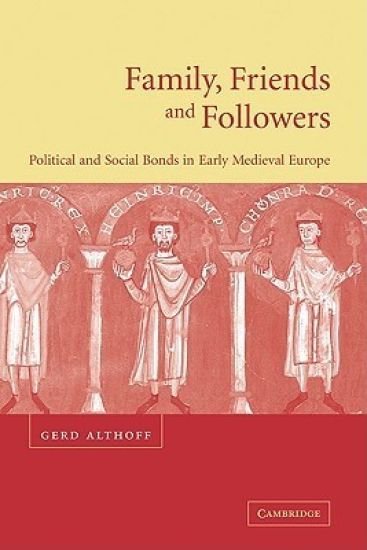
Family, Friends and Followers

Family, Friends and Followers

Gerd Althoff

Cambridge University Press
2004
sidottu
Political life in the middle ages was influenced heavily by the bonds people had to one another. Among these, the bonds of kinship, friendship and lordship were by far the most important. Ritual was also often used to create and strengthen these bonds, and conduct and behaviour within social groups was shaped by unwritten rules. People bound in these ways had a right to expect help and support from one another. Such bonds were both a fact and a necessity of life in the middle ages. Over time, however, these bonds and relationships changed, as did the rules and norms which governed them. The aim of this book is to document and describe the history of these crucial bonds, and the ways in which they shaped political life in Europe in the early and high middle ages.
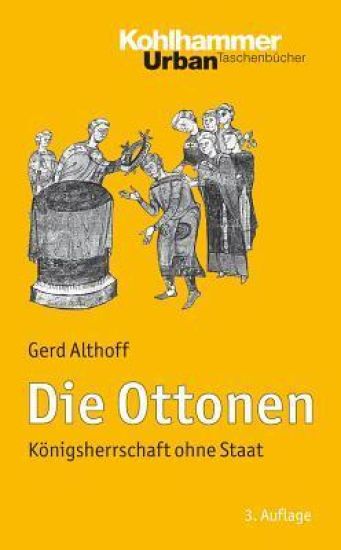
Die Ottonen: Konigsherrschaft Ohne Staat
Das 10. Jahrhundert unter der Konigsherrschaft der Ottonen hat im Geschichtsbewusstsein der Deutschen lange Zeit einen besonderen Platz eingenommen. Sie galten als Anfang und zugleich als ein fruher Hohepunkt der Geschichte der Deutschen. Seitdem die nationale Perspektive in den Hintergrund getreten ist, erschliesst die Forschung die Eigenart ottonischen Konigtums zunehmend als "Herrschaft ohne Staat". Nicht Amter, Verwaltung und Schriftlichkeit bestimmten die Herrschaftspraxis der Konige im 10. Jahrhundert, sondern mundliche Verfahren der Konsensstiftung und Willensbildung, rituelle Akte der Herrschaftsreprasentation und paraliturgische Demonstrationen ihres Gottesgnadentums. Dieses Buch macht diese neuen Forschungsperspektiven in einer chronologisch aufgebauten Darstellung der ottonischen Geschichte sichtbar.
Amicitiae Und Pacta: Bundnis, Einung, Politik Und Gebetsgedenken Im Beginnenden 10. Jahrhundert
Die auf die 1819 vom Reichsfreiherrn Karl vom Stein gegrundete "Gesellschaft fur altere deutsche Geschichtskunde" zuruckgehenden Monumenta Germaniae Historica haben die Aufgabe, durch kritische Quellen-Ausgaben und -Studien der wissenschaftlichen Erforschung der mittelalterlichen Geschichte Deutschlands und Europas zu dienen. Dieses Ziel verfolgen sie dadurch, dass sie in ihren Editionsreihen mittelalterliche Textquellen der Forschung zuganglich machen und durch kritische Studien zur wissenschaftlichen Erforschung der deutschen und europaischen Geschichte beitragen. Die Aufgaben der Monumenta Germaniae Historica haben sich in den letzten Jahrzehnten durch die Einbeziehung neuer Quellengruppen und durch die Vermehrung der Forschungsbereiche stetig erweitert. Neben Werken der Geschichtsschreibung, Urkunden, Gesetzen und Rechtsbuchern werden auch Briefsammlungen, Dichtungen, Memorialbucher und Necrologe, politische Traktate und Schriften zur Geistesgeschichte herausgegeben.
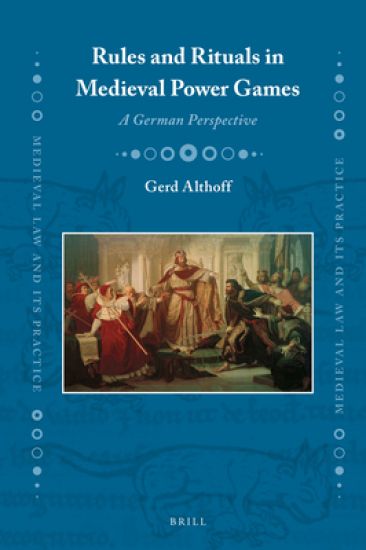
Rules and Rituals in Medieval Power Games
Gerd Althoff´s new book collects fifteen of his more recent contributions, most of them previously published in German, which elucidate the functioning of prestate societies. Examples from the Frankish and later German realm (800-1200) are used to clarify how rules and political rituals governed behavior in the power games between kings, churchmen and nobles. Such rules (Spielregeln) and rituals guided public and private behavior despite the fact that they existed only as unwritten customs. The long-overlooked significance of this way of establishing order has sparked a vivid and controversial international discussion in the last decades which continues today.