

Kirjahaku
Etsi kirjoja tekijän nimen, kirjan nimen tai ISBN:n perusteella.
6 kirjaa tekijältä Gerhard O. Forde

While there is increasing interest in the "theology of the cross," few people have specific knowledge of what makes it different from other kinds of theology. In On Being a Theologian of the Cross, Gerhard O. Forde provides an introduction to this theological perspective through an analysis of Luther's Heidelberg Disputation of 1518, the classic text of the theology of the cross. The book first clarifies the difference between a theology of glory and a theology of the cross and explains how each perspective shapes the very nature of being a theologian. The main body of the book provides commentary on the Heidelberg Disputation-the only complete analysis of this document currently available. Underlying Forde's exposition is the contention that one ought not to speak of the theology of the cross merely as another item among a host of theological options; instead, one must pursue what it means to be a theologian of the cross and to look at all things through suffering and the cross.

This book about Luther's theology is written out of a two-fold conviction. First, that many of our problems have arisen because we have not really understood our own traditions, especially in the case of Luther; and second, that there is still a lot of help for us in someone like Luther if we take the trouble to probe beneath the surface. It is an attempt to interpret Luther's theology for our own day. The fundamental theme of the book is the "down-to-earth" character of Luther's theology. In using this theme, Forde points out that we have failed to understand the basic thrust or direction of Luther's theology and that this failure has caused and is still causing us grief. Modern scholarship has demonstrated that Luther simply did not share the views on the nature of faith and salvation that subsequent generations have foisted upon him and used to interpret his thinking. This book attempts to bring the results of some of that scholarship to light and make it more accessible to those who are searching for answers today. The central questions of Christianity are examined in this fresh restatement of Luther's thought--the God-man relationship, the cross, the sacraments, this world and the next, and the role of the church. The author presents the "down-to-earth" character of Luther's theology in the hope that it will help individual Christians today to be both faithful to God and true to their human and social responsibilities.

The Captivation of the Will provocatively revisits a perennial topic of controversy: human free will. Highly esteemed Lutheran thinker Gerhard O. Forde cuts to the heart of the subject by reexamining the famous debate on the will between Luther and Erasmus. Following a substantial introduction by James A. Nestingen that brings to life the historical background of the debate, Forde thoroughly explores Luther's "Bondage of the Will" and the dispute between Erasmus and Luther that it reflects. In the process of exposing this debate's enduring significance for Christians, Forde highlights its central arguments about Scripture, God, the will, and salvation in Christ. Luther recognized that the only solution for humans bound by sin is the forgiveness that comes from Christ alone. Convinced that this insight represents the heart of the Christian gospel, Forde concludes with ten sermons that proclaim the message of salvation through Christ alone while elegantly relating theological inquiry to everyday life.
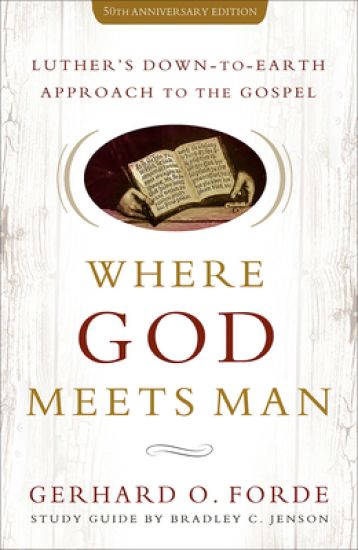
This book about Luther's theology is written out of a twofold conviction: first, that many of our problems have arisen because we have not really understood our own traditions, especially in the case of Luther; and second, that there is still a lot of help for us in someone like Luther if we take the trouble to probe beneath the surface. In this ground-breaking book, Forde interprets Luther's theology for our own day. The fundamental theme of the book is the down-to-earth character of Luther's theology. Through this theme, Forde points out that we have failed to understand the basic thrust of Luther's theology and that this failure has caused and still causes us grief. Modern scholarship has demonstrated that Luther did not actually share some of the views on the nature of faith and salvation that subsequent generations have foisted upon him and have used to interpret his thinking. This book attempts to bring the results of some of that scholarship to light and make it more accessible to those searching for answers today. The central questions of Christianity are examined in this fresh restatement of Luther's thought: the relationship between God and humanity, the cross, the sacraments, this world and the next, and the role of the church. The author presents the down-to-earth character of Luther's theology in the hope that it will help individual Christians today to be both faithful to God and true to their human and social responsibilities. This 50th Anniversary Edition includes a preface by Marianna Forde and a new study guide by Bradley C. Jenson, created to encourage new readings and conversations about Forde's influential take on Luther, theology, and the church.
