Kirjojen hintavertailu. Mukana 11 699 587 kirjaa ja 12 kauppaa.

Kirjahaku

Etsi kirjoja tekijän nimen, kirjan nimen tai ISBN:n perusteella.

8 kirjaa tekijältä Gerrie Schipske

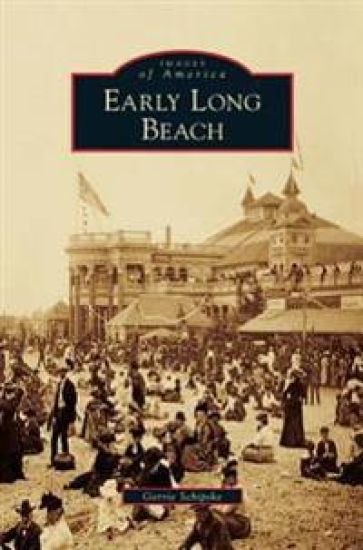
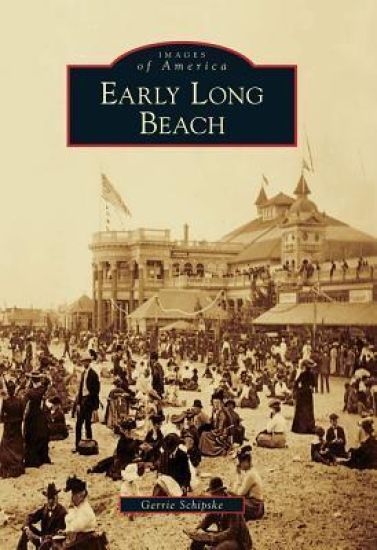
Early Long Beach

Early Long Beach

Gerrie Schipske

Arcadia Publishing (SC)
2011
nidottu
Few other cities can boast of the natural assets, the people, and the events that shaped the first 50 years of their history, as can the city of Long Beach, California. First inhabited by the Tongva people, the land was taken away by the Spanish, then granted to "friends of the King," who in turn sold parcels to real estate speculators working with the railroads. It was called many names before Belle Lowe suggested in 1884 that the townsite be known for its eight miles of long beaches. Its oceanfront provided a resort area, a landing strip for early aviators, a fishing industry, a port for shipbuilding and trade, and a location for the US Navy to anchor its "battle fleet" in 1919. However, discovery of oil in 1921 transformed the city, bringing incredible wealth and an explosive growth in population. By 1938, the city's population was 200,000 and would be a major factor in the Southern California war effort.
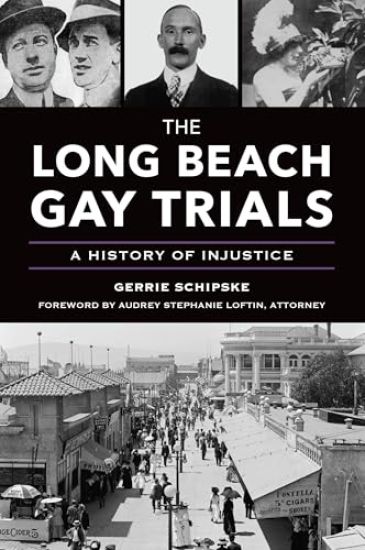
The Long Beach Gay Trials: A History of Injustice
How Long Beach caused the death of John A. Lamb. Immediately after his 1914 election as mayor of Long Beach, Louis Napoleon Whealton fired the chief of police and raided the city treasury. To replenish the funds, Mayor Whealton concocted a scheme to collect fines from any male "who made advances toward other men." Two special police officers entrapped and arrested thirty-one men, dragging them before a judge to pay up or risk a public trial. When one victim refused to play along, newspapers were quick to publish the names of everyone accused, including local pharmacist and popular churchman John A. Lamb. His suicide made headlines, but the city continued to target gay men well into this century. Author and historian Gerrie Schipske uncovers the story of a tragic death with far-reaching consequences in Long Beach.
LGBTQ+ Long Beach

LGBTQ+ Long Beach

Gerrie Schipske

Arcadia Publishing (SC)
2024
nidottu
Long Beach, California, founded in the 1880s by conservative, pro-temperance settlers, has been known as "American Colony," "Queen of the Beaches," "Iowa-By-The Sea," "Home of the Pike," and "Paradise for Pansies." This book gives a glimpse of how Long Beach went from making national headlines in 1914 for entrapping 31 gay men as "social vagrants" to receiving a perfect score on the Human Rights Campaign's "Municipal Equality Index" for issues that contribute to a positive climate for LGBTQA+ people. Over time, Long Beach changed, becoming one of the most diverse cities in California. Voters elected a lesbian to city council in 2006 and a gay mayor in 2014 who they sent to Congress in 2022. Its new main library is named in honor of its hometown lesbian heroine, Billie Jean King. Today, Long Beach has the third largest "Pride Parade and Festival" in California.
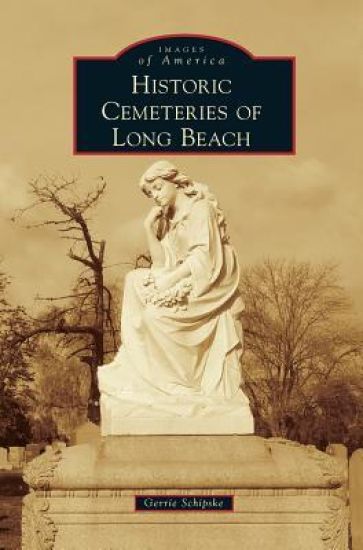
Historic Cemeteries of Long Beach

Historic Cemeteries of Long Beach

Gerrie Schipske

Arcadia Publishing Library Editions
2016
sidottu
The stories of those who lived in the city by the sea begin long before the 1878 date on the oldest headstone found in the city. Long Beach was the site of ceremonies, and perhaps the burial grounds, for the Tongva tribe. Many of those who later settled the city are buried in one of the four known cemeteries, Municipal, Sunnyside, Forest Lawn Long Beach, and All Souls. Two of the cemeteries hold the graves of several hundred Union and Confederate Civil War veterans, one Medal of Honor recipient, and a slave who served in the 1st Colored Heavy Artillery Regiment. The histories of the Municipal and Sunnyside Cemeteries include the 1921 discovery of oil, which made national news as descendants of the deceased fought for the oil underneath the graves. The fight resulted in a second Sunnyside Cemetery that later became Forest Lawn Long Beach. The scene of oil derricks surrounding the cemeteries was so surreal that it caught the attention of Ansel Adams, whose photographs of Sunnyside Cemetery are included.
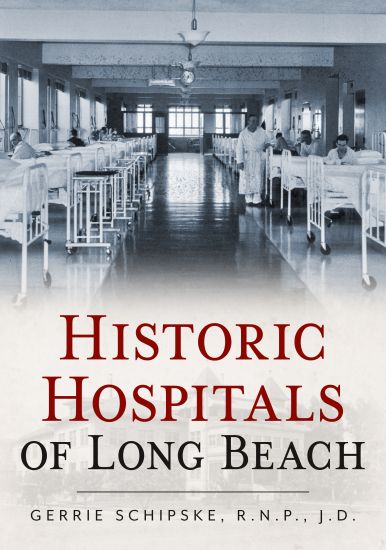
Historical Hospitals of Long Beach

Historical Hospitals of Long Beach

Gerrie Schipske

America Through Time
2019
nidottu
This book outlines the history of both Long Beach and its hospitals. Few other California cities can boast of their efforts to keep the public healthy as can Long Beach. Its first inhabitants, the Tongva, insisted on personal and household hygiene. The moment Long Beach became a city in 1897, officials established a board of public health and appointed a public health officer. Consequently, when epidemics struck, the city had fewer causalities. Residents of Long Beach, like most Americans in the early twentieth century, gave birth, treated illness and even underwent surgery at home. Hospitals were considered places for the poor and the severely infirm or places to quarantine contagious disease. The seaside's "perfect climate" was utilized by sanitariums to market relaxation and recuperation. As Long Beach grew, and its medical professionals became more sophisticated, sanitariums became hospitals. First, Long Beach Hospital, then Seaside, followed by St. Mary's, Community and Harriman Jones. Long a destination for retired and active military, Long Beach was also home to two Naval hospitals and one veteran's hospital.