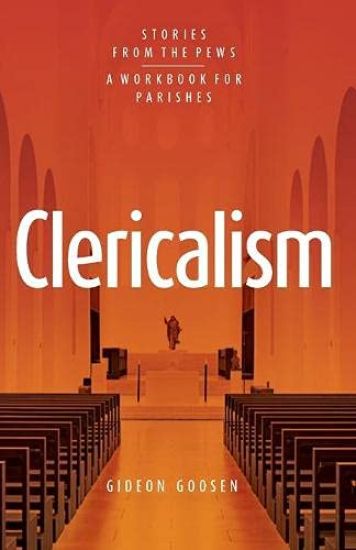
The spirit of clericalism in an evil that is present in the Church today and the victim of this spirt is the people, who feel discarded and abused. Pope FrancisMany societies and institutions reflect a situation where one group of people leads a privileged life, rules over the rest, and are not accountable to others.In the Catholic Church (and other churches), this can be called clericalism. One group (the clergy) have all the power, authority and are not accountable to the rest. The rest simply accept that this is the way things are and have few and very modest expectations.Clericalism: Stories From The Pews records Catholic's experiences of clericalism and responds to those encounters in the light of the Gospel witness, the nature of priesthood, the documents of the Second Vatican Council, and the constant teaching of Pope /Francis. It also explores issues such as seminary formation, appointment of bishops and attitudes to women in church.Clericalism is a workbook for parishes where priests and people together can consider the mission and structure of the church and plan for ways in which grown up Catholics can be formed as Christian disciples with adult faith and integrity.