
Kirjahaku
Etsi kirjoja tekijän nimen, kirjan nimen tai ISBN:n perusteella.
8 kirjaa tekijältä Gilbert L. Wilson


Uses of Plants by the Hidatsas of the Northern Plains
Gilbert L. Wilson
University of Nebraska Press
2014
sidottu
In 1916 anthropologist Gilbert L. Wilson worked closely with Buffalobird-woman, a highly respected Hidatsa born in 1839 on the Fort Berthold Reservation in western North Dakota, for a study of the Hidatsas' uses of local plants. What resulted was a treasure trove of ethnobotanical information that was buried for more than seventy-five years in Wilson's archives, now held jointly by the Minnesota Historical Society and the American Museum of Natural History in New York City. Wilson recorded Buffalobird-woman's insightful and vivid descriptions of how the nineteenth-century Hidatsa people had gathered, prepared, and used the plants and wood in their local environment for food, medicine, smoking, fiber, fuel, dye, toys, rituals, and construction. From courtship rituals that took place while gathering Juneberries, to descriptions of how the women kept young boys from stealing wild plums as they prepared them for use, to recipes for preparing and cooking local plants, Uses of Plants by the Hidatsas of the Northern Plains provides valuable details of Hidatsa daily life during the nineteenth century.
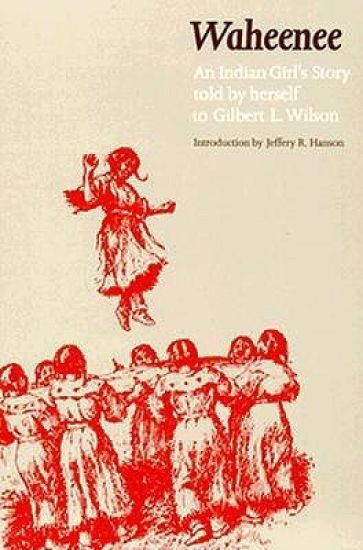
"I was born in an earth lodge by the mouth of the Knife River, in what is now North Dakota, three years after the smallpox winter." So begins the story of Waheenee, a Hidatsa Indian woman, born in 1839 amid a devastated tribe. In 1906 Gilbert L. Wilson first visited the Fort Berthold Indian Reservation and began to study the remnants of the Hidatsa tribe. He returned in 1908, sponsored by the American Museum of Natural History, and for every summer of the next ten years he worked among the Hidatsas, making notes of all he saw. One of his chief informants was Waheenee-wea, or Buffalo-Bird Woman, who told him this, her life story.


This book, "Myths Of The Red Children", by Gilbert L. Wilson, is a replication of a book originally published before 1891. It has been restored by human beings, page by page, so that you may enjoy it in a form as close to the original as possible. This book was created using print-on-demand technology. Thank you for supporting classic literature.