Kirjojen hintavertailu. Mukana 11 699 587 kirjaa ja 12 kauppaa.

Kirjahaku

Etsi kirjoja tekijän nimen, kirjan nimen tai ISBN:n perusteella.

10 kirjaa tekijältä Gilbert Meilaender

The Limits of Love

The Limits of Love

Gilbert Meilaender

Pennsylvania State University Press
1992
pokkari
Reflecting upon some problems of the moral life, Gilbert Meilaender considers their difficulties within a vision that accentuates not only the limits, but also the promise, of the Christian story. Created by God as finite beings, we make particular attachments. Redeemed by God for a community transcending nature and history, our love always carries us beyond the special bonds of time and place. We live, therefore, with a sense of permanent tension.If this tension heightens our sense of the perplexities of life, it should not free us from the obligation to probe, clarify, and (where we can) resolve some of those difficulties. The author holds that theological ethics must clarify the direction for growth and development within the Christian life. He undertakes such analysis, emphasizing throughout the limits of the human condition, the importance of our nature as embodied persons, and the danger and pretension in some of our attempts to take control of and master human life. This Christian vision is developed in chapters that explore a range of moral problems, such as abortion, artificial reproduction, euthanasia, care for defective infants, provision of artificial nutrition and hydration, and marital and political community. These are throughout, however, theological explorations. Taken together they illumine not only particular problems of the moral life but a vision of life—classically Christian in its conception, humane in its care for particular bonds of attachment, and modest in its recognition of moral limits on our ability to seek the good.Meilaender has developed a broad recognition both among scholars and students of ethics and among interested general readers. He has the capacity to throw fresh angles of vision on complex problems so as to help both the sophisticated and the uninitiated reader to think more penetratingly about moral questions.
Should We Live Forever?

Should We Live Forever?

Gilbert Meilaender

William B Eerdmans Publishing Co
2013
nidottu
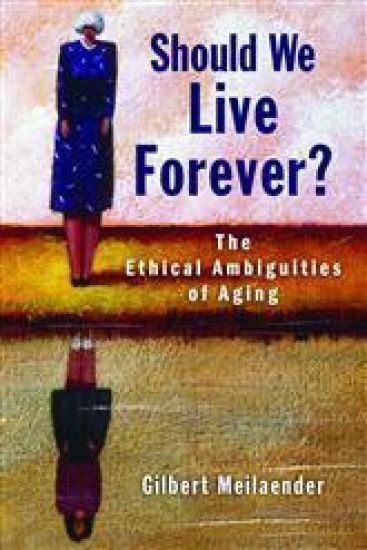
In Should We Live Forever? Christian ethicist Gilbert Meilaender puzzles over the implications of the medical advances that have lengthened the human life span, wrestling with what this quest for living longer means for our conception of living well and completely. As he points out in his introduction, -That we often desire, even greedily desire, longer life is clear; whether what we desire is truly desirable is harder to say.- The six chapters of this book take multiple perspectives on issues surrounding aging and invite readers to consider whether -indefinitely more life- is something worth pursuing and, if humans are created for life with God, whether longer life will truly satisfy our underlying hunger.
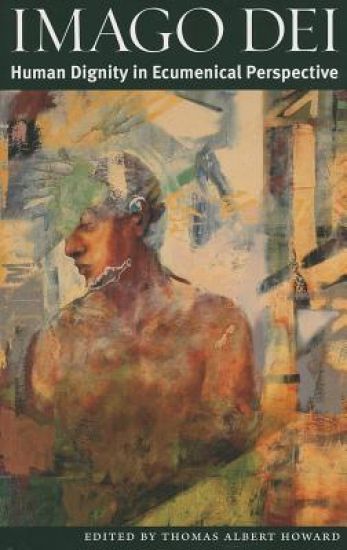
Imago Dei

Imago Dei

Gilbert Meilaender

The Catholic University of America Press
2013
nidottu
What does it mean when we speak of human dignity? What challenges does human dignity confront in our culture today? What is the relationship between contemporary understandings of human dignity and the ancient Christian doctrine of imago Dei, the view that human beings are created in ""the image and likeness of God""?This book pursues these and related questions in the form of an ecumenical ""trialogue"" by leading scholars from the three major Christian traditions: John Behr from the Eastern Orthodox tradition, Russell Hittinger from the Catholic, and C. Ben Mitchell from the Protestant tradition. The book is the first of its kind to foster an ecumenical conversation around teachings of imago Dei and present-day understandings of human dignity. The three chapter-essays, the editor's introduction, and the afterword by Lutheran theologian Gilbert Meilaender draw from a wide array of sources, including Scripture, patristic works, ancients creeds, medieval and Thomistic writings, papal encyclicals, Protestant confessional statements, the works of modern theologians, and more. Imago Dei will serve as an indispensable resource for those wishing to deepen their grasp of the theological bases for Christian views of human dignity, as well as for those who believe that Christ's words ""that they be one"" (John 17:21) remain a theological imperative today. The combination of ethical inquiry and ecumenical collaboration makes this timely book a unique and compelling contribution to present-day Christian thought.
Thy Will Be Done – The Ten Commandments and the Christian Life

Thy Will Be Done – The Ten Commandments and the Christian Life

Gilbert Meilaender

Baker Academic, Div of Baker Publishing Group
2020
sidottu
This short, accessible, but theologically substantive volume unfolds the significance of the Ten Commandments for the Christian life. Gilbert Meilaender, one of today's leading Christian ethicists, places the commandments in the larger context of the biblical history of redemption and invites readers to wrestle with how human loves should relate to the first commandment: to love God above all else. As he approaches the Decalogue from this perspective, Meilaender helps Christians learn what it means to say, "Thy will be done."
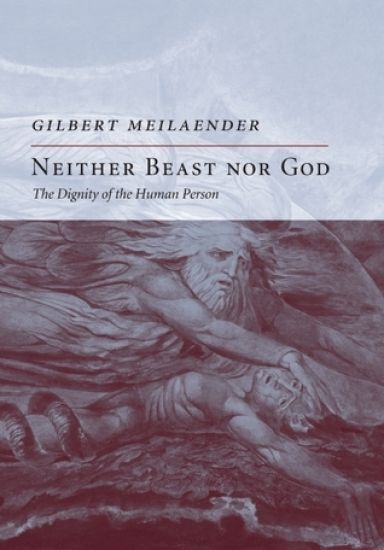
Neither Beast Nor God

Neither Beast Nor God

Gilbert Meilaender

Encounter Books,USA
2009
sidottu
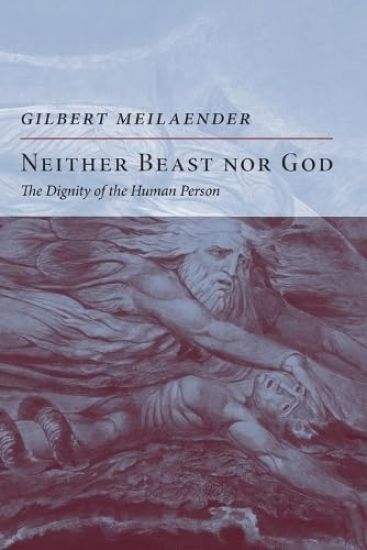
Appeals to "human dignity" are at the core of many of the most contentious social and political issues of our time. But these appeals suggest different and at times even contradictory ways of understanding the term. Is dignity something we all share equally, and therefore the reason we all ought to be treated as equals? Or is it what distinguishes some greater and more admirable human beings from the rest? What notion of human dignity should inform our private judgments and our public life? In Neither Beast Nor God, Gilbert Meilaender elaborates the philosophical, social, theological, and political implications of the question of dignity, and suggests a path through the thicket. Meilaender, a noted theologian and a prominent voice in America's bioethics debates, traces the ways in which notions of dignity shape societies, families, and individual lives, and incisively cuts through some common confusions that cloud our thinking on key moral and ethical questions. The dignity of humanity and the dignity of the person, he argues, are distinct but deeply connected--and only by grasping them both can we find our way to a meaningful understanding of the human condition.
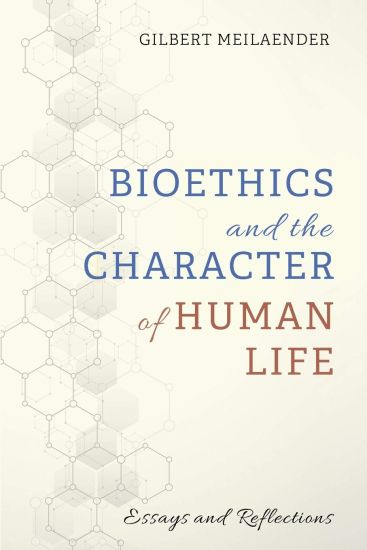
Bioethics and the Character of Human Life

Bioethics and the Character of Human Life

Gilbert Meilaender

Cascade Books
2020
pokkari
In the essays collected here Gilbert Meilaender invites readers to reflect upon some of the bioethical issues that are important for all of us. The essays treat bioethics less as a discipline confined to a few experts than as a deeply humanistic set of concerns that inevitably draws us into religious and metaphysical issues. From reflections on his experience as a member of the President's Council on Bioethics to the way in which Christian trinitarian teaching has shaped what it means to be a person, from life's beginning to its ending, these essays offer readers a chance to think about matters of fundamental human significance.
Bioethics and the Character of Human Life

Bioethics and the Character of Human Life

Gilbert Meilaender

Cascade Books
2020
sidottu
In the essays collected here Gilbert Meilaender invites readers to reflect upon some of the bioethical issues that are important for all of us. The essays treat bioethics less as a discipline confined to a few experts than as a deeply humanistic set of concerns that inevitably draws us into religious and metaphysical issues. From reflections on his experience as a member of the President's Council on Bioethics to the way in which Christian trinitarian teaching has shaped what it means to be a person, from life's beginning to its ending, these essays offer readers a chance to think about matters of fundamental human significance.