Kirjojen hintavertailu. Mukana 11 342 296 kirjaa ja 12 kauppaa.

Kirjahaku

Etsi kirjoja tekijän nimen, kirjan nimen tai ISBN:n perusteella.

4 kirjaa tekijältä Gilberto Rosas

Barrio Libre

Barrio Libre

Gilberto Rosas

Duke University Press
2012
sidottu
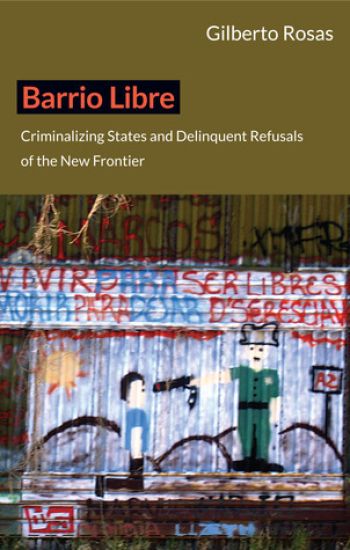
The city of Nogales straddles the border running between Arizona and Sonora, Mexico. On the Mexican side, marginalized youths calling themselves Barrio Libre (Free 'Hood) employ violence, theft, and bribery to survive, often preying on undocumented migrants who navigate the city's sewer system to cross the US-Mexico border. In this book, Gilberto Rosas draws on his in-depth ethnographic research among the members of Barrio Libre to understand why they have embraced criminality and how neoliberalism and security policies on both sides of the border have affected the youths' descent into Barrio Libre. Rosas argues that although these youths participate in the victimization of others, they should not be demonized. They are complexly and adversely situated. The effects of NAFTA have forced many of them, as well as other Mexicans, to migrate to Nogales. Moving fluidly with the youths through the spaces that they inhabit and control, he shows how the militarization of the border actually destabilized the region and led Barrio Libre to turn to increasingly violent activities, including drug trafficking. By focusing on these youths and their delinquency, Rosas demonstrates how capitalism and criminality shape perceptions and experiences of race, sovereignty, and resistance along the US-Mexico border.
Barrio Libre

Barrio Libre

Gilberto Rosas

Duke University Press
2012
pokkari
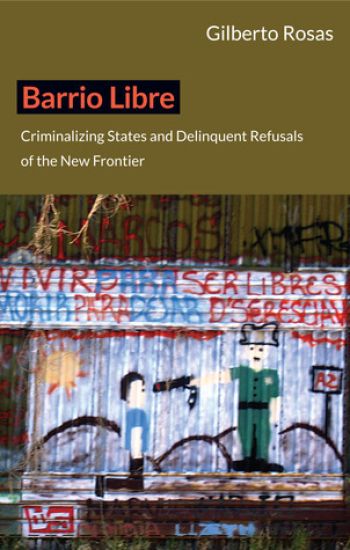
The city of Nogales straddles the border running between Arizona and Sonora, Mexico. On the Mexican side, marginalized youths calling themselves Barrio Libre (Free 'Hood) employ violence, theft, and bribery to survive, often preying on undocumented migrants who navigate the city's sewer system to cross the US-Mexico border. In this book, Gilberto Rosas draws on his in-depth ethnographic research among the members of Barrio Libre to understand why they have embraced criminality and how neoliberalism and security policies on both sides of the border have affected the youths' descent into Barrio Libre. Rosas argues that although these youths participate in the victimization of others, they should not be demonized. They are complexly and adversely situated. The effects of NAFTA have forced many of them, as well as other Mexicans, to migrate to Nogales. Moving fluidly with the youths through the spaces that they inhabit and control, he shows how the militarization of the border actually destabilized the region and led Barrio Libre to turn to increasingly violent activities, including drug trafficking. By focusing on these youths and their delinquency, Rosas demonstrates how capitalism and criminality shape perceptions and experiences of race, sovereignty, and resistance along the US-Mexico border.
Unsettling

Unsettling

Gilberto Rosas

Johns Hopkins University Press
2023
sidottu
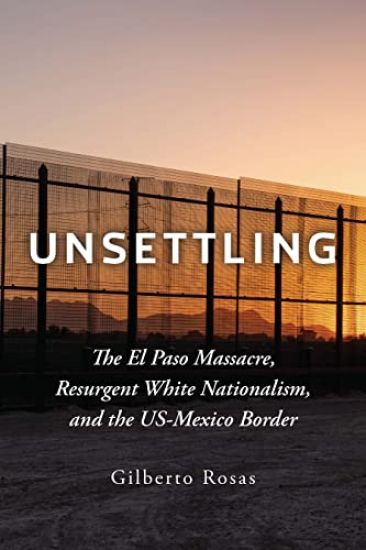
Analyzes how border and immigration enforcement culminated in a mass shooting in El Paso, Texas.Honorable Mention for the American Ethnological Society Senior Book PrizeOn August 3, 2019, a far-right extremist committed a deadly mass shooting at a major shopping center in El Paso, Texas, a city on the border of the United States and Mexico. In Unsettling, Gilberto Rosas situates this devastating shooting as the latest unsettling consequence of our border crisis and currents of deeply rooted white nationalism embedded in the United States. Tracing strict immigration policies and inhumane border treatment from the Clinton era through Democratic and Republican administrations alike, Rosas shows how the rhetoric around these policies helped lead to the Trump administration's brutal crackdown on migration—and the massacre in El Paso. Rosas draws on poignant stories and compelling testimonies from workers in immigrant justice organizations, federal public defenders, immigration attorneys, and human rights activists to document the cruelties and indignities inflicted on border crossers. Borders, as sites of crossings and spaces long inhabited by marginalized populations, generate deep anxiety across much of the contemporary world. Rosas demonstrates how the Trump administration amplified and weaponized immigration and border policy, including family separation, torture, and murder. None of this dehumanization and violence was inevitable, however. The border zone in El Paso (which translates to "the Pass") was once a very different place, one marked by frequent and inconsequential crossings to and from both sides—and with more humane immigration policies, it could become that once again.