Kirjojen hintavertailu. Mukana 11 244 527 kirjaa ja 12 kauppaa.

Kirjahaku

Etsi kirjoja tekijän nimen, kirjan nimen tai ISBN:n perusteella.

6 kirjaa tekijältä Gill Bennett

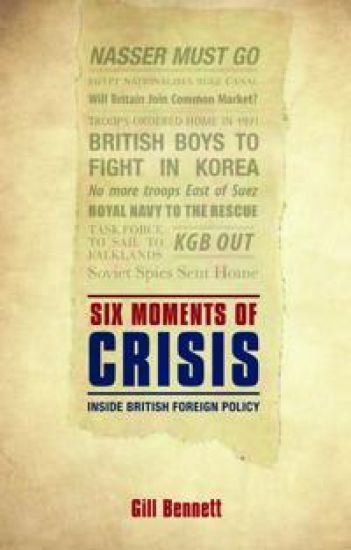
Six Moments of Crisis

Six Moments of Crisis

Gill Bennett

Oxford University Press
2014
nidottu
Former Whitehall insider Gill Bennett unravels the story of six crucial British foreign policy challenges since the Second World War, from the Korean War to the Falklands conflict, offering an inside account of episodes that shaped Britain's position in the world for decades to come - and in some cases still arouse controversy to this day. Lifting the lid on the making of British foreign policy from Clement Attlee to Margaret Thatcher, Bennett reveals each decision in a way that has never been done before: telling the story from the inside out and without hindsight. The result is a book that explains not just why these controversial decisions were taken, but one that shows us how history is actually made - and also just how difficult these big decisions really were. Gill Bennett considers exactly what ministers knew at the time; how personal experience, relationships, past events and prevailing circumstance influenced the decision-making process; and how the balance of history was tipped in each case: by argument, moral imperative, obligation - or even sheer force of personality.
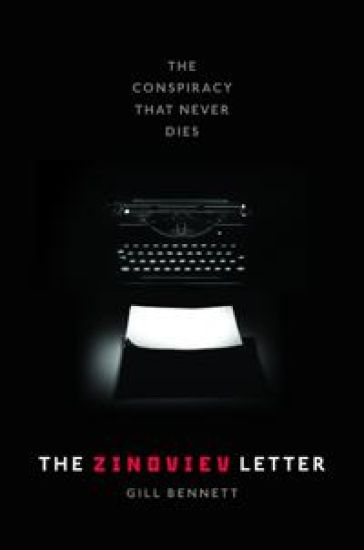
The Zinoviev Letter

The Zinoviev Letter

Gill Bennett

Oxford University Press
2018
sidottu
This is the story of one of the most enduring conspiracy theories in British politics, an intrigue that still has resonance nearly a century after it was written: the Zinoviev Letter of 1924. Almost certainly a forgery, no original has ever been traced, and even if genuine it was probably Soviet fake news. Despite this, the Letter still haunts British politics nearly a century after it was written, the subject of major Whitehall investigations in the 1960s and 1990s, and cropping up in the media as recently as during the Referendum campaign and the 2017 general election. The Letter, encouraging the British proletariat to greater revolutionary fervour, was apparently sent by Grigori Zinoviev, head of the Bolshevik propaganda organization, to the British Communist Party in September 1924. Sent to London through British Secret Intelligence Service channels, it arrived during the general election campaign and was leaked to the press. The Letter's publication by the Daily Mail on 25 October 1924 just before the General Election humiliated the first ever British Labour government, headed by Ramsay MacDonald, when its political opponents used it to create a 'Red Scare' in the media. Labour blamed the Letter for its defeat, insisting there had been a right-wing Establishment conspiracy, and many in the Labour Party have never forgotten it. The Zinoviev Letter has long been a symbol of political dirty tricks and what we would now call fake news. But it is also a gripping historical detective story of spies and secrets, fraud and forgery, international subversion and the nascent global conflict between communism and capitalism.
The Zinoviev Letter

The Zinoviev Letter

Gill Bennett

Oxford University Press
2020
nidottu
This is the story of one of the most enduring conspiracy theories in British politics, an intrigue that still has resonance almost a century later: the Zinoviev Letter of 1924. Almost certainly a forgery, no original has ever been traced, and even if genuine it was probably Soviet 'fake news'. Despite this, the Letter still haunts British politics nearly a century after it was written; it was the subject of major Whitehall investigations in the 1960s and 1990s, and cropped up in the media as recently as during the Referendum campaign and the 2017 general election. The Letter, encouraging the British proletariat to greater revolutionary fervour, was apparently sent by Grigori Zinoviev, head of the Bolshevik propaganda organization, to the British Communist Party in September 1924. Sent to London through British Secret Intelligence Service channels, it arrived during the general election campaign and was leaked to the press. The Letter's publication by the Daily Mail on 25 October 1924 just before the General Election humiliated the first ever British Labour government, headed by Ramsay MacDonald, when its political opponents used it to create a 'Red Scare' in the media. Labour blamed the Letter for its defeat, insisting there had been a right-wing Establishment conspiracy, and many in the Labour Party have never forgotten it. The Zinoviev Letter has long been a symbol of political dirty tricks and what we would now call 'fake news'. But it is also a gripping historical detective story of spies and secrets, fraud and forgery, international subversion and the nascent global conflict between communism and capitalism.
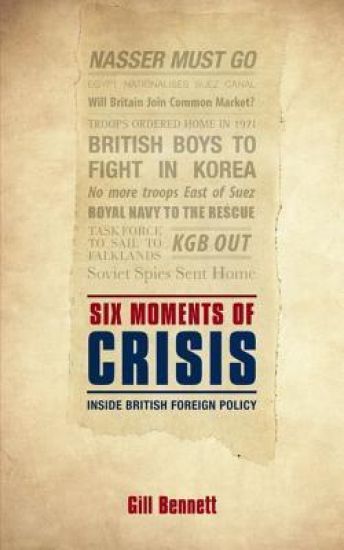
Six Moments of Crisis

Six Moments of Crisis

Gill Bennett

Oxford University Press
2013
sidottu
Former Whitehall insider Gill Bennett unravels the story of six crucial British foreign policy challenges since the Second World War, from the Korean War to the Falklands conflict, offering an inside account of episodes that shaped Britain's position in the world for decades to come - and in some cases still arouse controversy to this day. Lifting the lid on the making of British foreign policy from Clement Attlee to Margaret Thatcher, Bennett reveals each decision in a way that has never been done before: telling the story from the inside out and without hindsight. The result is a book that explains not just why these controversial decisions were taken, but one that shows us how history is actually made - and also just how difficult these big decisions really were. Gill Bennett considers exactly what ministers knew at the time; how personal experience, relationships, past events and prevailing circumstance influenced the decision-making process; and how the balance of history was tipped in each case: by argument, moral imperative, obligation - or even sheer force of personality.

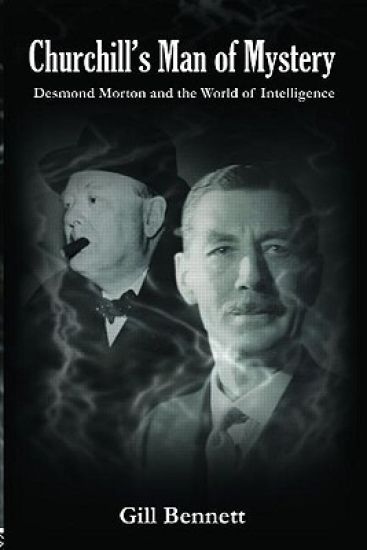
Churchill's Man of Mystery

Churchill's Man of Mystery

Gill Bennett

Routledge
2006
sidottu
The mysterious life and career of Desmond Morton, Intelligence officer and personal adviser to Winston Churchill during the Second World War, is exposed for the first time in this study based on full access to official records. After distinguished service as artillery officer and aide-de-camp to General Haig during the First World War, Morton worked for the Secret Intelligence Service from 1919-1934, and the fortunes of SIS in the interwar years are described here in unprecedented detail. As Director of the Industrial Intelligence Centre in the 1930s, Morton’s warnings of Germany’s military and industrial preparations for war were widely read in Whitehall, though they failed to accelerate British rearmament as much as Morton - and Churchill - considered imperative. Morton had met Churchill on the Western Front in 1916 and supported him throughout the ‘wilderness years’, moving to Downing Street as the Prime Minister’s Intelligence adviser in May 1940. There he remained in a liaison role, with the Intelligence Agencies and with Allied resistance authorities, until the end of the war, when he became a ‘troubleshooter’ for the Treasury in a series of tricky international assignments. Throughout Morton’s career, myth, rumour and deliberate obfuscation have created a misleading picture of his role and influence. This book shines a light into many hitherto shadowy corners of British history in the first half of the twentieth century.This book will be of great interest to scholars and informed lay readers with an interest in the Second World War, intelligence studies and the life of Winston Churchill.
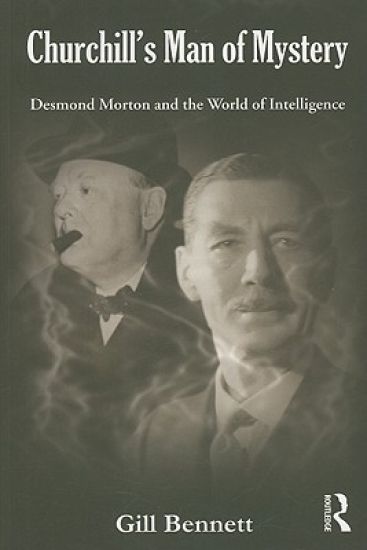
Churchill's Man of Mystery

Churchill's Man of Mystery

Gill Bennett

Routledge
2009
nidottu
The mysterious life and career of Desmond Morton, Intelligence officer and personal adviser to Winston Churchill during the Second World War, is exposed for the first time in this study based on full access to official records. After distinguished service as artillery officer and aide-de-camp to General Haig during the First World War, Morton worked for the Secret Intelligence Service from 1919-1934, and the fortunes of SIS in the interwar years are described here in unprecedented detail. As Director of the Industrial Intelligence Centre in the 1930s, Morton’s warnings of Germany’s military and industrial preparations for war were widely read in Whitehall, though they failed to accelerate British rearmament as much as Morton - and Churchill - considered imperative. Morton had met Churchill on the Western Front in 1916 and supported him throughout the ‘wilderness years’, moving to Downing Street as the Prime Minister’s Intelligence adviser in May 1940. There he remained in a liaison role, with the Intelligence Agencies and with Allied resistance authorities, until the end of the war, when he became a ‘troubleshooter’ for the Treasury in a series of tricky international assignments. Throughout Morton’s career, myth, rumour and deliberate obfuscation have created a misleading picture of his role and influence. This book shines a light into many hitherto shadowy corners of British history in the first half of the twentieth century.This book will be of great interest to scholars and informed lay readers with an interest in the Second World War, intelligence studies and the life of Winston Churchill.