Kirjojen hintavertailu. Mukana 11 244 527 kirjaa ja 12 kauppaa.

Kirjahaku

Etsi kirjoja tekijän nimen, kirjan nimen tai ISBN:n perusteella.

7 kirjaa tekijältä Giovanni Aloi

Speculative Taxidermy

Speculative Taxidermy

Giovanni Aloi

Columbia University Press
2018
sidottu
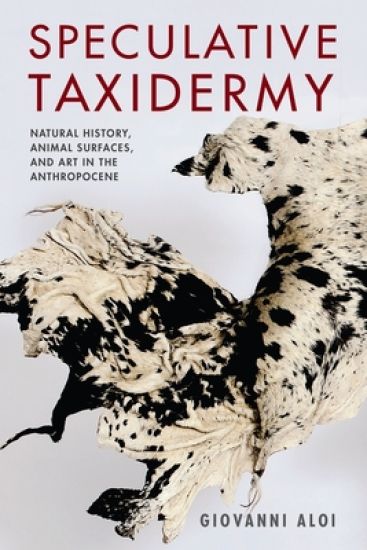
Taxidermy, once the province of natural history and dedicated to the pursuit of lifelike realism, has recently resurfaced in the world of contemporary art,culture, and interior design. In Speculative Taxidermy, Giovanni Aloi offers a comprehensive mapping of the discourses and practices that have enabled the emergence of taxidermy in contemporary art. Drawing on the speculative turn in philosophy and recovering past alternative histories of art and materiality from a biopolitical perspective, Aloi theorizes speculative taxidermy: a powerful interface that unlocks new ethical and political opportunities in human-animal relationships and speaks to how animal representation conveys the urgency of climate change, capitalist exploitation, and mass extinction. A resolutely nonanthropocentric take on the materiality of one of the most controversial mediums in art, this approach relentlessly questions past and present ideas of human separation from the animal kingdom. It situates taxidermy as a powerful interface between humans and animals, rooted in a shared ontological and physical vulnerability. Carefully considering a select number of key examples including the work of Nandipha Mntambo, Maria Papadimitriou, Mark Dion, Berlinde De Bruyckere, Roni Horn, Oleg Kulik, Steve Bishop, Snaebjornsdottir/Wilson, and Cole Swanson,Speculative Taxidermy contextualizes the resilient presence of animal skin in the gallery space as a productive opportunity to rethink ethical and political stances in human-animal relationships.
Speculative Taxidermy

Speculative Taxidermy

Giovanni Aloi

Columbia University Press
2018
pokkari
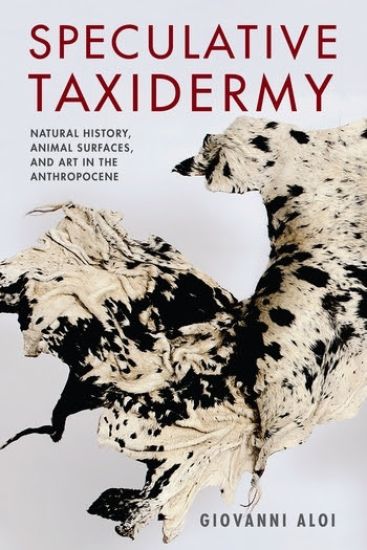
Taxidermy, once the province of natural history and dedicated to the pursuit of lifelike realism, has recently resurfaced in the world of contemporary art,culture, and interior design. In Speculative Taxidermy, Giovanni Aloi offers a comprehensive mapping of the discourses and practices that have enabled the emergence of taxidermy in contemporary art. Drawing on the speculative turn in philosophy and recovering past alternative histories of art and materiality from a biopolitical perspective, Aloi theorizes speculative taxidermy: a powerful interface that unlocks new ethical and political opportunities in human-animal relationships and speaks to how animal representation conveys the urgency of climate change, capitalist exploitation, and mass extinction. A resolutely nonanthropocentric take on the materiality of one of the most controversial mediums in art, this approach relentlessly questions past and present ideas of human separation from the animal kingdom. It situates taxidermy as a powerful interface between humans and animals, rooted in a shared ontological and physical vulnerability. Carefully considering a select number of key examples including the work of Nandipha Mntambo, Maria Papadimitriou, Mark Dion, Berlinde De Bruyckere, Roni Horn, Oleg Kulik, Steve Bishop, Snaebjornsdottir/Wilson, and Cole Swanson,Speculative Taxidermy contextualizes the resilient presence of animal skin in the gallery space as a productive opportunity to rethink ethical and political stances in human-animal relationships.
I'm Not an Artist

I'm Not an Artist

Giovanni Aloi

BLOOMSBURY PUBLISHING PLC
2025
sidottu
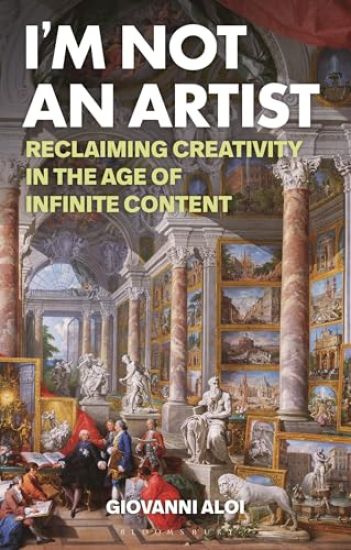
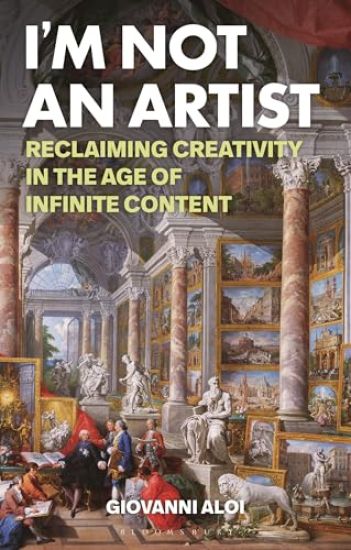
Romanticized notions of how one becomes an “artist” have long been questioned, so why do we still fetishize them in popular culture, turning a blind eye to the politics of exclusionism that characterize the art world and conforming our creative potential to well-trodden stereotypes?I'm Not an Artist is a critical appraisal of the role of the artist through time and an account of how successful artists have conquered their spot in the history of art, from the rise of the Renaissance artist star to the multiplicity of artistic identities we see in the creative landscape today.Entertaining, informative, and packed with important but lesser-known stories about how artists became famous, it examines the cultural importance of the professional label “artist” and invites readers to “give up the artist myth” in order to rediscover creativity beyond the stronghold of institutions, markets, trends, and cultural clichés. It’s a book about art, artists, art history, and the art market as well as the role creativity plays in our lives and how outdated power structures and professional labels are a hindrance to unlocking creative potential. Openly engaging with the contradictions and paradoxes that currently define the relationship between artists, the education system, and the art market, the book proposes an eco-cultural model that can allow artists to reconfigure their identities, and in the process tilt the artworld’s axis.By turns a critical framework for examining what constitutes the term “artist”, an alternative art historical account and a no holds barred guide to how the art world really works, this boundary-breaking book challenges existing practices, methodologies, and metrics of success, calling for a fairer art world that is non-elitist and multicultural. It allows readers to critically position themselves in today’s art world in a clear, ethically grounded, and responsible way.
I'm Not an Artist

I'm Not an Artist

Giovanni Aloi

BLOOMSBURY PUBLISHING PLC
2025
nidottu
Romanticized notions of how one becomes an “artist” have long been questioned, so why do we still fetishize them in popular culture, turning a blind eye to the politics of exclusionism that characterize the art world and conforming our creative potential to well-trodden stereotypes?I'm Not an Artist is a critical appraisal of the role of the artist through time and an account of how successful artists have conquered their spot in the history of art, from the rise of the Renaissance artist star to the multiplicity of artistic identities we see in the creative landscape today.Entertaining, informative, and packed with important but lesser-known stories about how artists became famous, it examines the cultural importance of the professional label “artist” and invites readers to “give up the artist myth” in order to rediscover creativity beyond the stronghold of institutions, markets, trends, and cultural clichés. It’s a book about art, artists, art history, and the art market as well as the role creativity plays in our lives and how outdated power structures and professional labels are a hindrance to unlocking creative potential. Openly engaging with the contradictions and paradoxes that currently define the relationship between artists, the education system, and the art market, the book proposes an eco-cultural model that can allow artists to reconfigure their identities, and in the process tilt the artworld’s axis.By turns a critical framework for examining what constitutes the term “artist”, an alternative art historical account and a no holds barred guide to how the art world really works, this boundary-breaking book challenges existing practices, methodologies, and metrics of success, calling for a fairer art world that is non-elitist and multicultural. It allows readers to critically position themselves in today’s art world in a clear, ethically grounded, and responsible way.
Botanical Revolutions

Botanical Revolutions

Giovanni Aloi

GETTY TRUST PUBLICATIONS
2025
sidottu
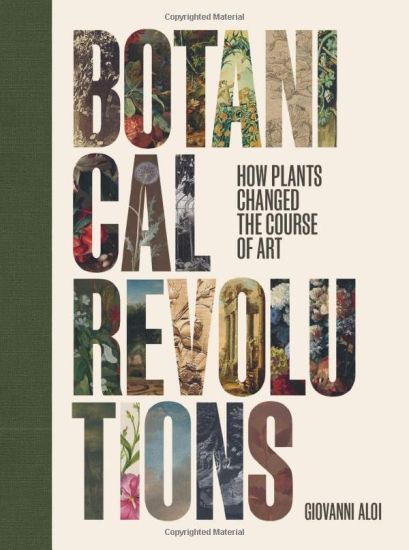
Desired for their aesthetic beauty, sought after for their medicinal properties, harvested for their scents and flavors, or grown as indispensable material resources, plants are indissolubly entwined with our existence. In art it is no different: plants have played a critical role. Yet despite their significant material and conceptual contributions, plants have been sidelined in the commentary of art historians and critics. Botanical Revolutions presents a global history of plants in art, focusing on the crucial moments that signaled the formation of new movements and styles, as well as the creation of media that could not have occurred without the involvement of and interaction with the vegetal world. In this fascinating and beautifully illustrated book, author Giovanni Aloi delves deeply into the history and representation of plants in art, advocates for a change in our relationship with the botanical world, and presents an alternative history of art that foregrounds the truly indispensable contributions of plants.
Lucian Freud Herbarium

Lucian Freud Herbarium

Giovanni Aloi

Prestel
2019
sidottu
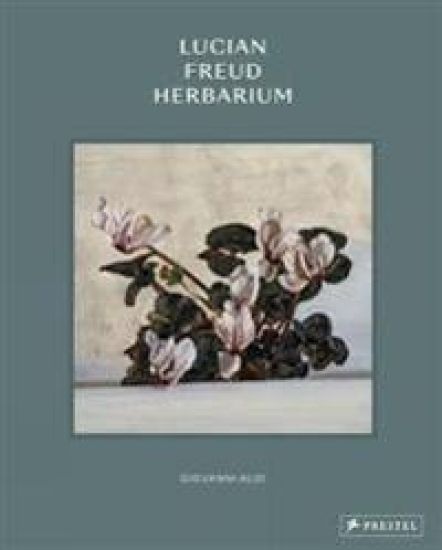
Lucian Freud’s portraits are known for their spectacular detail and unflinching gaze. Although Freud brought the same qualities to his paintings and drawings of plants, flowers, and landscapes, these are largely unknown. This elegant book shows how working with plants emboldened Freud to experiment with style and composition. Reproduced in sumptuous plates that allow readers to indulge in exquisite detail, seventy-five works – including Two Plants, Bananas, Cyclamen, The Painter’s Garden, and Interior at Paddington – reveal Freud’s singular approach to plant life. Readers unfamiliar with this aspect of Freud’s work will find many similarities to his portraits – earthy palettes, unconventional rawness, and assiduous attention to detail. From the delicate realism of the cyclamens’ petals to the bold brushstrokes that immortalize his overgrown garden, readers will appreciate Freud’s ability to portray plants in new and personal ways. Comparative illustrations from throughout art history accompany essays on the history of plants in art and an appreciation of Freud’s oeuvre. This monograph is a tremendous contribution to Freud’s legacy, one that will enrich his admirers’ discernment while also introducing his thoroughly original depictions of plants to a new audience.