Kirjojen hintavertailu. Mukana 11 627 220 kirjaa ja 12 kauppaa.

Kirjahaku

Etsi kirjoja tekijän nimen, kirjan nimen tai ISBN:n perusteella.

4 kirjaa tekijältä Giulio Boccaletti

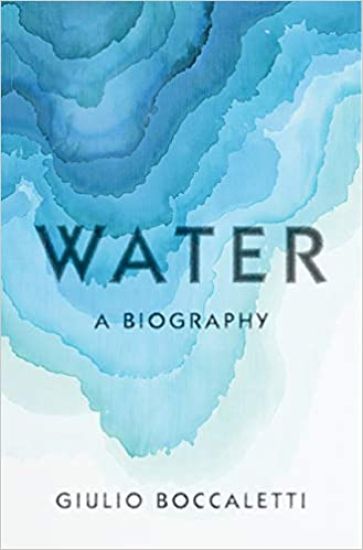
Water

Water

Giulio Boccaletti

RANDOM HOUSE USA INC
2022
nidottu
Spanning millennia and continents, here is a stunningly revealing history of how the distribution of water has shaped human civilization. Boccaletti, of The Nature Conservancy, "tackles the most important story of our time: our relationship with water in a world of looming scarcity" (Kelly McEvers, NPR Host). Writing with authority and brio, Giulio Boc­caletti--honorary research associate at the Smith School of Enterprise and the Environment, Univer­sity of Oxford--shrewdly combines environmental and social history, beginning with the earliest civ­ilizations of sedentary farmers on the banks of the Nile, the Tigris, and the Euphrates Rivers. Even as he describes how these societies were made possible by sea-level changes from the last glacial melt, he incisively examines how this type of farming led to irrigation and multiple cropping, which, in turn, led to a population explosion and labor specialization. We see with clarity how irrigation's structure informed social structure (inventions such as the calendar sprung from agricultural necessity); how in ancient Greece, the communal ownership of wells laid the groundwork for democracy; how the Greek and Roman experiences with water security resulted in systems of taxation; and how the modern world as we know it began with a legal framework for the development of water infrastructure. Extraordinary for its monumental scope and piercing insightfulness, Water: A Biography richly enlarges our understanding of our relationship to--and fundamental reliance on--the most elemental substance on earth.
The Environmental Republic

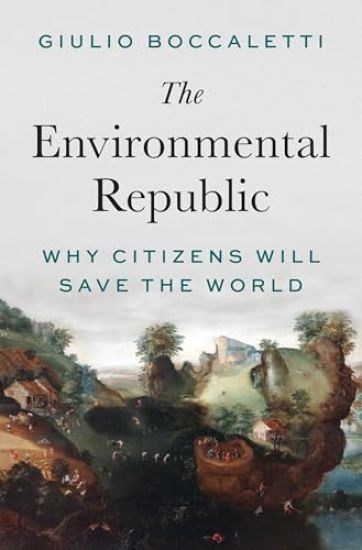
The Environmental Republic

Giulio Boccaletti

PRINCETON UNIVERSITY PRESS
2026
sidottu
A bold new conception of the republic for a planet in crisis Republicanism is arguably the most powerful political idea in history, an extraordinary feat of human imagination that balances individual liberty with collective responsibility. The Environmental Republic reclaims this idea as the path to sustaining our life together on a changing planet, reframing our relationship to the environment not as a constraint on liberty but as its republican foundation. Giulio Boccaletti argues that we must renew our commitment to freedom and civic responsibility through popular sovereignty. He presents the environmental republic as a necessary alternative to blind faith in technocratic management, the shallow moralizing and apocalyptic rhetoric of some activists, and the disingenuous skepticism of vested interests. Our environmental challenges are not simply about “agreeing on the facts” or living within technical limitations—they reflect a deeper failure of political institutions. Drawing on the history of ideas and real-world examples, Boccaletti presents a political framework that places our relationship to our surroundings at the heart of how we exercise our voice, coordinate collective action, and define development itself. Offering hope in an anxious age of rising authoritarianism and widespread pessimism, The Environmental Republic challenges the false choice between environmental protection and human freedom, showing how place-based institutions can deliver both sustainability and human development through true self-governance.
Water

Water

Giulio Boccaletti

RANDOM HOUSE USA INC
2021
sidottu
Spanning millennia and continents, here is a stunningly revealing history of how the distribution of water has shaped human civilization. Boccaletti, of The Nature Conservancy, "tackles the most important story of our time: our relationship with water in a world of looming scarcity" (Kelly McEvers, NPR Host). Writing with authority and brio, Giulio Boc­caletti--honorary research associate at the Smith School of Enterprise and the Environment, Univer­sity of Oxford--shrewdly combines environmental and social history, beginning with the earliest civ­ilizations of sedentary farmers on the banks of the Nile, the Tigris, and the Euphrates Rivers. Even as he describes how these societies were made possible by sea-level changes from the last glacial melt, he incisively examines how this type of farming led to irrigation and multiple cropping, which, in turn, led to a population explosion and labor specialization. We see with clarity how irrigation's structure informed social structure (inventions such as the calendar sprung from agricultural necessity); how in ancient Greece, the communal ownership of wells laid the groundwork for democracy; how the Greek and Roman experiences with water security resulted in systems of taxation; and how the modern world as we know it began with a legal framework for the development of water infrastructure. Extraordinary for its monumental scope and piercing insightfulness, Water: A Biography richly enlarges our understanding of our relationship to--and fundamental reliance on--the most elemental substance on earth.