Kirjojen hintavertailu. Mukana 11 699 587 kirjaa ja 12 kauppaa.

Kirjahaku

Etsi kirjoja tekijän nimen, kirjan nimen tai ISBN:n perusteella.

5 kirjaa tekijältä Graeme Were

Lines That Connect

Lines That Connect

Graeme Were

University of Hawai'i Press
2010
sidottu
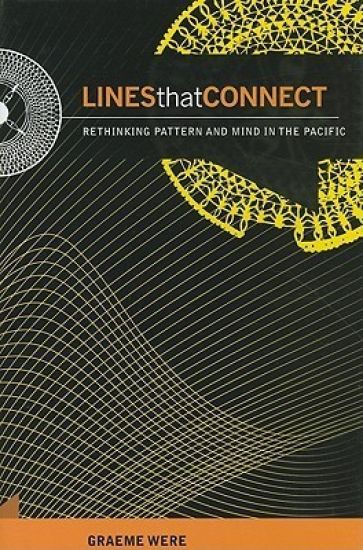
Building on historical and contemporary literature in anthropology and art theory, ""Lines That Connect"" treats pattern as a material form of thought that provokes connections between disparate things through processes of resemblance, memory, and transformation. Pattern is constantly in a state of motion as it traverses spatial and temporal divides and acts as an endless source for innovation through its inherent transformability. Graeme Were argues that it is the ideas carried by pattern's relational capacity that allows Pacific islanders to express their links to land, genealogy, and resources in the most economic ways. In doing so, his book is a timely and unique contribution to the analysis of pattern and decorative art in the Pacific amid growing debates in anthropology and art history. This striking and original study brings together objects and photographs, historical literature and contemporary ethnographic case studies to explore pattern in its logical workings. It presents the first-ever analysis of the well-known patterned shell valuable called kapkap as revealed in New Ireland mortuary feasts. Innovative research in the study of Christianity and the Baha'i faithful in the region shows how pattern has been appropriated in new religious communities. Were argues that pattern is used in various guises in performances, church architecture, and funerary images to contrasting effect. He explores the conditions under which pattern facilitates a connecting of old and new ideas and how missionary processes are implicated in this flow. He then considers the mechanisms under which pattern is internalized, paying particular attention to its embeddedness in spatial and numerical thinking. Finally, he examines how pattern carries new materials and technologies, which in turn provide new resources for sustaining old beliefs. Drawing on a multitude of fields (anthropology; art history; Pacific, museum, and religious studies; education; ethnomathematics), ""Lines That Connect"" raises key questions about the capacity of pattern across the Pacific to bind and sustain ideas about place, body, and genealogy in the most logical of ways.
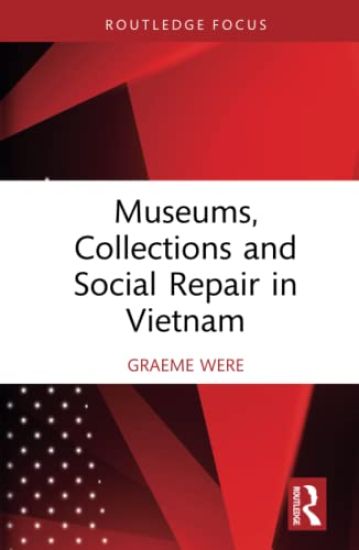
Museums, Collections and Social Repair in Vietnam
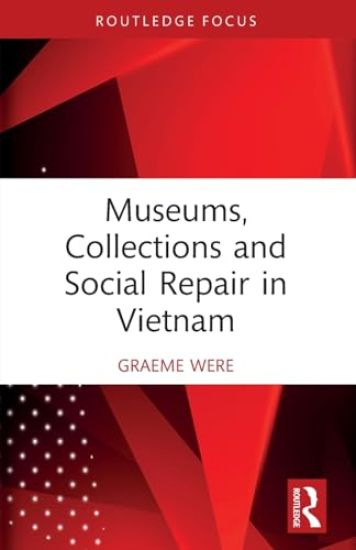
Museums, Collections and Social Repair in Vietnam analyses the relationship between museums, collections and social repair in contemporary Vietnam. Drawing on fieldwork in a range of museums in the country, alongside interviews with museum workers and stakeholders, and analyses of museum exhibitions, the book explores how museums help ordinary people overcome loss suffered during conflict. Focusing on key objects in museum collections that elicit strong emotions or feelings, Graeme Were examines their relationship to social repair and transformation, in order to understand what mobilises survivors, families and communities to recover and re-evaluate memory and give prominence to grievances and loss or future hopes and aspirations. Arguing that nationalist frameworks no longer adequately account for the diverse agendas of Vietnamese museums, this book brings into question the dynamics between history and memory; the capacity of the museum to repair injury, loss or suffering; and the limits of historical memory beyond the control of a one-party state. Museums, Collections and Social Repair in Vietnam analyses the role of museums in transforming lives and creating a just future. It will be of interest to academics and students engaged in the study of museums, heritage, Asia, tourism and anthropology.
Museums, Collections and Social Repair in Vietnam
Museums, Collections and Social Repair in Vietnam analyses the relationship between museums, collections and social repair in contemporary Vietnam. Drawing on fieldwork in a range of museums in the country, alongside interviews with museum workers and stakeholders, and analyses of museum exhibitions, the book explores how museums help ordinary people overcome loss suffered during conflict. Focusing on key objects in museum collections that elicit strong emotions or feelings, Graeme Were examines their relationship to social repair and transformation, in order to understand what mobilises survivors, families and communities to recover and re-evaluate memory and give prominence to grievances and loss or future hopes and aspirations. Arguing that nationalist frameworks no longer adequately account for the diverse agendas of Vietnamese museums, this book brings into question the dynamics between history and memory; the capacity of the museum to repair injury, loss or suffering; and the limits of historical memory beyond the control of a one-party state. Museums, Collections and Social Repair in Vietnam analyses the role of museums in transforming lives and creating a just future. It will be of interest to academics and students engaged in the study of museums, heritage, Asia, tourism and anthropology.
How Materials Matter

How Materials Matter

Graeme Were

Berghahn Books
2019
sidottu
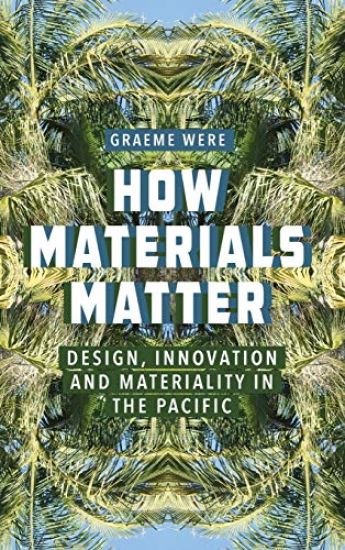
How does design and innovation shape people’s lives in the Pacific? Focusing on plant materials from the region, How Materials Matter reveals ways in which a variety of people – from craftswomen and scientists to architects and politicians – work with materials to transform worlds. Recognizing the fragile and ephemeral nature of plant fibres, this work delves into how the biophysical properties of certain leaves and their aesthetic appearance are utilized to communicate information and manage different forms of relations. It breaks new ground by situating plant materials at the centre of innovation in a region.
How Materials Matter

How Materials Matter

Graeme Were

BERGHAHN BOOKS
2023
nidottu
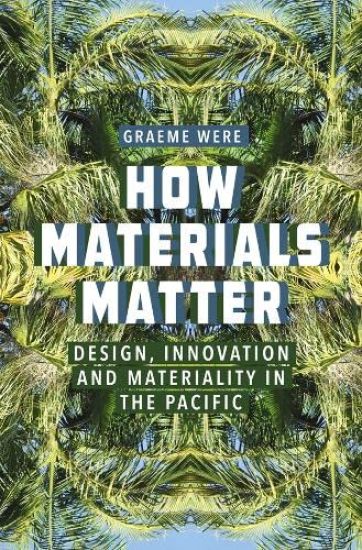
How does design and innovation shape people’s lives in the Pacific? Focusing on plant materials from the region, How Materials Matter reveals ways in which a variety of people – from craftswomen and scientists to architects and politicians – work with materials to transform worlds. Recognizing the fragile and ephemeral nature of plant fibres, this work delves into how the biophysical properties of certain leaves and their aesthetic appearance are utilized to communicate information and manage different forms of relations. It breaks new ground by situating plant materials at the centre of innovation in a region.