Kirjojen hintavertailu. Mukana 11 717 486 kirjaa ja 12 kauppaa.

Kirjahaku

Etsi kirjoja tekijän nimen, kirjan nimen tai ISBN:n perusteella.

2 kirjaa tekijältä Graham M. Brooker

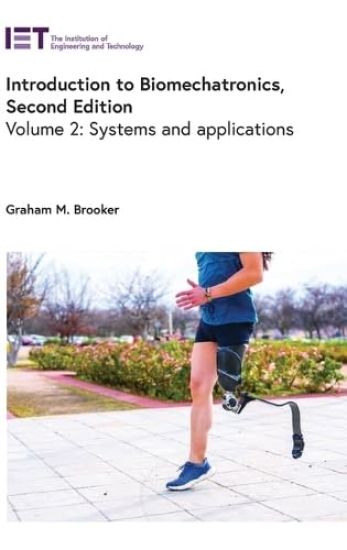
Introduction to Biomechatronics

Introduction to Biomechatronics

Graham M. Brooker

INSTITUTION OF ENGINEERING AND TECHNOLOGY
2025
sidottu
Introduction to Biomechatronics, Second Edition, combines fundamental mechatronic (mechanics, electronics, robotics) engineering knowledge with state-of-the-art device designs that improve quality of life for patients worldwide. This new edition is comprehensively updated and includes new chapters on brain-machine interfaces and exoskeletons. These volumes bring together mechanics and electronics with human systems, showing how technology can interact with human muscle, skeleton, and nervous systems to assist or replace limbs, senses, and even organs damaged by trauma, birth defects, or diseases. Volume 1: Mechatronic considerations provides the engineering background to understand all the components of a biomechatronic system: the human subject, stimulus or actuation, transducers and sensors, signal conditioning elements, and feedback and control systems. Volume 2: Systems and applications discusses devices used with specific functional systems of the body to which biomechatronics can be applied including: the nervous, respiratory, cardiovascular, and musculoskeletal systems, examining historical perspectives, technical advances and engineering analysis of current technological solutions such as developing prosthetic limbs or aids for locomotion, hearing, vision, and the cardiovascular system. Introduction to Biomechatronics, Second Edition is essential reading for researchers and students in biomedical, mechanical, mechatronic and electrical engineers and those in related fields of robotics, sensors, computer science or healthcare systems device design.
Introduction to Biomechatronics

Introduction to Biomechatronics

Graham M. Brooker

SciTech Publishing Inc
2012
sidottu
This is the age of biomechatronics, a time where mechanics and electronics can interact with human muscle, skeleton, and nervous systems to assist or replace limbs, senses, and even organs damaged by trauma, birth defects, or disease. Introduction to Biomechatronics provides biomedical engineering students and professionals with the fundamental mechatronic (mechanics, electronics, robotics) engineering knowledge they need to analyze and design devices that improve lives. The first half of the book provides the engineering background to understand all the components of a biomechatronic system: the human subject, stimulus or actuation, transducers and sensors, signal conditioning elements, recording and display, and feedback elements. It also includes the major functional systems of the body to which biomechatronics can be applied including: biochemical, nervous, cardiovascular, respiratory, and musculoskeletal. The second half discusses five broadly based inventions from a historical perspective and supported by the relevant technical detail and engineering analysis. It begins with the development of hearing prostheses including middle-ear implantable hearing devices and the amazingly successful cochlear implant. This is followed by sensory substitution and visual prostheses that researchers hope will do the same for the blind as the cochlear implant has done for the deaf. The last three chapters are more mechatronic in focus, examining artificial hearts, respiratory aids from the iron lung to the latest CPAP devices, and finally artificial limbs from the first hooks and peg legs to limbs that move and have a sense of touch. Introduction to Biomechatronics provides readers with the engineering background to analyze and design biomechatronic devices, and inspires them to greater designs by discussing successful inventions that have done the most to improve our lives.