Kirjojen hintavertailu. Mukana 11 244 527 kirjaa ja 12 kauppaa.

Kirjahaku

Etsi kirjoja tekijän nimen, kirjan nimen tai ISBN:n perusteella.

54 kirjaa tekijältä Greg Gilbert

Favor

Favor

Greg Gilbert

Baker Academic, Div of Baker Publishing Group
2017
nidottu
Many Christians are under the impression that God's grace and his favor are two different things--that while his grace may be a gift, his favor is something we must earn. This misunderstanding has led to destructive teachings about "prosperity" and blessings, and ultimately to lives that feel unfulfilled and inadequate.Pastor Greg Gilbert puts favor back in its rightful place, as God's gift through Jesus Christ. He shows how the favor that Jesus earned through his perfect life and sacrificial death becomes ours the moment we believe. Knowing we already have God's favor frees us to live joyous lives no matter what our physical or material circumstances.For anyone who has felt beaten down by the burden of trying to earn God's blessings, this book will provide you with a strong start on a life of confidence in God.
Assured – Discover Grace, Let Go of Guilt, and Rest in Your Salvation

Assured – Discover Grace, Let Go of Guilt, and Rest in Your Salvation

Greg Gilbert

Baker Books, a division of Baker Publishing Group
2019
nidottu
Despite our professions of belief, our baptisms, and our membership in the church, many of us secretly wonder, Am I truly saved? We worry that our love for Jesus isn't fervent enough (or isn't as fervent as someone else's). We worry that our faith isn't strong enough. We struggle through the continuing presence of sin in our lives. All this steals the joy of our salvation and can lead us into a life characterized by legalism, perfectionism, and works righteousness--the very life Jesus freed us from at the cross!But Greg Gilbert has a message for the anxious believer--be assured. Assured that your salvation experience was real. Assured that your sins--past, present, and future--are forgiven. Assured that everyone stumbles. Assured that Jesus is not your judge but your advocate. With deep compassion, Gilbert comforts readers, encouraging them to release their guilt, shame, and anxiety to rejoice in and follow hard after the One who set them free.
James

James

Greg Gilbert

Crossway Books
2013
pokkari
"A tremendous resource for those wanting to study and teach the Bible with an understanding of how the gospel is woven throughout Scripture." —Bryan Chapell, Pastor, Grace Presbyterian Church The Knowing the Bible series is a resource designed to help Bible readers better understand and apply God’s Word. These 12-week studies lead participants through books of the Bible and are made up of four basic components: (1) reflection questions help readers engage the text at a deeper level; (2) “Gospel Glimpses” highlight the gospel of grace throughout the book; (3) “Whole-Bible Connections” show how any given passage connects to the Bible’s overarching story of redemption, culminating in Christ; and (4) “Theological Soundings” identify how historic orthodox doctrines are taught or reinforced throughout Scripture. With contributions from an array of influential pastors and church leaders, these gospel-centered studies will help Christians see and cherish the message of God’s grace on every page of the Bible. The book of James has a well-deserved reputation for providing practical advice, yet it also contains challenging teachings on wealth, anointing with oil, prayer, healing, and the relationship between faith and works. Through clear exposition of the biblical text and thoughtful application questions, this guide helps us rightly understand James as a stirring exhortation to fruitfulness—ultimately reminding us of the necessary connection between genuine faith and heartfelt obedience.
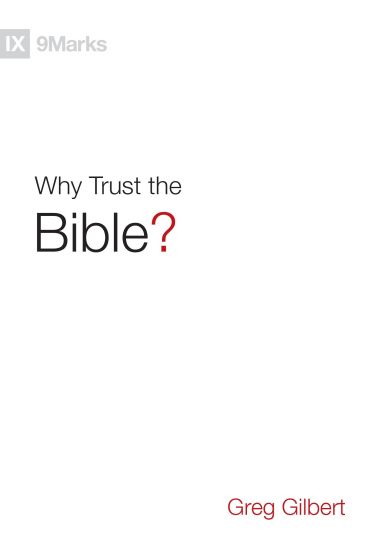
Why Trust the Bible?

Why Trust the Bible?

Greg Gilbert

Crossway Books
2015
sidottu
The Bible stands at the heart of the Christian faith. But this leads to an inescapable question: why should we trust the Bible? Written to help non-Christians, longtime Christians, and everyone in between better understand why God’s Word is reliable, this short book explores the historical and theological arguments that have helped lead millions of believers through the centuries to trust the Bible, from Genesis to Revelation. Written by pastor Greg Gilbert, author of the popular books What Is the Gospel? and Who Is Jesus?, this volume will help Christians articulate why they trust the Bible when it comes to who God is, who we are, and how we’re supposed to live.
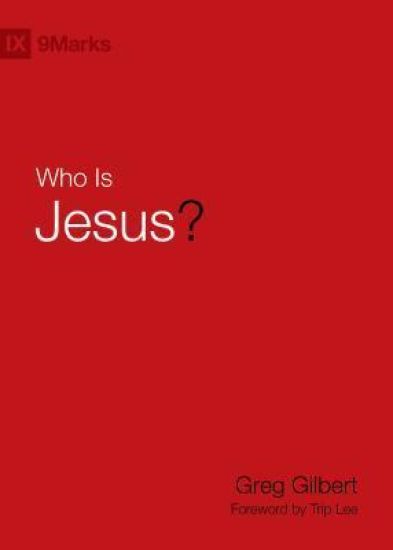
Who Is Jesus?

Who Is Jesus?

Greg Gilbert

Crossway Books
2015
sidottu
A famed historian once noted that, regardless of what you think of him personally, Jesus Christ stands as the central figure in the history of Western civilization. A man violently rejected by some and passionately worshipped by others, Jesus remains as polarizing as ever. But most people still know very little about who he really was, why he was really here, or what he really claimed. Intended as a succinct introduction to Jesus’s life, words, and enduring significance, Who Is Jesus? offers non-Christians and new Christians alike a compelling portrait of Jesus Christ. Ultimately, this book encourages readers to carefully consider the history-shaping life and extraordinary teachings of the greatest man who ever lived.
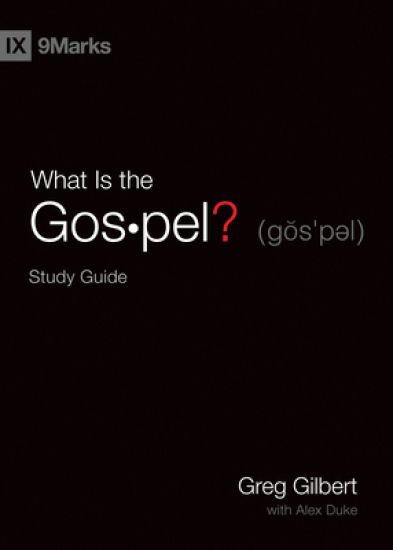
What Is the Gospel? Study Guide

What Is the Gospel? Study Guide

Greg Gilbert

Crossway Books
2020
pokkari
"What Is the Gospel? Study Guide will capture your mind’s attention and ignite your heart’s affection for the God who saves us by his grace through his gospel for his glory."—David Platt, Pastor-Teacher, McLean Bible Church; author, Radical: Taking Back Your Faith from the American Dream What Is the Gospel? This simple question has major implications for both Christians and non-Christians alike. This study guide, together with Greg Gilbert’s best-selling book What Is the Gospel?, will help you answer this important question and apply the gospel to your life.
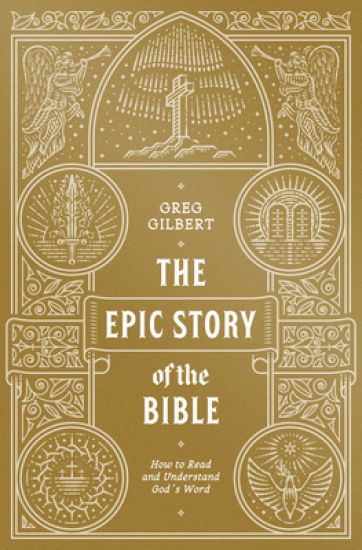
The Epic Story of the Bible

The Epic Story of the Bible

Greg Gilbert

Crossway Books
2022
pokkari
A User-Friendly Introduction to Interpreting and Understanding God's Word Many Christians view the Bible as a book that they know they should read, but it can be hard to know where to start. If they spend time regularly reading it, it can often feel like a chore to be checked off for the day. What many miss is that the Bible is a sweeping story full of narrative, poetry, and letters—something to be marveled at and enjoyed. In The Epic Story of the Bible, Greg Gilbert aims to teach Christians—or those interested in Christianity—what the Bible is and how to study it. Explaining the various genres and major themes woven throughout Scripture, Gilbert helps readers appreciate the word of God with less confusion and greater confidence. Adapted from the ESV Story of Redemption Bible. Accessible: Written in an approachable and easy-to-read format Ideal for New Christians or Interested Non-Christians: A good introduction to understanding the Bible for those wanting to take the next step in learning more about their faith Gospel-Oriented: Points readers to the gospel for the purpose of deeper understanding and worship Examines Major Scriptural Themes: Gilbert shows how themes such as God’s presence, covenant, kingship, and sacrifice are woven throughout Scripture
Why Trust the Bible? Study Guide

Why Trust the Bible? Study Guide

Greg Gilbert

Crossway Books
2021
pokkari
A Study Guide to Why Trust the Bible? Many people wonder why anyone would trust a book that was written over two thousand years ago. This study guide, paired with Greg Gilbert’s book Why Trust the Bible?, will help both Christian and non-Christian readers answer questions about the reliability of the Bible.
Who Is Jesus? Study Guide

Who Is Jesus? Study Guide

Greg Gilbert

Crossway Books
2021
pokkari
A Study Guide to Who Is Jesus? Both Christians and non-Christians must reckon with the answer to this simple question. This study guide, a companion to Greg Gilbert’s book Who Is Jesus?, invites readers to reflect on Jesus’s life and sacrifice, and what they mean for their lives.
Can Women Be Pastors?

Can Women Be Pastors?

Greg Gilbert

Crossway Books
2022
pokkari
Concise, Scripture-Centered Guide Answers Popular Questions about Gender and Church Leadership Many new believers have questions about what it means to live as a Christian in the context of a local church, and pastors are looking for resources to pass along to their congregations to help them think biblically about the Christian life. Church Questions is a series by 9Marks that seeks to provide Christians with sound and accessible biblical teaching by answering common questions about church life. Each booklet offers biblical answers and practical applications with the goal of nurturing healthy church practice and commitment. In this Church Questions booklet, Greg Gilbert answers the question Can women be pastors? Gilbert explains why God reserved the office of pastor and elder exclusively for men by examining the structures of authority God established from the very beginning. Focusing on texts in Genesis 1–3 and 1 Timothy 2, Gilbert makes a case for why God’s original design for church leadership is not arbitrary, but part of his good and beautiful plan. A Great Resource for Congregations and New Christians: Helps readers think more biblically about the Christian life and faithfulness in a local church Accessible and Practical: Small, shareable booklet includes helpful applications for individuals and churchesPart of the Church Questions Series Created in Partnership with 9Marks
Interviewing Doesn't Have To Suck: How To Eliminate Stress And Be Successful In Your Next Job Interview (Career Compass)
How To Prepare For Your Next Job Interview Does the thought of walking in for a job interview fill you with dread? Do you have a strategy for how you perform in the interview, or are you just "hoping" things will go well? How will you know if things went well? Interviewing Doesn't Have to Suck is your guide. Whether you're new to interviewing or a seasoned professional, this easy-to-read book will steer you in the right direction so you can reduce your anxiety and increase your confidence in your next job interview. Interviewing Doesn't Have to Suck features proven and practical guidance on: What the interview process is really about Applying a simple process for answering difficult questions Making sure you're prepared with the right information Navigating the unspoken social rules Handling the salary question Developing questions you can ask them Closing the interview Much, much more... Interviewing Doesn't Have to Suck draws on decades of first-hand experience from both sides of the interview table. Through stories and examples, you'll quickly be able to apply these great tips and be ready and confident for your next job interview.
What Is the Gospel? (Pack of 25)

What Is the Gospel? (Pack of 25)

Greg Gilbert

Crossway Books
2013
lehtivihko, moniste
What Is the Gospel? What exactly do Christians mean when they talk about the "gospel of Jesus Christ"? Since the word "gospel" means "good news," when Christians talk about the gospel, they're simply telling the good news about Jesus! But it's not just any good news; it demands a response! It's a message from God saying, "Good news! Here is how you can be saved from my judgment!" That's an announcement you can't afford to ignore. So, what is the good news about Jesus Christ? Since the earliest Christians announced the good news about Jesus, it has been organized around these questions... 1. Who made us, and to whom are we accountable? 2. What is our problem? 3. What is God's solution to our problem? 4. How can I be included in his solution? Christians through the centuries since Christ have answered those questions with the same truth from the Bible. 1. We are accountable to God. 2. Our problem is our sin against him. 3. God's solution is salvation through Jesus Christ. 4. We come to be included in that salvation by faith and repentance. Let's summarize those points like this: God, Mankind, Jesus Christ, and Our Response. GOD The first thing to know about the good news of Jesus is that "in the beginning, God created the heavens and the earth" (Genesis 1:1). Everything starts from that point, so if you get that point wrong then everything else that follows will be wrong. Because God created everything--including us--he has the right to tell us how to live. You have to understand that in order to understand the good news about Jesus. How would you describe God's character? Loving and good? Compassionate and forgiving? All true. God describes himself as "merciful and gracious, slow to anger, and abounding in love and faithfulness...forgiving iniquity and transgression and sin." Then God adds, "but who will by no means clear the guilty" (Exodus 34:6-7). That explodes about 90 percent of what people today think they know about God. This loving God does not leave the guilty unpunished. To understand just how glorious and life-giving the gospel of Jesus Christ is, we have to understand that God is also holy and righteous. He is determined never to ignore or tolerate sin. Including ours! MANKIND When God created the first human beings--Adam and Eve, he intended for them to live under his righteous rule in perfect joy--obeying him and living in fellowship with him. When Adam disobeyed God, though, and ate the one fruit that God had told him not to eat, that fellowship with God was broken. Moreover, Adam and Eve had declared rebellion against God. They were denying his authority over their lives. It's not just Adam and Eve who are guilty of sin. The Bible says "all have sinned and fall short of the glory of God...none is righteous, no, not one" (Romans. 3:23,10). Yet, we often think of our sins as not much more than violations of some heavenly traffic law. So we wonder why God gets so upset about them. But sin is much more than that. It's the rejection of God himself and his right to exercise authority over those to whom he gives life. Once you understand sin in that light, you begin to understand why "the wages of sin is death" (Romans 6:23). That's not just physical death, but spiritual death, a forceful separating of our sinful, rebellious selves from the presence of God forever. The Bible teaches that the final destiny for unbelieving sinners is eternal, active judgment in a place called "hell." This is the Bible's sobering verdict: "It is appointed for man to die once, and after that comes judgment" (Hebrews 9:27). Every one of us will be held accountable to God. The Bible warns that "whoever does not believe is condemned already, because he has not believed in the name of the only Son of God" (John 3:18). But... JESUS CHRIST The word "Christ" means "anointed one," referring to anointing a king with oil when he is crowned. So, when we say "Jesus Christ," we're saying that Jesus is a King! When Jesus began his public ministry, he told the people, "The kingdom of God is at hand. Repent and believe the good news!" Centuries before God had promised that he would come as a great King to rescue his people from their sins. And here was Jesus saying, "The kingdom of God is here...now! I am that great King!" Eventually Jesus' followers realized that his mission was to bring sinful people into that kingdom. Jesus came to die in their place, to take the punishment they deserved for their rebellion against God. As Jesus died on a cross, the awful weight of all our sins fell on his shoulders. The sentence of death God had pronounced against rebellious sinners struck. And Jesus died. For you and me! But the story doesn't end there. Jesus the Crucified is no longer dead. The Bible tells us that he rose from the grave. He is not just King Jesus the Crucified, but King Jesus the Crucified and Resurrected! Jesus' rising from the grave was God's way of saying, "What Jesus claimed about who he is and what he came to do is true!" OUR RESPONSE What does God expect us to do with the information that Jesus died in our place so we can be saved from God's righteous wrath against our sins? He expects us to respond with repentance and faith. To repent of our sins means to turn away from our rebellion against God. Repentance doesn't mean we'll bring an immediate end to our sinning. It does mean, though, that we'll never again live at peace with our sins. Not only that, but we also turn to God in faith. Faith is reliance. It's a promise-founded trust in the risen Jesus to save you from your sins. "God did not send his Son into the world to condemn the world, but in order that the world might be saved through him. Whoever believes in him is not condemned...he himself bore our sins in his body on the tree...the righteous for the unrighteous, that he might bring us to God" (John 3:17, 18; 1 Peter 2:24; 3:18). If God is ever to count us righteous, he'll have to do it on the basis of someone else's record, someone who's qualified to stand in as our substitute. And that's what happens when a person is saved by Jesus: All our sins are credited to Jesus who took the punishment for them, and the perfect righteousness of Jesus is then credited to us when we place our trust in what he has done for us! That's what faith means--to rely on Jesus, to trust in him alone to stand in our place and win a righteous verdict from God! Do you believe that you have rebelled against God and deserve his wrath? That Jesus Christ is the Son of God who died the death that you deserve for your sins? That he rose from the grave and lives to stand in your place as your Substitute and Savior? If that is your heartfelt conviction, you can tell him in words like these... "Jesus, I know I can't save myself, and I know you have promised to save those who repent and put their faith in you alone. I trust you to forgive my sins and give me eternal life. Thank you for dying in my place to make my salvation possible!" If you've done that, then a whole life of getting to know Jesus lies ahead, beginning right now! There's much more to learn from the Spirit of God who comes to live in all those who put their trust in King Jesus!
Who Is Jesus? (Pack of 25)

Who Is Jesus? (Pack of 25)

Greg Gilbert

Crossway Books
2017
nidottu
Who Is Jesus? A Historical Person An Extraordinary Person God One of Us Alive A Historical Person Maybe you have never really thought about who Jesus is, or whether his claims have any implications for your life. After all, we're talking about a man who was born in the first century into an obscure Jewish carpenter's family. The basic facts of his life--where and when he lived, how he died--are all pretty well agreed upon. But what about the significance of his life and death? Was he a prophet? A teacher? Was he the Son of God, or just an unusually gifted man? And for that matter, who did he think he was? For all the questions, though, everyone seems to agree on one thing: Jesus was an extraordinary person. An Extraordinary Person Without a doubt, in his day there was something about Jesus that caught people's attention. Over and over Jesus said things that left his contemporaries amazed at his wisdom, and even confronted them in ways that left them fumbling around for a way to make sense of it all. (Matthew 22:22). "Many who heard him were astonished, saying, 'What is the wisdom given to him' . . . and 'How are such mighty works done by his hands'" (Mark 6:2) Then there were the miracles. Hundreds and hundreds of people saw with their own eyes Jesus do things that no human being should be able to do. He healed people from sickness; he made water instantly turn into fine-tasting wine; he told lame people to walk again, and they did; he stood on the prow of a boat and told the ocean to be quiet--and it did; he stood in front of the tomb of a man who had been dead for four days and called to him to come back to life--and the man heard him, stood up, and walked out of the tomb (Matthew 8:24-27; 9:6-7; John 2:1-11; 11:38-44). With every one of his miracles and in every one of his sermons Jesus was making and backing up claims about himself that no human being had ever made before--claims that he was God. God On a number of occasions Jesus took a name for himself exclusively used for God, the present tense "I am" (John 8:48-58), which brought to mind the ancient and famous name of Israel's almighty God (Exodus 3:14). Prophecies that Jesus claimed to fulfill also pointed to his deity. The people of Israel were looking forward to a king occupying the centuries-vacant throne. One prophet described this King as "Wonderful Counselor, Mighty God, Everlasting Father, Prince of Peace. Of the increase of his government and of peace there will be no end" (Isaiah 9:6-7). The people of that day would have seen that this promised King didn't sound like just another man who would sit on the throne for a time and then die. They would have heard their God promising that he himself would come and be their King. Jesus also asserted his identity as, "the Son of God." It wasn't just a royal title; it was also a claim that Jesus was equal to God in status and character and honor. John explains: "This was why the Jews were seeking all the more to kill him, because . . . he was even calling God his own Father, making himself equal with God" (John 5:18). One of Us Christians call the reality that God became human the incarnation. The Bible tells us that Jesus got hungry, he got thirsty, he got tired, and he even got sleepy. He did things with a deeply human tenderness, compassion, and love (Matthew 15:32; Mark 6:34, John 11:33-36). He not only was human; he showed us what God intended humanity to be all along. Jesus was identifying with us, becoming one with us so that he could represent us in life and death. When Adam, the first man, sinned, he did so as the representative of all who would come after him (Genesis 3:1-15). "One trespass led to condemnation for all men" (Romans 5:18). Jesus would let God's sentence of death--his righteous wrath against sinners--fall on him. So, Jesus allowed one of his own disciples to betray him to the Roman authorities who sentenced him to be crucified. In Jesus's death on the cross, all the sin of God's people was placed on him. Jesus died for them. He died in their place. There's only one thing that would lead the Son of God to do this: he deeply loves us. "For God so loved the world," one biblical writer said, "that he gave his only Son, that whoever believes in him should not perish but have eternal life" (John 3:16). But Jesus did not remain dead. When some disciples entered Jesus's tomb two days later, "they saw a young man sitting on the right side, dressed in a white robe, and they were alarmed. And he said to them, 'Do not be alarmed. You seek Jesus of Nazareth, who was crucified. He has risen; he is not here'" (Mark 16:5-6). Alive Through Jesus's resurrection from the dead, something breathtakingly extraordinary happened. Everything he ever claimed for himself was vindicated. (1 Corinthians 15:14-19). Only the resurrection had the power to turn his own followers--cowardly, skeptical men--into martyrs and eyewitnesses who were willing to stake everything on him for the sake of telling the world, "This man Jesus was crucified, but now he is alive " The resurrection is the hinge on which all Christianity turns. It's the foundation on which everything else rests, the capstone that holds everything else about Christianity together. Who Do You Say He Is? Maybe you're not ready to believe his claims. What is holding you back? Once you identify those things, don't just walk away from them. Examine them. Pursue them. Find answers to your questions. Don't put this off. This is the most important question you'll ever consider Maybe you're ready to say, "I really do think Jesus is the Son of God. I know I'm a sinner and a rebel against God. I know I deserve death for that rebellion, and I know Jesus can save me." If so, then you simply turn away from sin and trust Jesus, and rely on him to save you. And then you tell the world This is who Jesus is. He is the One who saves people just like me, and just like you
Why Trust the Bible? (Pack of 25)

Why Trust the Bible? (Pack of 25)

Greg Gilbert

Crossway Books
2017
nidottu
Why Trust the Bible? Don't believe everything you read. Everybody knows that. So why trust the Bible? What can be known about its historical reliability? Doing History Even more than other religions, Christianity presents itself as history. At its heart, Christianity claims that something extraordinary happened in the course of time--something concrete, real, and historical. In the Bible, the New Testament declares that a man named Jesus was born to a virgin, claimed to be God, did miracles like walking on water and raising people from the dead, was crucified on a Roman cross, then rose from the dead and ascended into heaven to reign as King of the universe. Can we conclude confidently these things are true without simply presupposing the Bible is "the Word of God"? One way to find out is to approach the New Testament as a collection of historical documents that speak for themselves. But are these documents truly reliable, historically speaking? Answering that involves a series of questions. Are Our Bible Translations Accurate? Although translation from ancient languages is neither easy nor simple, scholars have been working at it for centuries. It really is possible for genuine, accurate, correct communication to occur through translation. In the New Testament, there is only a small percentage of content that has proven difficult in translation. The best Bible translations acknowledge these places with a footnote. Moreover, we can confidently say that not one major doctrine of orthodox Christianity rests on any disputed or uncertain passage. We know what the Bible says and what it means. Were the Original Sources Accurately Copied? As with other ancient books, the physical pieces of "paper" on which the original authors first wrote the New Testament have been lost to history. But we have thousands of other ancient writings (on papyrus, vellum, and parchment) with original-language text copied from each book of the Bible--about 5,400 distinct pieces when it comes to the New Testament, many going back to the first three centuries. They allow us to reconstruct with a huge degree of confidence what the originals said. (By comparison, for Julius Caesar's Gallic Wars we have at most ten readable copies, the earliest of which dates nine hundred years after Caesar's time.) By comparing ancient copies of New Testament content with each other, we find a remarkably stable history of copy-making. For a few passages there's genuine doubt about the original text, as reflected by a relatively large number of variations. The vast majority of these variations are minor, not affecting how we ultimately understand the Bible's meaning. Were These Originals Truly the Best Sources? But were these the right documents to be looking at in the first place? Were other "Gospels" out there telling a different but equally reliable story about Jesus? Actually, the only Christian books dated confidently to the first century are the very ones that finally made up the New Testament--most of them already recognized by Christians as authoritative by first century's end. Not until about a hundred years later did books start showing up that departed significantly from New Testament teaching. Meanwhile, Christians had good, plausible, historically meaningful reasons for explaining why the books in our New Testament should be there while others shouldn't. The earlier documents were recognized as reliable witnesses to Jesus's life and teachings. Were the Original Authors Trustworthy? In their narratives, New Testament authors included verifiable details of real, historical facts. Close scrutiny makes clear that these authors weren't writing fiction, or perpetrating some hoax, or under any delusion. They obviously believed that what they wrote really happened. Nor were their writings hopelessly confused, contradictory, or filled with errors. Especially in modern centuries, the Bible has been subjected to scorching and detailed assault by skeptics, but every single alleged contradiction, inconsistency, and error has been met with plausible resolutions after patient study. Were the Original Authors Mistaken? So the Bible is a reliable historical record of what these authors believe happened. But did those things really happen? After all, the Bible is filled with miracle stories that invite our natural skepticism. These miracles appear essential to the Bible's message, and their eyewitness accounts come across as far more plausible than miracles found in ancient myths and legends. It's here that one miracle in particular leaps out: the resurrection of Jesus. If biblical writers were genuinely mistaken about that, it's unlikely they were right about much else. If Jesus is still dead, he's assuredly not the "Christ" the Bible speaks of. Here again, careful historical analysis reveals that what happened at Jesus's tomb couldn't have been his "near death," nor some hoax or deception or mass hallucination involving his followers. Their confident insistence that they found his tomb empty and saw the risen Jesus-- a belief embraced even at cost of their lives--is explained by only one possibility: Jesus was bodily, historically resurrected from the dead. Reason to Believe Because of that resurrection, Christians believe what Jesus said. And since Jesus himself endorsed the entire Old Testament and authorized the entire New Testament, Christians believe these writings are reliable and true. To Christians, Jesus's resurrection means that anyone united to him by faith will be resurrected just as he was. They believe God fully accepted the sacrifice for sins Jesus offered on the cross as the more-than-sufficient payment for our moral debt. They believe Jesus now lives to guide his people on earth. The Next Question In the end, deciding whether the Bible is reliable is just a means toward a more important question: Is Jesus reliable? If you're not a Christian, let this discussion challenge you to consider: Who exactly is Jesus? Perhaps that question is best answered in something the apostle John said about his New Testament writings: "These are written so that you may believe that Jesus is the Christ, the Son of God, and that by believing you may have life in his name" (John 20:31).
Who Is Jesus? (Spanish) (25-Pack)

Who Is Jesus? (Spanish) (25-Pack)

Greg Gilbert

Good News Publishers
2017
nidottu
Qui n es Jes s? Una persona hist rica Una persona extraordinaria Dios Uno entre nosotros Vive Una persona hist rica Tal vez nunca te has puesto a pensar realmente en qui n es Jes s, o si sus declaraciones tienen alguna implicaci n para tu vida. Despu s de todo, estamos hablando acerca de un hombre que naci en el siglo primero a una familia de un carpintero jud o. Los datos b sicos de su vida--d nde y cu ndo vivi , c mo muri --son datos muy bien acordados. Pero, qu tal el significado de su vida y su muerte? Era un profeta? Un maestro? Era el Hijo de Dios o solo un hombre extra amente talentoso? Y por cierto, qui n pensaba l que era? A pesar de los desacuerdos, todos parecen estar de acuerdo en una cosa: Jes s fue una persona extraordinaria. Una persona extraordinaria Sin duda, hab a algo en Jes s que le llamaba la atenci n a la gente de su poca. Una y otra vez, Jes s dec a cosas que dejaban a sus contempor neos asombrados por su sabidur a. Jes s aun los confrontaba de manera que los dejaba torpemente buscando la manera de darle sentido a todo lo que dec a (Mateo 22:22-33). "Muchos que le escuchaban se asombraban, diciendo: D nde obtuvo ste tales cosas, y cu l es esta sabidur a que le ha sido dada, y estos milagros que hace con sus manos?" (Marcos 6:2).Tambi n hab a los milagros. Cientos de personas vieron con sus propios ojos a Jes s hacer cosas que ning n otro ser humano deber a ser capaz de hacer. San a personas de sus enfermedades; hizo que agua se convirtiera en vino fino; orden a cojos a caminar otra vez; de la proa de un barco orden la calma en el mar; se par frente a la tumba de un hombre quien hab a estado muerto por 4 d as y lo llam a regresar a la vida. El hombre lo escuch , se par y sali caminando de su tumba (Mateo 8:24-27; 9:6-7; 14:13-21; Juan 2:1-11; 11:43).Con cada uno de sus milagros y en cada uno de sus sermones, Jes s estaba declarando y comprobando esas declaraciones de s mismo que ning n otro ser humano hab a declarado antes. Declaraciones de que l era Dios. Dios En ocasiones, Jes s us un nombre que se usa exclusivamente para referirse a Dios: el presente del verbo ser "Yo Soy" (Juan 8:48-53; 56-58), lo cual evoca el nombre antiguo y famoso del Dios todopoderoso de Israel ( xodo 3:14).Las profec as que Jes s dec a cumplir tambi n se alaban a su deidad. El pueblo de Israel a oraba tener un rey que ocupara el trono que por siglos hab a estado vac o. Un profeta describi al rey como un "Admirable Consejero, Dios Poderoso, Padre Eterno, Pr ncipe de Paz. El aumento de su soberan a y de la paz no tendr n fin" (Isa as 9:6). La gente de aquel tiempo habr a visto que este Rey prometido no iba a ser un hombre cualquiera que se iba a sentar en el trono por un tiempo y luego morir. Habr an escuchado a Dios prometerles que l mismo vendr a y ser a su Rey.Jes s tambi n afirm su identidad como "Hijo de Dios". No era solo un t tulo de realeza, era tambi n una declaraci n que Jes s era igual a Dios en estatus, car cter y honor. Juan explica: "Entonces, por esta causa, los jud os a n m s procuraban matarle, porque . . . tambi n llamaba a Dios su propio Padre, haci ndose igual a Dios" (Juan 5:18; 8:58). Uno entre nosotros Cristianos le llaman la encarnaci n a la realidad de que Dios se hizo humano. La Biblia nos dice que Jes s tuvo hambre, le dio sed, se cans y aun le dio sue o. Hizo cosas con una ternura humana inmensa, compasi n y amor (Mateo 15:32; Marcos 6:34; Juan 11:33-36). No solo era humano, sino que a lo largo tambi n nos mostr lo que Dios hab a previsto para la humanidad. Jes s se estaba identificando con nosotros al volverse uno entre nosotros para poder representarnos en vida y muerte. Cuando Ad n, el primer hombre, pec , lo hizo como representante de todos los que vendr an despu s de l (G nesis 3:1-6, 14-15). "Por una transgresi n result la condenaci n de todos los hombres" (Romanos 5:18-19). Jes s iba a dejar que la sentencia de muerte dada por Dios--su ira justa contra pecadores--cayera sobre l. Para esto, Jes s permiti que uno de sus propios disc pulos lo traicionara con las autoridades romanas, quienes lo sentenciaron a la cruz. Mientras Jes s estaba colgado en la cruz, todos los pecados del pueblo de Dios fueron puestos sobre Jes s, y l muri por ellos. En su lugar. Existe solo una cosa que llevar a al Hijo de Dios a hacer esto: Nos ama profundamente. "Porque de tal manera am Dios al mundo," dijo un escritor b blico, "que dio a su Hijo unig nito, para que todo aquel que cree en El, no se pierda, mas tenga vida eterna" (Juan 3:16). Cuando algunos disc pulos entraron a la tumba de Jes s dos d as despu s, "vieron a un joven sentado al lado derecho, vestido con ropaje blanco; y ellas se asustaron. Pero l les dijo: No os asust is; busc is a Jes s nazareno, el crucificado. Ha resucitado, no est aqu " (Marcos 16:5-6). Vive Si Jes s en verdad se levant de entre los muertos, entonces algo impresionantemente extraordinario sucedi . Pues todo lo que l hab a declarado acerca de s mismo ha sido vindicado. Por otro lado, si no se levant de entre los muertos, entonces olv dalo. (1 Corintios 15:14-19). Solo la resurrecci n ten a el poder de convertir a sus propios seguidores, hombres cobardes y esc pticos, en unos m rtires y testigos dispuestos a arriesgarlo todo por decirle al mundo: " Este hombre, Jes s, fue crucificado pero ahora vive " Toda cristiandad depende de la resurrecci n. Es el fundamento de todo lo dem s, el remate que mantiene unido todo lo dem s sobre el cristianismo. Qui n dices que l es? Quiz s no est s listo para creer todas sus declaraciones. Qu te detiene? Ya que identifiques esas cosas, no las abandones. Exam nalas. Encuentra las respuestas a tus preguntas. No lo dejes para despu s. Esta es la pregunta m s importante que jam s considerar s Quiz s est s listo para decir: "S , en verdad, s creo que Jes s es el Hijo de Dios. S que soy un pecador y rebelde contra Dios. S que merezco la muerte por esa rebeli n y s que Jes s me puede salvar". Si es as , simplemente deja atr s el pecado y conf a en Jes s, y depende de l para tu salvaci n. Y luego dile al mundo Este es qui n es Jes s. l es quien salva a personas como yo. Y como t
What Is the Gospel? (Pack of 25)

What Is the Gospel? (Pack of 25)

Greg Gilbert

Crossway Books
2016
nidottu
What Is the Gospel? What exactly do Christians mean when they talk about the "gospel of Jesus Christ"? Since the word "gospel" means "good news," when Christians talk about the gospel, they're simply telling the good news about Jesus But it's not just any good news; it demands a response It's a message from God saying, "Good news Here is how you can be saved from my judgment " That's an announcement you can't afford to ignore. So, what is the good news about Jesus Christ? Since the earliest Christians announced the good news about Jesus, it has been organized around these questions . . . 1. Who made us, and to whom are we accountable? 2. What is our problem? 3. What is God's solution to our problem? 4. How can I be included in his solution? Christians through the centuries since Christ have answered those questions with the same truth from the Bible. 1. We are accountable to God. 2. Our problem is our sin against him. 3. God's solution is salvation through Jesus Christ. 4. We come to be included in that salvation by faith and repentance. Let's summarize those points like this: God, Mankind, Jesus Christ, and Our Response. God The first thing to know about the good news of Jesus is that "in the beginning, God created the heavens and the earth" (Genesis 1:1). Everything starts from that point, so if you get that point wrong then everything else that follows will be wrong. Because God created everything--including us--he has the right to tell us how to live. You have to understand that in order to understand the good news about Jesus. How would you describe God's character? Loving and good? Compassionate and forgiving? All true. God describes himself as "merciful and gracious, slowto anger, and abounding in love and faithfulness . . . forgiving iniquity and transgression and sin." Then God adds, "but who will by no means clear the guilty" (Exodus 34:6-7). That explodes about 90 percent of what people today think they know about God. This loving God does not leave the guilty unpunished. To understand just how glorious and life-giving the gospel of Jesus Christ is, we have to understand that God is also holy and righteous. He is determined never to ignore or tolerate sin. Including ours Mankind When God created the first human beings--Adam and Eve, he intended for them to live under his righteous rule in perfect joy--obeying him and living in fellowship with him. When Adam disobeyed God, and ate the one fruit that God had told him not to eat, that fellowship with God was broken. Moreover, Adam and Eve had declared rebellion against God. They were denying his authority over their lives. It's not just Adam and Eve who are guilty of sin.The Bible says "all have sinned and fall short of the glory of God . . . none is righteous, no, not one" (Romans 3:23,10). Yet, we often think of our sins as not much more than violations of some heavenly traffic law. So we wonder why God gets so upset about them. But sin is much more than that. It's the rejection of God himself and his right to exercise authority over those to whom he gives life. Once you understand sin in that light, you begin to understand why "the wages of sin is death" (Romans 6:23). That's not just physical death, but spiritual death, a forceful separating of our sinful, rebellious selves from the presence of God forever. The Bible teaches that the final destiny for unbelieving sinners is eternal, active judgment in a place called "hell." This is the Bible's sobering verdict: "It is appointed for man to die once, and after that comes judgment" (Hebrews 9:27). Every one of us will be held accountable to God. The Bible warns that "whoever does not believe is condemned already, because he has not believed in the name of the only Son of God" (John 3:18). But . . . Jesus Christ The word "Christ" means "anointed one," referring to anointing a king with oil when he is crowned. So, when we say "Jesus Christ," we're saying that Jesus is a King When Jesus began his public ministry, he told the people, "The kingdom of God is at hand. Repent and believe the good news " Centuries before, God had promised that he would come as a great King to rescue his people from their sins. And here was Jesus saying, "The kingdom of God is here . . . now I am that great King " Eventually Jesus's followers realized that his mission was to bring sinful people into that kingdom. Jesus came to die in their place, to take the punishment they deserved for their rebellion against God. As Jesus died on a cross, the awful weight of all our sins fell on his shoulders. The sentence of death God had pronounced against rebellious sinners struck. And Jesus died. For you and me But the story doesn't end there. Jesus the Crucified is no longer dead. The Bible tells us that he rose from the grave. He is not just King Jesus the Crucified, but King Jesus the Crucified and Resurrected Jesus's rising from the grave was God's way of saying, "What Jesus claimed about who he is and what he came to do is true " Our Response What does God expect us to do with the information that Jesus died in our place so we can be saved from God's righteous wrath against our sins? He expects us to respond with repentance and faith. To repent of our sins means to turn away from our rebellion against God. Repentance doesn't mean we'll bring an immediate end to our sinning. It does mean, though, that we'll never again live at peace with our sins. Not only that, but we also turn to God in faith. Faith is reliance. It's a promise-founded trust in the risen Jesus to save you from your sins. "God did not send his Son into the world to condemn the world, but in order that the world might be saved through him. Whoever believes in him is not condemned . . . He himself bore our sins in his body on the tree . . . the righteous for the unrighteous, that he might bring us to God" (John 3:17-18; 1 Peter 2:24; 3:18). If God is ever to count us righteous, he'll have to do it on the basis of someone else's record, someone who's qualified to stand in as our substitute. And that's what happens when a person is saved by Jesus: All our sins are credited to Jesus who took the punishment for them, and the perfect righteousness of Jesus is then credited to us when we place our trust in what he has done for us That's what faith means--to rely on Jesus, to trust in him alone to stand in our place and win a righteous verdict from God Do you believe that you have rebelled against God and deserve his wrath? That Jesus Christ is the Son of God who died the death that you deserve for your sins? That he rose from the grave and lives to stand in your place as your Substitute and Savior? If that is your heartfelt conviction, you can tell him in words like these . . . Jesus, I know I can't save myself, and I know you have promised to save those who repent and put their faith in you alone. I trust you to forgive my sins and give me eternal life. Thank you for dying in my place to make my salvation possible If you've done that, then a whole life of getting to know Jesus lies ahead, beginning right now There's much more to learn from the Spirit of God who comes to live in all those who put their trust in King Jesus