Kirjojen hintavertailu. Mukana 11 627 220 kirjaa ja 12 kauppaa.

Kirjahaku

Etsi kirjoja tekijän nimen, kirjan nimen tai ISBN:n perusteella.

4 kirjaa tekijältä Gregory Carleton

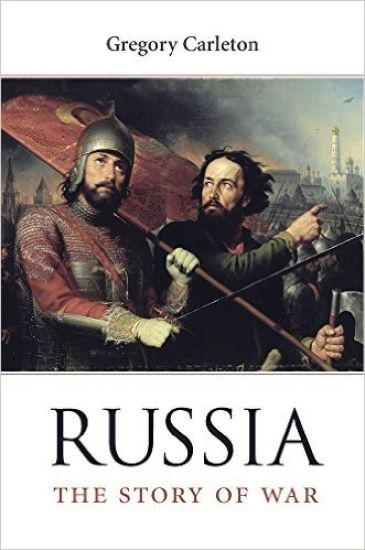
Russia

Russia

Gregory Carleton

The Belknap Press
2017
sidottu
No nation is a stranger to war, but for Russians war is a central part of who they are. Their “motherland” has been the battlefield where some of the largest armies have clashed, the most savage battles have been fought, the highest death tolls paid. Having prevailed over Mongol hordes and vanquished Napoleon and Hitler, many Russians believe no other nation has sacrificed so much for the world. In Russia: The Story of War Gregory Carleton explores how this belief has produced a myth of exceptionalism that pervades Russian culture and politics and has helped forge a national identity rooted in war.While outsiders view Russia as an aggressor, Russians themselves see a country surrounded by enemies, poised in a permanent defensive crouch as it fights one invader after another. Time and again, history has called upon Russia to play the savior—of Europe, of Christianity, of civilization itself—and its victories, especially over the Nazis in World War II, have come at immense cost. In this telling, even defeats lose their sting. Isolation becomes a virtuous destiny and the whole of its bloody history a point of pride.War is the unifying thread of Russia’s national epic, one that transcends its wrenching ideological transformations from the archconservative empire to the radical-totalitarian Soviet Union to the resurgent nationalism of the country today. As Putin’s Russia asserts itself in ever bolder ways, knowing how the story of its war-torn past shapes the present is essential to understanding its self-image and worldview.
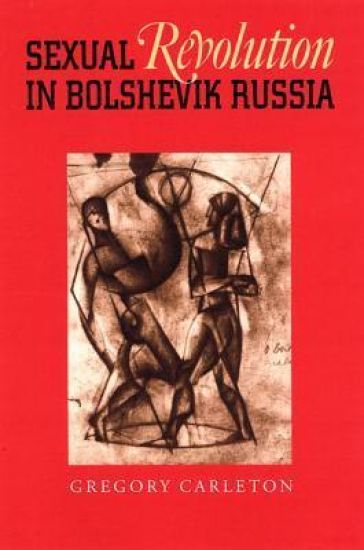
Sexual Revolution in Bolshevik Russia

Sexual Revolution in Bolshevik Russia

Gregory Carleton

University of Pittsburgh Press
2010
nidottu
Gregory Carleton offers a comprehensive literary and cultural history of sex and society in the Soviet Union during the 1920s. The Bolshevik Revolution promised a total transformation of Russian society, down to its most intimate details. But in the years immediately following 1917, it was by no means clear how this would come about. Sex and sexuality became a crucial battleground for debates about the Soviet future, and literature emerged as a primary domain through which sex could be imagined and discussed.Despite optimistic claims that bolshevism would overcome bourgeois depravity, the writings of the 1920s in all genres were awash in sexual adventure, promiscuity, various chauvinisms, date and gang rape, unwanted pregnancy, and sexually transmitted diseases, as well as sex-related alcohol abuse, depression, and suicide. In discussions about sex, party officials contradicted themselves, sociologists grappled with difficult social problems, and writers experimented in fictional form with modern identities and relationships.Drawing on an uncommonly varied body of sources, including novels, journals, diaries, sociological research, public health brochures, surveys, and party documents-many examined here for the first time in English-Carleton reveals the dramatic, bizarre, and intriguing ways the sexual revolution was discussed and represented. Amidst this chaos, he discerns a historical process of codification and reaction, leading ultimately to the quelling of debate in the 1930s through the harsh dictates of Stalinism.Sexual Revolution in Bolshevik Russia challenges Western writers who portray revolutionary Russia as either prudish or hedonistic by reconstructing a fuller picture of what circulated in Bolshevik culture and why. Carleton brings a complex human dimension to the subject, demonstrating that this controversy should not be viewed as a sideshow curiosity, but rather as a central aspect of the dramatic debates on early Soviet literature and culture.
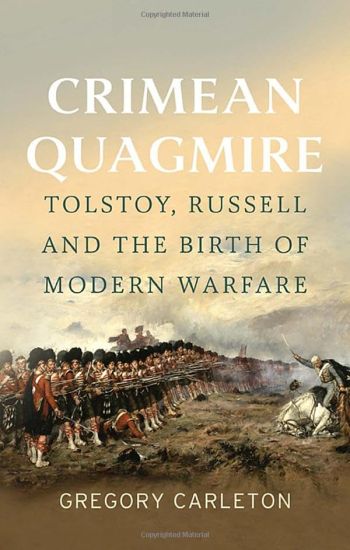
Crimean Quagmire

Crimean Quagmire

Gregory Carleton

C HURST CO PUBLISHERS LTD
2024
sidottu
The Crimean War was the greatest international crisis of the Victorian era, and a modernwar of rifles, railroads and telegraphs. As it raged, two writers embedded in the conflict–the young Russian officer Lev Tolstoy, and William Howard Russell, an Irish correspondent for The Times–brought the horrors of trench warfare home to the public for the first time. Crimea transformed how we understand war. Stripping away the romanticism of the Napoleonic era, Tolstoy and Russell exposed government lies and cover-ups as their nations descended into the first quagmire of the modern age. Their writing shocked readers, revealing that their loved ones were dying needlessly. Between this reporting and soldiers’ own writings, the world was witnessing an unprecedented showdown between the voices of private individuals and their rulers. Tolstoy and Russell paid dearly for their honesty, but their legacy of confronting the powerful endures. Crimean Quagmire is the first book to tell this story in full. With today’s conflicts growing ever more complex, the Crimean War has never been more resonant.