Kirjojen hintavertailu. Mukana 11 342 296 kirjaa ja 12 kauppaa.

Kirjahaku

Etsi kirjoja tekijän nimen, kirjan nimen tai ISBN:n perusteella.

10 kirjaa tekijältä Gregory E. Pence

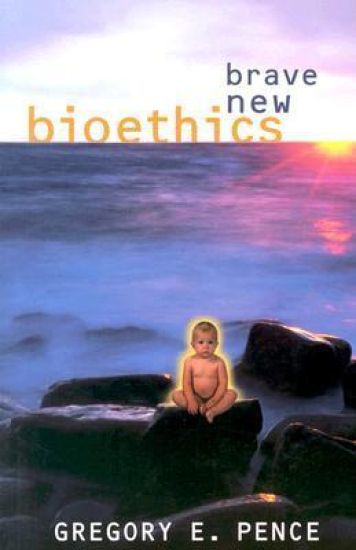
Brave New Bioethics

Brave New Bioethics

Gregory E. Pence

Rowman Littlefield Publishers
2002
pokkari
For nearly 30 years, Gregory E. Pence's name has appeared in the by-lines of headlining newspaper articles in bioethics. Pence, one of America's pioneering bioethicists, has never been afraid to go his own way or stir up a little controversy. Brave New Bioethics gathers 35 of his most influential and groundbreaking op-ed pieces and essays into one broad-ranging volume on issues such as cloning, AIDS, dignified death, and test-tube babies. These distinctive, lively commentaries have graced the pages of such publications as The Wall Street Journal, Newsweek, The New York Times, The Los Angeles Times, and The Philadelphia Inquirer.
Cloning After Dolly

Cloning After Dolly

Gregory E. Pence

Rowman Littlefield Publishers
2004
sidottu
As the #1 topic in bioethics, cloning has made big news since Dolly's announced birth in 1998. In a new book building on his classic Who's Afraid of Human Cloning?, pioneering bioethicist Gregory E. Pence continues to advocate a reasoned view of cloning. Beginning with his surreal experiences as an expert witness before Congressional and California legislative committees, Pence analyzes the astounding recent progress in animal cloning; the coming surprises about human cloning; the links between animal, stem cell, and human cloning; embryo politics; and other hot topics like artificial wombs and transgenic animals. Pence rebuts the growing chorus of naysayers headed by Leon Kass, chairman of the President's Council on Bioethics, who attack the biomedical sciences, and explains why cloning will save endangered species and beloved pets, and help future children and people with degenerative diseases.
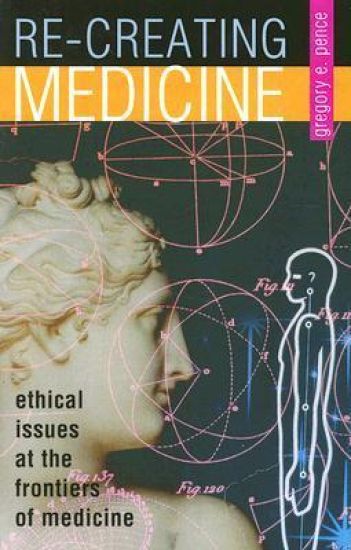
Re-creating Medicine

Re-creating Medicine

Gregory E. Pence

Rowman Littlefield
2007
nidottu
In this important new book Gregory E. Pence looks at issues on the frontiers of medicine including gene therapy to produce 'brave new babies', cloning, human eggs and embryos for sale and experiments on human embryos. Pence argues that the conservatism of the medical establishment, the bioethics community, and the public at large has created shibboleths that impede improvements in our quality of life.
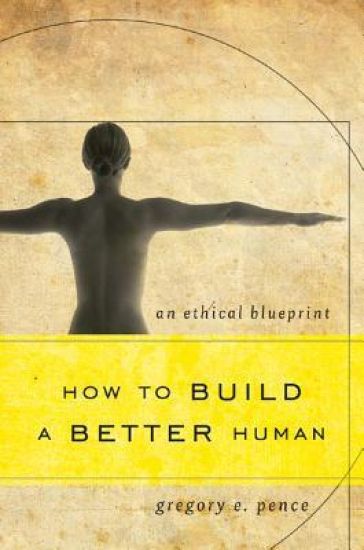
How to Build a Better Human

How to Build a Better Human

Gregory E. Pence

Rowman Littlefield
2012
sidottu
Medicine has recently discovered spectacular tools for human enhancement. Yet to date, it has failed to use them well, in part because of ethical objections. Meanwhile, covert attempts flourish to enhance with steroids, mind-enhancing drugs, and cosmetic surgery—all largely unstudied scientifically. The little success to date has been sporadic and financed privately. In How to Build a Better Human, prominent bioethicist Gregory E. Pence argues that people, if we are careful and ethical, can use genetics, biotechnology, and medicine to improve ourselves, and that we should publicly study what people are doing covertly. Pence believes that we need to transcend the two common frame stories of bioethics: bioconservative alarmism and uncritical enthusiasm, and that bioethics should become part of the solution—not the problem—in making better humans.
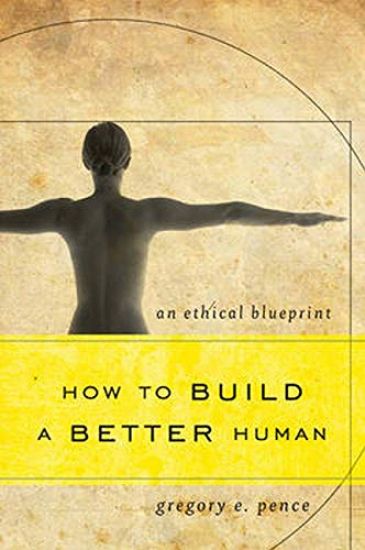
How to Build a Better Human

How to Build a Better Human

Gregory E. Pence

Rowman Littlefield
2015
nidottu
Medicine has recently discovered spectacular tools for human enhancement. Yet to date, it has failed to use them well, in part because of ethical objections. Meanwhile, covert attempts flourish to enhance with steroids, mind-enhancing drugs, and cosmetic surgery—all largely unstudied scientifically. The little success to date has been sporadic and financed privately. In How to Build a Better Human, prominent bioethicist Gregory E. Pence argues that people, if we are careful and ethical, can use genetics, biotechnology, and medicine to improve ourselves, and that we should publicly study what people are doing covertly. Pence believes that we need to transcend the two common frame stories of bioethics: bioconservative alarmism and uncritical enthusiasm, and that bioethics should become part of the solution—not the problem—in making better humans.
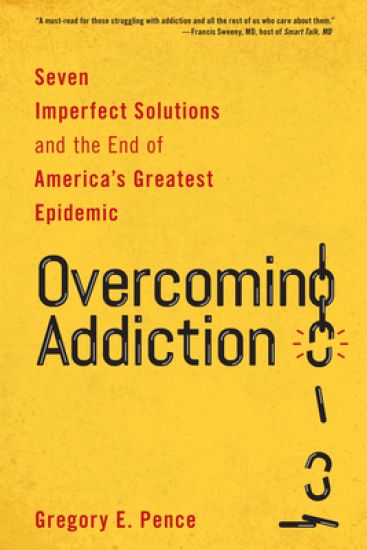
Overcoming Addiction

Overcoming Addiction

Gregory E. Pence

Rowman Littlefield
2020
sidottu
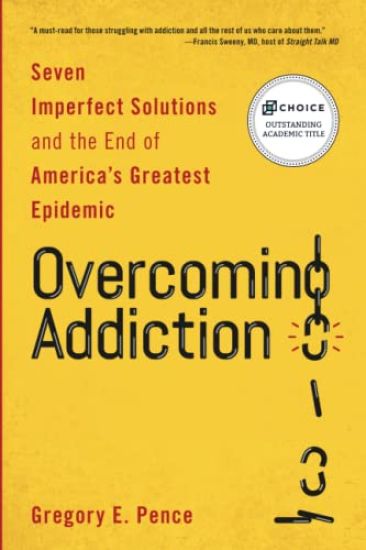
With an estimated 20 million people addicted to drugs or alcohol, America is in the grip of an unrivaled epidemic. Overcoming Addition reveals how seemingly contradictory treatment theories must come together to understand and end dangerous substance abuse. Addiction treatment has become a billion-dollar industry based on innumerable clinical and psychological perspectives. Zealous clinicians and researchers have gathered around the theories, proclaiming each as the sole truth and excluding alternate views. In this book, leading bioethicist Gregory Pence demystifies seven foundational theories of addiction and addiction treatment. From Alcoholics and Narcotics Anonymous to methadone clinics and brain chemistry studies, each method holds foundation beliefs about human nature, free will, and biology. Understanding the diversity of these theories allows us to build a framework for more effective treatment for all addiction types. For individuals suffering from addiction, their families, and those who devote their lives to ending addiction’s grasp on our society, this book offers a fresh perspective and a framework for long-term solutions.
Overcoming Addiction

Overcoming Addiction

Gregory E. Pence

BLOOMSBURY PUBLISHING PLC
2022
nidottu
With an estimated 20 million people addicted to drugs or alcohol, North America is in the grip of an unrivaled epidemic. Overcoming Addiction reveals how seemingly contradictory treatment theories must come together to understand and end dangerous substance abuse.Addiction treatment has become a billion-dollar industry based on innumerable clinical and psychological perspectives. Zealous clinicians and researchers have gathered around the theories, proclaiming each as the sole truth and excluding alternate views. In this book, leading bioethicist Gregory Pence demystifies seven foundational theories of addiction and addiction treatment. From Alcoholics and Narcotics Anonymous to methadone clinics and brain chemistry studies, each method holds foundation beliefs about human nature, free will, and biology. Understanding the diversity of these theories allows us to build a framework for more effective treatment for all addiction types.For individuals suffering from addiction, their families, and those who devote their lives to ending addiction’s grasp on our society, this book offers a fresh perspective and a framework for long-term solutions.
What Went Wrong

What Went Wrong

Gregory E. Pence

ROWMAN LITTLEFIELD
2025
sidottu
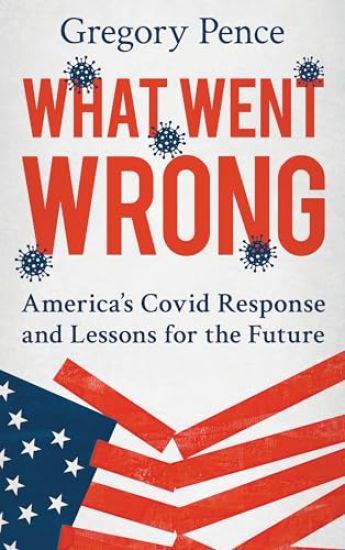
We thought we were a nation ready for any crisis. Covid showed us how much we have yet to learn.America's response to Covid cost too many lives, set our children back in their education, and forever damaged our trust in our government's ability to protect and guide us through crises. Conflicting values and strategies received too little ethical consideration as we blindly followed an overly simplified prime directive to stop infections and save lives. In What Went Wrong, award-winning bioethicist Gregory Pence reveals how the best of intentions resulted in disastrous consequences for our nation. As many as 400,000 non-Covid deaths occurred as a by-product of poor planning and implementation of medical policies. We continue to realize the long-term effects on our nation, including millions of children now being years behind in reading and math. Proportionally, America suffered more deaths during the pandemic than any other developed country.So where do we go from here? Hindsight on the pandemic shows us how important and complex the ethical implications of public health policy are. Unless we learn from America's failures, the next pandemic could be even worse.
Pandemic Bioethics

Pandemic Bioethics

Gregory E. Pence

Broadview Press Ltd
2021
pokkari
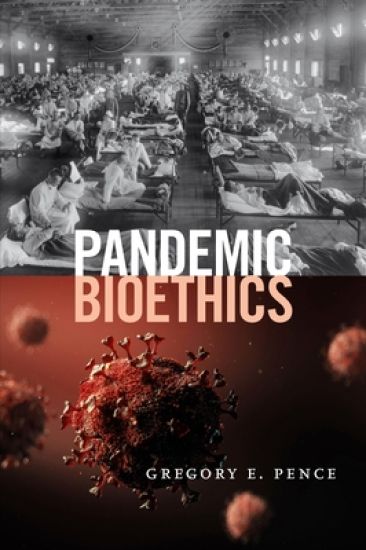
The COVID-19 pandemic has affected every human being on the planet and forced us all to reflect on the bioethical issues it raises. In this timely book, Gregory Pence examines a number of relevant issues, including the fair allocation of scarce medical resources, immunity passports, tradeoffs between protecting senior citizens and allowing children to flourish, discrimination against minorities and the disabled, and the myriad issues raised by vaccines.KEY FEATURESA thorough overview of the many ethical issues connected with the COVID-19 pandemic.Engages with empirical data and the real-world practical problems that bear on pandemic response.Informed by foundational ideas in ethics as well as the latest in bioethics scholarship.Examines COVID-19 in the context of other historical pandemics.A portion of the revenue from this book’s sales will be donated to Doctors Without Borders to assist the humanitarian work of nurses, doctors, and other health care providers in the fight against COVID-19 and beyond.
What We Talk About When We Talk About Clone Club
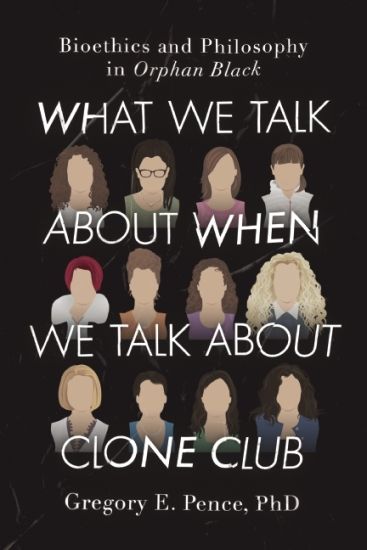
What is the real-world history and science of human cloning, and does Orphan Black get it right? Can you "own" a person--even a cloned one? How can Sarah Manning be straight, Cosima gay, and Tony trans? Cult hit sci-fi show Orphan Black doesn't just entertain--it also raises fascinating questions about human cloning, its ethics, and its impact on personal identity. In What We Talk About When We Talk About Clone Club: Bioethics and Philosophy in Orphan Black, prominent bioethicist Gregory E. Pence violates Clone Club's first rule to take us deeper into the show and its connections to the real world, including: Widespread myths about human clones (and Orphan Black's rejection of them) Our ugly history of eugenics The ethics of human experimentation, by way of Projects Castor and Leda What we can learn about clones and identity from twin studies and tensions among Orphan Black's clone "sisters" Kendall Malone and other genetic anomalies The brave new world of genetic enhancement and clonal dynasties, and how Helena and Kira Manning fit in In the process, What We Talk About When We Talk About Clone Club reveals why Orphan Black is some of today's most engaging and thought-provoking television.