Kirjojen hintavertailu. Mukana 11 342 296 kirjaa ja 12 kauppaa.

Kirjahaku

Etsi kirjoja tekijän nimen, kirjan nimen tai ISBN:n perusteella.

2 kirjaa tekijältä Gregory Wood

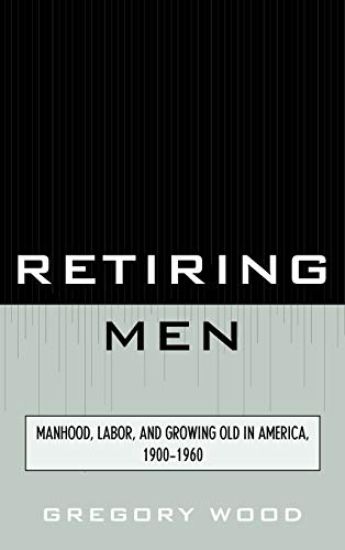
Retiring Men

Retiring Men

Gregory Wood

University Press of America
2012
sidottu
As life spans expanded dramatically in the United States after 1900, and employers increasingly demanded the speed and stamina of youth in the workplace, men struggled to sustain identities as workers, breadwinners, and patriarchs—the core ideals of twentieth-century masculinity. Longer life threatened manhood as men confronted age discrimination at work, mandatory retirement, and fixed incomes as recipients of Social Security and workplace pensions. They struggled to somehow sustain manliness in retirement, a new phase of life supposedly defined by the absence of labor. Ironically, retiring men pursued ways to stay “productive”: retirees created new daily routines of golf and shuffleboard games, tinkered with tools in garages, attended social club meetings, armed themselves for hunting and fishing excursions, and threw themselves into yard work. Others looked for new jobs or business ventures. Only unending activity could help to ensure that the “golden years” would be good years for older men of the twentieth century.
Clearing the Air

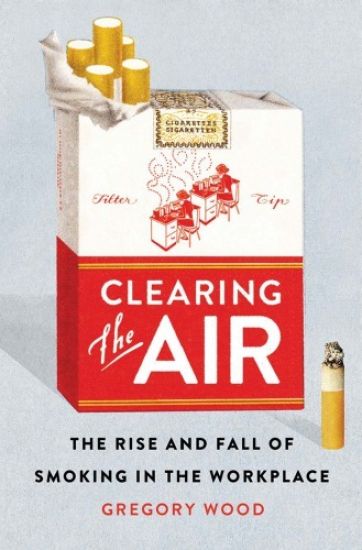
Clearing the Air

Gregory Wood

Cornell University Press
2016
sidottu
In Clearing the Air, Gregory Wood examines smoking's importance to the social and cultural history of working people in the twentieth-century United States. Now that most workplaces in the United States are smoke-free, it may be difficult to imagine the influence that nicotine addiction once had on the politics of worker resistance, workplace management, occupational health, vice, moral reform, grassroots activism, and the labor movement. The experiences, social relations, demands, and disputes that accompanied smoking in the workplace in turn shaped the histories of antismoking politics and tobacco control. The steady expansion of cigarette smoking among men, women, and children during the first half of the twentieth century brought working people into sustained conflict with managers' demands for diligent attention to labor processes and work rules. Addiction to nicotine led smokers to resist and challenge policies that coldly stood between them and the cigarettes they craved. Wood argues that workers' varying abilities to smoke on the job stemmed from the success or failure of sustained opposition to employer policies that restricted or banned smoking. During World War II, workers in defense industries, for example, struck against workplace smoking bans. By the 1970s, opponents of smoking in workplaces began to organize, and changing medical knowledge and dwindling union power contributed further to the downfall of workplace smoking. The demise of the ability to smoke on the job over the past four decades serves as an important indicator of how the power of workers' influence in labor-management relations has dwindled over the same period.