Kirjahaku
Etsi kirjoja tekijän nimen, kirjan nimen tai ISBN:n perusteella.
18 kirjaa tekijältä Gunivortus Goos

In this book, the Franks play the central role, specifically, during the time in which they were pagans. Their name appeared as early as the 3rd century, as Germanic marauding bands from the Lower Rhine who raided Gaul, and precisely there the timeframe of the book begins and, with a few digressions, ends with the baptism of the Frankish king Clovis. The books leads step-by-step through the time, from the first Frankish warlords with their bands greedy for booty in the partially unprotected and wealthy Gaul, where the people lived in relative peace and prosperity, up to the first great kingdom under the Merovingian king Clovis. Except for the part with the sources at the end and the preface, this book contains 17 narrative chapters, and each of them is centered around a specific theme. The titles of the chapters point clearly to their contents, such as "Sketching the Last Centuries of the (Western) Roman Empire", "Early Mentions of the Franks", "Paganism, Cults and Deities", "Society and Culture", "The Migration Period", etc. The text is elucidated by 36 supporting maps and many illustrations.



Illustriertes Lexikon der germanischen Gottheiten
Gunivortus Goos
BoD - Books on Demand
2020
nidottu

Illustriertes Lexikon der germanischen Gottheiten
Gunivortus Goos
BoD - Books on Demand
2020
sidottu

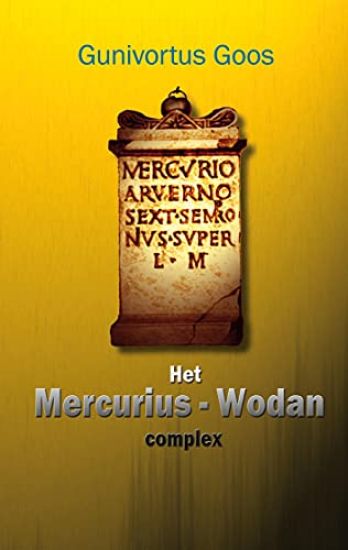




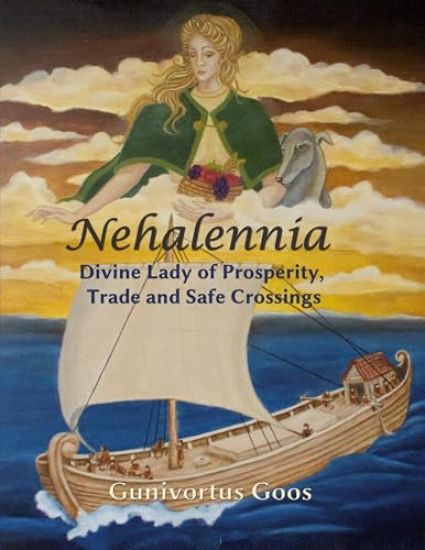
The desire for prosperity and protection from the destructive forces of nature is of all times. Some two thousand years ago, on the North Sea coast in the south of what is now the Netherlands, a Goddess was worshiped who was held responsible for both of these desires. Nehalennia, or She, who lives on the coast, had her temples there, in which people of Germanic, Celtic and Roman origin promised to grant her an offering, if under her protection they had returned safely from the dangerous crossing to England, and, in most cases, had also done good business. A rich treasure trove of votive stones engraved with the donors' thanks to Nehalennia demonstrate this abundantly. This book shows and describes many of those altar stones and paints a picture of the practice in this frontier area of the Roman Empire.