Kirjojen hintavertailu. Mukana 11 717 486 kirjaa ja 12 kauppaa.

Kirjahaku

Etsi kirjoja tekijän nimen, kirjan nimen tai ISBN:n perusteella.

6 kirjaa tekijältä Gwynne Edwards

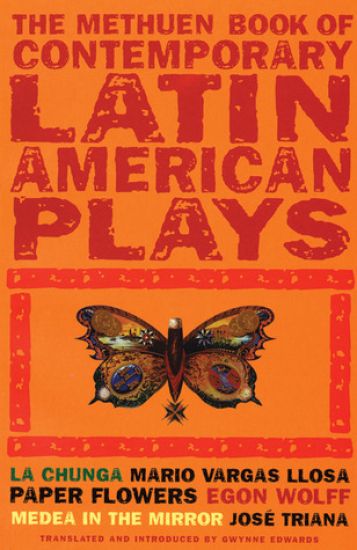
Book Of Latin American Plays

Book Of Latin American Plays

Gwynne Edwards

Methuen Drama
2004
nidottu
A collection of extraordinary, playable translations from across the Latin American continent, including a new Mario Vargas Llosa play In La Chunga by Mario Vargas Llosa a young gambler down on his luck lends his girlfriend to the lady bar-keeper for the night to pay off a debt. Four years later the girl has neither been seen nor heard of, and the gamblers meet to speculate on the events of that fateful night. In Paper Flowers by Egon Wolff, Eva, a lonely middle class woman puts up a tramp for the night out of the kindness of her heart, only to find that he intends to occupy her life as well as her house, reducing her once and for all to his state. Medea in the Mirror by Jose Triana is an extraordinary re-setting of the Medea story in the Cuban revolution of 1959. As Maria, a young mulatto takes her revenge on Julian for abandoning her for someone else - the play becomes a mirror for the events that took place when Castro ousted the Batista regime.

The Discreet Art of Luis Bunuel

The Discreet Art of Luis Bunuel

Gwynne Edwards

Marion Boyars Publishers Ltd
2000
pokkari
Luis Brunel was one of the most startingly and controversal directors of world cinema. This study closely examines the major films right from the brilliant and scandalous "Un Chien Andalou" through the mature but equally damning late films like "The Discreet Charm of the Bourgeoisie" and his last film "That Obscure Object of Desire." Edwards places the films in context and documents their origin and recurring themes.
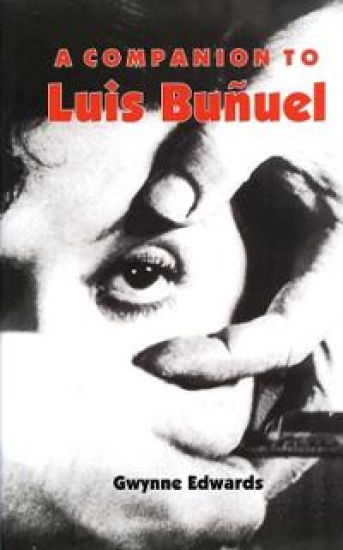
A Companion to Luis Buñuel

A Companion to Luis Buñuel

Gwynne Edwards

Tamesis Books
2010
pokkari
Luis Buñuel was one of the great film-makers of the twentieth century. Gwynne Edwards analyses his work in the context of Buñuel's personal obsessions - sex, bourgeois values and religion. Luis Buñuel (1900-1983) was one of the truly great film-makers of the twentieth century. Shaped by a repressive Jesuit education and a bourgeois family background, he reacted against both, escaped to Paris, and was soon embraced by André Breton's official surrealist group. His early films are his most aggressive and shocking, the slicing of the eyeball in Un Chien andalou (1929) one of the most memorable episodes in the history of cinema. The Forgotten Ones (1950) and He (1952), made in Mexico, were followed, from 1960, in Spain and France, by the films for which he is best known: Viridiana (1961), Belle de jour (1966), Tristana (1970), The Discreet Charm of the Bourgeoisie (1972), and That Obscure Object of Desire (1977). Gwynne Edwards analyses the films in the context of Buñuel's personal obsessions - sex, bourgeois values, and religion - suggesting that the film-maker experienced a degree of sexual inhibition surprising in a surrealist. GWYNNE EDWARDS is Professor of Spanish at the University of Wales, Aberystwyth.